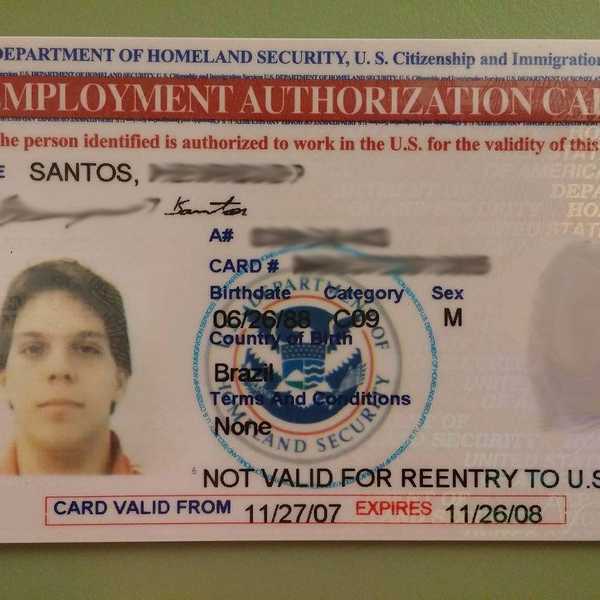
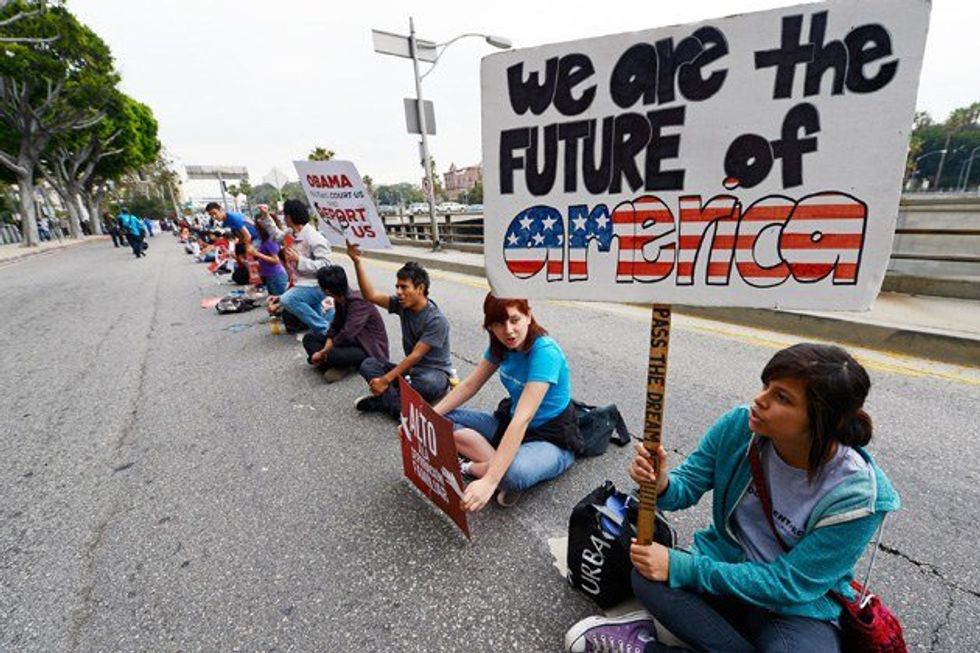
Our human experience may be characterized by a chain of mixed positive and negative circumstances relative to a particular socioeconomic condition. In different regions of this world we can observe a total loss of confidence in republics such as El Salvador, Somalia, Afghanistan, Syria, Sudan, The Democratic Republic of Congo, and other countries in the global south. These governments are infested by the presence of discouraging infant mortality rates, dangerously increasing crime rates, and inundated by the overwhelming incompetency of legislative bodies. For purposes of being concise, we will attempt to expand on the conversation of Immigration in The United States.
There has been massive attention towards the immigrant question recently, due in part mostly to the beginning stages of presidential campaigns. Consequently, traditionalists and moderates engendered the conversation on the dilemma of undocumented immigrants and immigration policy. Much of the polarization in regards to immigration is the assumption that undocumented immigrants have a negative fiscal impact and a negative labor market effect. This assumption rests on the premises that an increase in unemployment among U.S citizens is due to the influx of migrants attaining employment and that these same migrants benefit of publicly funded Federal Government programs.
As per the belief that undocumented immigrants negatively affect employment, there has been no evidence that suggests low skilled immigrants have a negative impact in the labor market. On the contrary, the presence of low-skilled immigrants has created a demand for household jobs in cities. Take for example agribusiness, where about 40% of the labor is performed by non-citizens. In the South West region of the United States, places like California demand more laborers to perform farm work. In particular, they demand about 1,700 positions and promulgate them to an audience of U.S citizens and residents. However, the recruit rate of legal documented Americans is next to zero. There is an overwhelmingly abundance of farm positions, but why are they not being occupied? 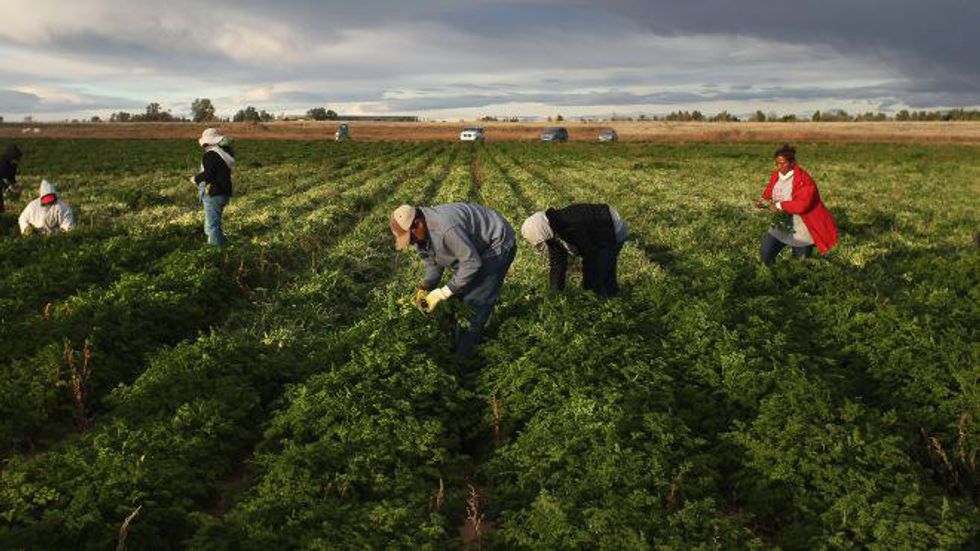
Next, we observe the premise that undocumented immigrants have a negative fiscal impact by benefiting of public Federal Government programs which are funded by taxpayer funds. This belief is misconstrued because unauthorized illegal immigrants are ineligible for almost all government programs. In fact, the fiscal impact of undocumented immigrants is much less than that of low-skilled U.S citizens who benefit of public programs.
There is unanimous agreement between economists and policy makers that we need immigration reform. An immigration reform that is “employment-based” immigration. We as a country need not grow skeptical of migrants as it is the essence of our beginnings, it is our nature to inquire and travel. There is growing hesitancy for immigration in our history, from the 1882 Chinese Exclusion Act to now-declared-unconstitutional Arizona law that permits racial profiling. We may also learn that immigration is not only a problem in this western hemisphere of Earth, but a growing crisis in Europe where citizens of Syria and Iraq are desperately fleeing from countries deteriorating from the inside out. We may learn from Germany, as they welcome hundreds of undocumented migrants into Munich in order to fulfill our nature. We owe it to our species to welcome migrants with compassion and love, to provide them with welfare and education, to provide them with access to our multifaceted resources, to remedy their distrust for government, and to establish a society where race or ethnicity is not a barrier but a characteristic of a successful global economy.