



I only realized halfway through this semester that my dorm desk was to blame. By habit I really like my smooth-wooden surface to have stacks of memorabilia, self-help notes, gifts, poem publications, unorganized readings from last week, and just barely an 8.5x11 space, enough to plant my homework. There at night I would try to plow through my readings as quickly as possible before my roommate came in. Again and again when he did, a similar challenge arose: I had to be a human, listening and responding to my male-identifying extroverted roommate process his day, while also sensing the clock tick. When would I finish my work? I found that I constantly was not present, not due to unwillingness or even space to think, but posture; my desk sat in the corner of the room and only gave me 10% of it to view. I was selling myself so short. It would be better to face him while working than turn my back to him.

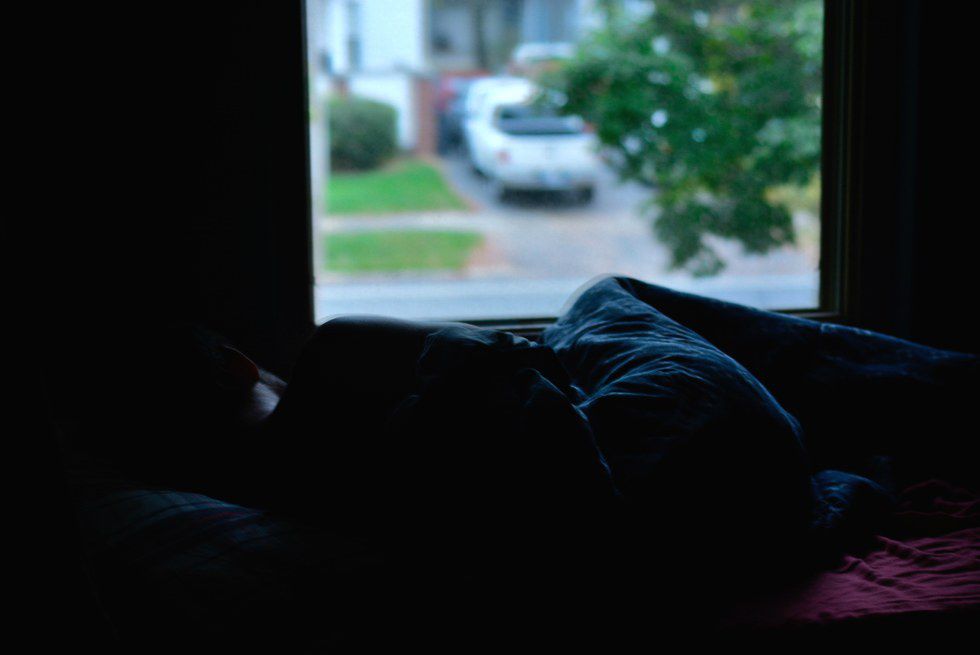
Often times even the most dynamic-thinking people enter into some sort of paralysis like this. You find yourself in the same unproductive conversation, the same small conflict, the same ill-prepared meeting. While you’re stuck, your behaviour may result in you feeling guilt, insecurity, or directionlessness. I felt all three as my ability to have that much more of a healthier relationship with my caring roommate in the most private setting we shared on campus was impeded. (The feeling of paralysis leaves you hanging.)
This paralysis mentioned above is mental, psychological, and emotional, referring to similar phenomena in the economy or certain health conditions. According to Elizabeth Halper Ph. D, one of the processes for amending one’s stagnant behaviour is Behaviour Modification. The system was developed by B. F. Skinner (1904-1990), the “father of Behaviorism” which goes against psychoanalysis. Skinner contributed behaviours to environmental stimuli, not Sigmund Freud’s and other psychoanalysts’ notions of certain internal stimuli causing unconscious actions. Thus its techniques use both negative and positive punishments and rewards to reinforce change of behaviours. Common examples involve offering treats to obedient children or removing rewards from the disobedient.
But when we want to improve in the first-person, we have to be far more vigilant. The symptoms of paralysis are allusive; they’re most evident in between major storms and events in life. While doing an administrative position in my dining space last fall semester, friends brought before me small concerns that became small tasks for me. I cared about my friends, the value of their requests, and our dining community as a whole, but my willingness was again restrained by my packed schedule. My failure to do whichever tasks were leftover never amounted to a full-blown scuffle or fallout, but there was often still palpable tension in the air. When someone would tap me gently to remind me, again I felt overwhelmed, and only very hesitantly promised to do it within some definite time (“soon”). Yes I was busy and had other obligations. Most of us as students do. But I took the very position because I looked forward to pushing myself and caring for my community, not being “that guy”. And I look forward to leading my community, not just feeding my consumer appetite for more wisdom and skills while staying out of trouble. I want to dismantle systems and bring about just and righteous ones. I don’t want my dreams to lack strategy, like my talent, the thing that makes me different, left lying under a field.
Like the characters of James Joyce’s Dubliners, however, we are not simply left with a feeling of paralysis because of our own choices. As opposed to the suggestions in behaviour modification theory, we can’t just promise ourselves a carrot or threaten ourselves with less dessert when we don’t make the choices we want. Our behaviours aren’t only shaped by our personal choices and restraints. Just like the dubliner characters who were restricted in thought, economy, and politics by Great Britain, we are restricted by our personalities, identities, difficult circumstances, and authorities. As a college student at elite-level Oberlin, by expectations to be productive and on-top-of-it. For others by depression, anxiety, trauma. By difficult families or upbringings. By social anxiety from comparison. By systematic, institutionalized oppression that supports my appearance as a male, while caging others’ progress in their identities as queer, POC, disabled, femme, alternative, quiet.
Though the degrees of stuckness that result from our own weak behaviours are amplified by the restrictions of society at large, we have the chance to fight them when we can name them. Paralysis sits itself uncomfortably in our lives, at the table, and in our moments of silent, groaning stress. Like weeds in a garden, keep paralysis festering in your life and your garden will certainly look green, not barren, but your intended crop won’t grow. So pull them out. To get you thinking, I’ve assembled an overarching strategy to be transformation-minded.
- Pinpoint what holds you back. Remember,my paralysis wasn’t the actual position of my desk, it was not budgeting time to clean and rearrange my room. Paralysis is also not our unique quirks or habits. Those are extremely vital and often attract haters (#byegirl). No, paralysis strains your relationship to yourself and community, and causes more undesirable behaviour. Escaping your phone instead of pushing yourself to be present. Overthinking instead of taking a risk during a conversation. Isolating yourself when you have feels instead of reaching out to friends who care.
- Don’t downgrade its negative repercussions. You named the demon so now count its horns. List as many of the hurts or tensions it causes which you can remember. Don’t despair though. Dream about how positive those experiences would have been had you felt equipped to actively defeat your paralyses.
- List positive habits you want to see bloom in yourself. Now dream more! How you want to check your phone during bathroom stops to be more present at the table. How you want to smile before looking away from the homeless by the street side. Hot to budget your money for things that you care about instead of having it all slowly disappear time and again.
- (Team introvert especially) Reach out to someone close for some honest feedback to sort your thoughts. You’ll trust a close one and they’ll know your habits, barriers, and places of paralysis. You need their advice and affirmation. Trust your community. Also read up on any helpful material. Ancestors and prophets have something to teach us too.
This is a call to immobilize our weakest muscles, dig deep and find the habits and talents we never used. In the process you may, like me and my roomie, find a better way to love those closest to you. Some of us will always have lots on our plate and lots of the world that will oppose our growth. So let this be a call for recommitment to our own community & values.

Photography: Aaron Henry, Carpe Pulchram Photography
Halper, Elizabeth, Ph. D. "What Is Behavior Modification?"LIVESTRONG.COM. LIVESTRONG.COM, 04 May 2015. Web. 07 June 2016.
















