
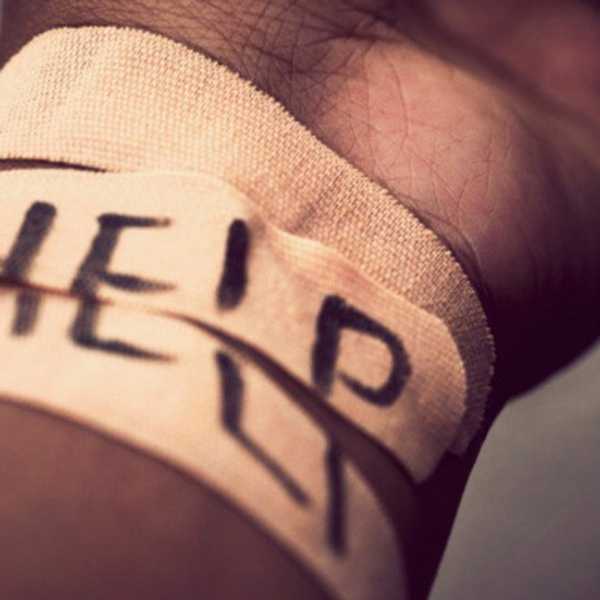
Dried blood remains on the razor blade tucked between her mattress and spring box while the skin struggles to heal under the stress of bracelets piled on her wrist. His shorts hide intentional burn marks and his folded up Swiss Army knife keeps a secret in his pocket. She blames herself for the tension and distress in her home, punishing herself with the pain. He reroutes his emotional turmoil of being bullied for a lack of athleticism with a searing utility tool. They silently struggle with self harm along with the other 20 percent of high school students who admit to it.
“It is not the same as being suicidal, nor is it manipulative or attention-getting behavior,” Psychologist Cynthia Rodriguez PhD said. “Instead, it is a form of coping with psychological distress in the same manner that people use other unhealthy ways to cope: overeating, drinking alcohol, smoking cigarettes or marijuana, or developing an eating disorder.”
Self-harm is classified as a kind of mental health disorder; however, some psychologists may refer to it as a habit, a learnable behavior. Those who commit self-harm inflict immediate damage to themselves such as cutting, burning or scratching without intending to die. In most cases it is done to cope with confusing or overwhelming emotions, numb oneself or the opposite, feel something in place of emptiness or detachment. The problem can range from mild and occasional to very severe, frequent and even chronic.
“Unfortunately, the sense of relief is only temporary, problems are not solved, and the use of self-injury as a coping strategy can be addictive,” Rodriguez said.
Experts believe that most mental health problems, including self harm, have multiple causes possibly even including a genetic predisposition. With school being such a major part in adolescent life it is also a source of stress and pressure. Many high schoolers report feeling fatigued, anxious, stressed and ‘not good enough.’ These feelings, in conjunction with individual life experiences and family history increase student’s susceptibility to developing self harming tendencies.
Adolescent psychologist Gloria Taggett, Ph.D warn that physical heath is also a factor in mental health.
“It is crucial to get adequate sleep, to eat well and become more physically active,” Taggett said. “Having said that, stay away from mood altering chemicals --that's a short-cut that will only make it harder to find more adaptive ways of managing your moods and habits.”
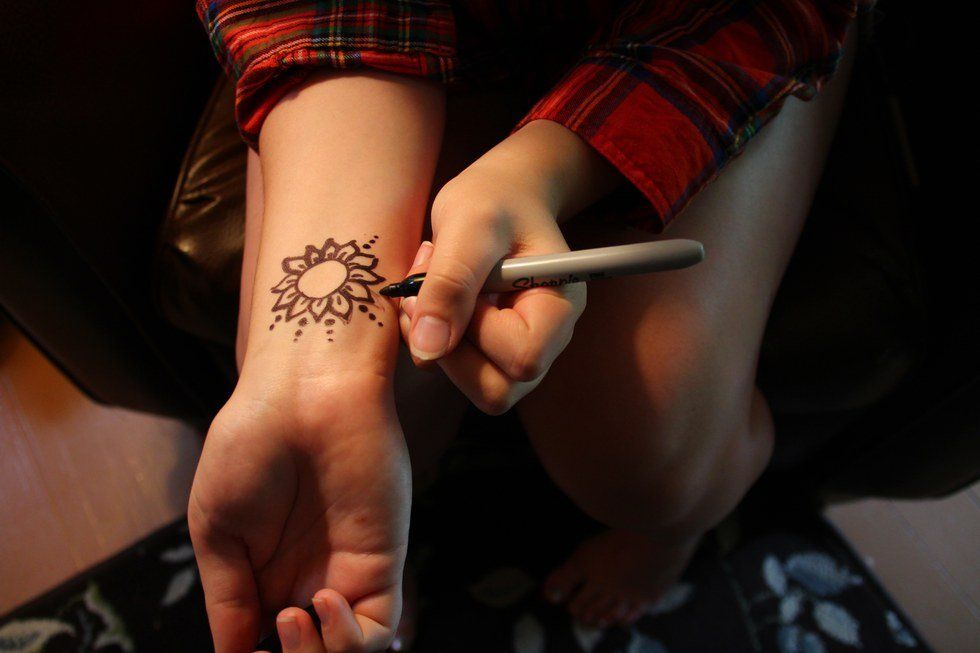
When you were younger your parents probably told you not to draw on yourself with pen for some odd reason when you were playing ZAP or reminding yourself to do your homework. But for some teenagers, they disregarded the bizarre poisoning threat and found a coping mechanism through the ink. They reroute their intentions and replace a blade with a pen, making something beautiful and intricate instead of painful and destructive.
One of the best thing you can do for yourself when dealing with self-harm, or just thoughts of it, is to find something to replace the habit or intentions such as drawing, sewing, photography or performing arts. Anything that allows you to channel emotions into something that can not harm you. For some it may be engrossing yourself in novel writing, drawing on your wrist or thighs instead of cutting or scratching at them or joining a dance team. Along with the therapy comes developing a support system of those who care about you or providing services to others that need help.
“It is always helpful to find someone you can help, be of service, support a cause, volunteer,” Taggett said.”Everyone has pain and everyone suffers. You're not alone.”