
American teenagers today are more than familiar with the concept of freedom of speech. They learn about it in school, see it in action everyday on the Internet, and employ it themselves on social media regularly. It has become incredibly easy to express ourselves and take part in sociopolitical conversations with family, peers, and complete strangers alike. However, voices on the web are plenty and no matter how politically-charged your argument, it is extremely difficult to stand out amongst the excessive chatter that floods social media platforms.
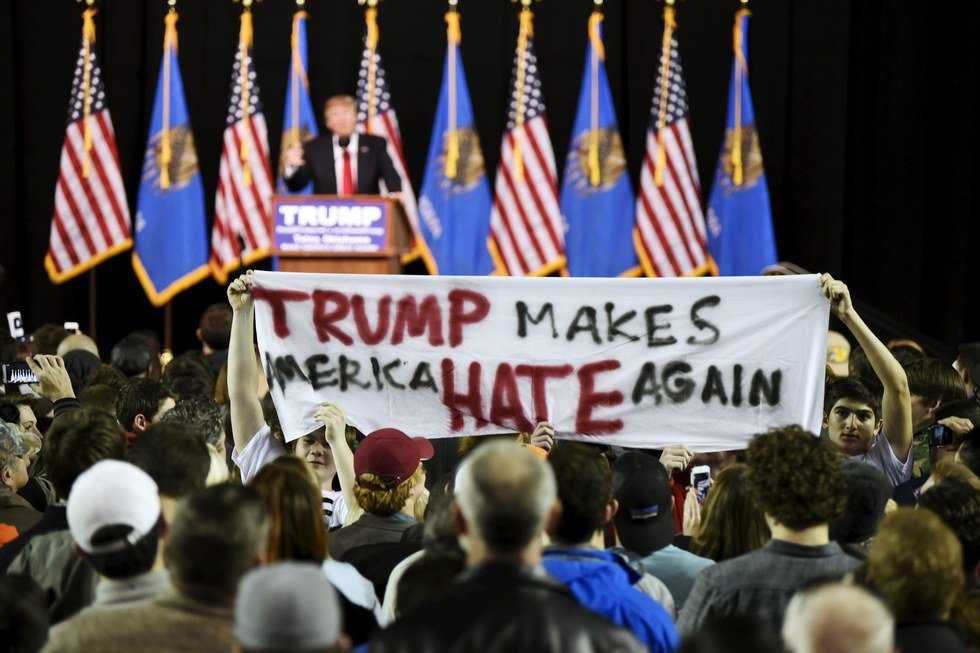
Rarer are the riskier forms of political activism. To strongly word a Facebook post or tweet is one thing, but to physically stand up for what you believe in is something completely different. Tulsa, Oklahoma high school students made a brave choice when they decided to sit in on Donald Trump's rally in their hometown on January 20th. Over a dozen students from both public and private schools in the area nervously took to the center pit that afternoon, after cutting class to attend the rally. Stashed in one of their shoes was a sheet reading" Trump makes America hate again," a play on Trump's slogan that has been popular among his adversaries. Together, the students hoisted their banner, creeping it into the shots of cameras documenting the event. Shortly after, Trump asked that they be escorted out of the Oral Roberts University Mabee Center, but not before their message had reached nearly everyone in the arena and, more importantly, the media.
Local newspapers and broadcasts covered the rally along with its opponents' protests in the hours following the event, expanding the message's reach and sparking conversation both on the web and within the community. Some of the students involved reported being grounded for missing school that day, but not for speaking their minds. Others expressed their fear leading up to the unveiling of their sign and were surprised that they were merely thrown out of the event center as opposed to being physically assaulted by Trump supporters. These kinds of anxieties limit our actions and keep our mouths shut. We are often concerned about the negative consequences rather than the difference we can make. Trump's ample hatred for several minority groups (including, but not limited to, immigrants, Muslims, and homosexuals) only perpetuates these fears, keeping Americans behind their keyboards, where it is safe, but also difficult to make a strong impression.
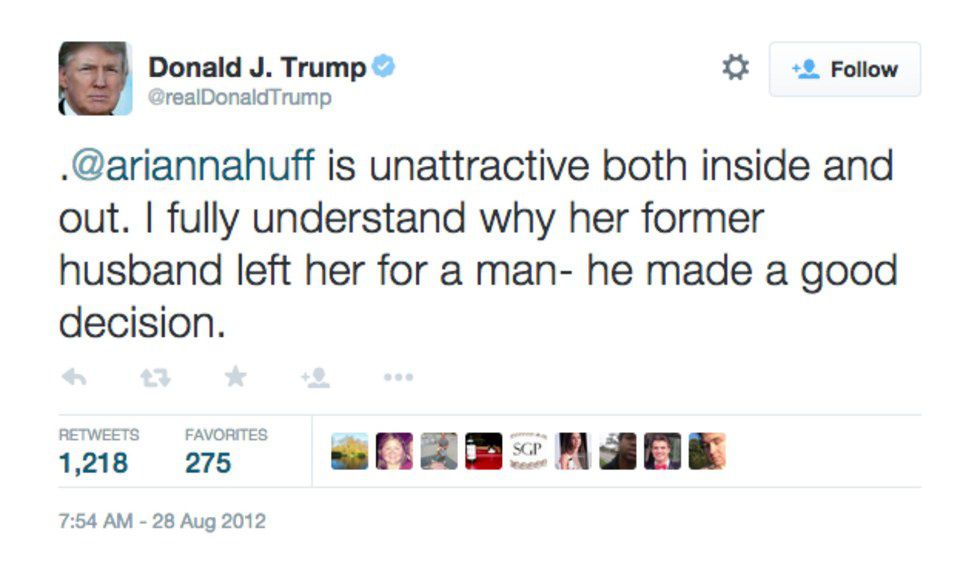 If there is anything to take from this incident, it is this: Our voices are our own to express what we believe is right. As Americans, we have more power than the majorit of the human race when it comes to standing up against bigotry, prejudice, and all that is unjust. Trump has a voice louder than most of ours, thanks to a great amount of money and fame. Thankfully, though, the country is full of individuals who recognize that "Trump making America great again," is only a cheap slogan disguising a sexist, racist, reality show host as a respectable politician.
Thank you, Tulsa high schoolers.