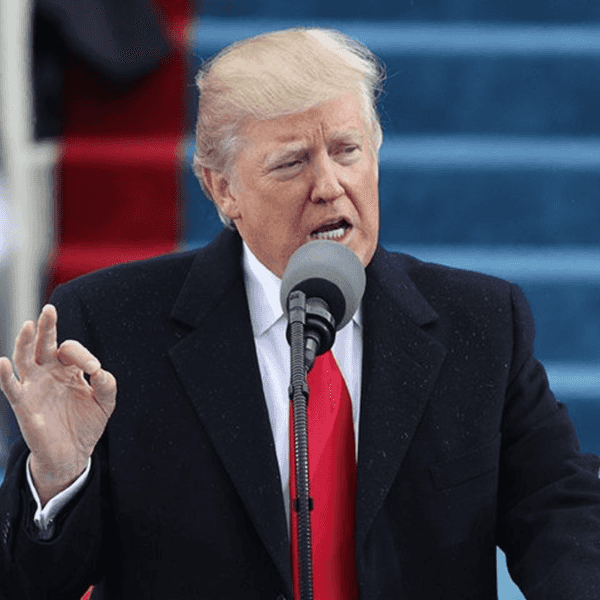
We’ve all heard the hot air billow from the new President-Elect like carbon dioxide out of a coal fuel powered plant. Unfortunately, neither seem to be ceasing any time in the near future.
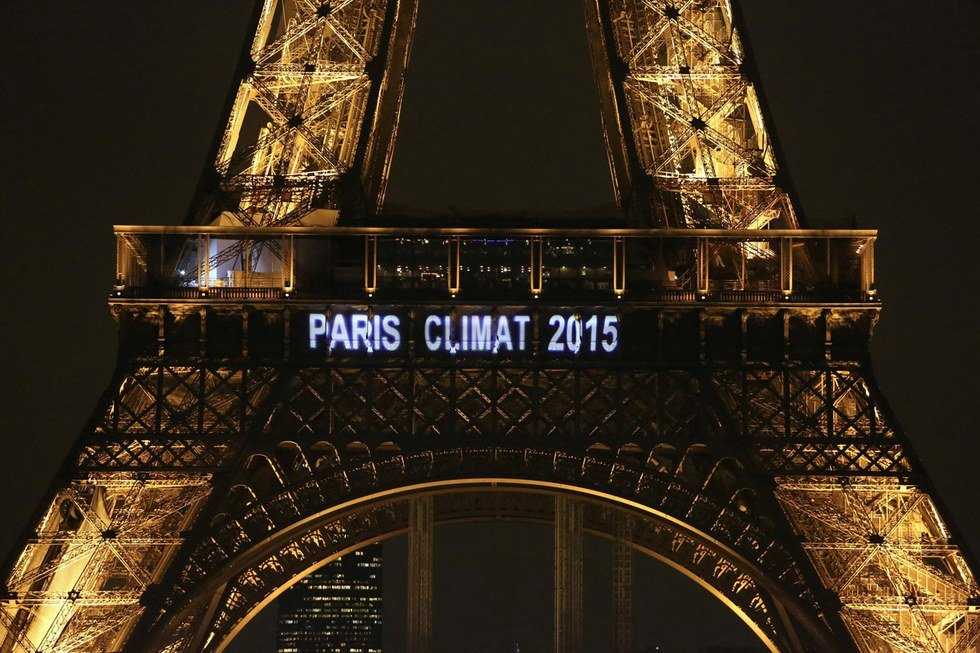
The premise of the Paris Agreement, or Cop21, stands on the scientific research that climate change is a thing, and that its anthropogenically driven. Actually, 97% of all climate scientists that have a say in the matter believe climate change is anthropogenically driven. But as we all know, a certain Republican President-Elect refuses to accept scientific data and what it means for the general population of the Earth. Because obviously he knows everything.
President Obama was one of the first major world leaders to sign the Paris Agreement and at an executive order at that. Cop21 commits world leaders to making efforts in stopping global temperatures from climbing past a 1.5 degrees Celsius increase by 2025, specifically curbing carbon emissions.
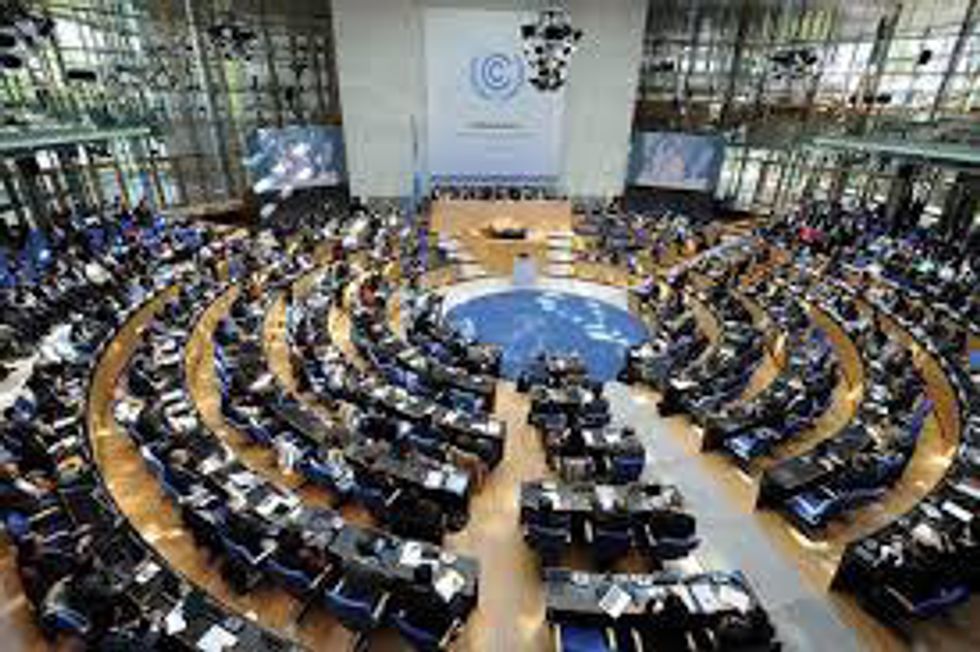
“Under the agreement, all governments that have ratified the accord, which includes the US, China, India and the EU, now carry an obligation to hold global warming to no more than 2C above pre-industrial levels.”
As of now, reaching the goal by 2025 is a stretch. And that’s even if America keeps the Clean Power Plan in play (which is unlikely). So, following what the scientists affectionately refer to as business as usual, the world is going to reach a 5 degree temperature increase by 2025 as compared to pre-industrial revolution temperatures, causing an unquantifiable amount of damage to not only global lands and oceans, but personal property, as well.
This can’t be the first agreement of this type can it, you may ask? You'd be correct.
The Kyoto Protocol is an international agreement linked to the United Nations Framework Convention on Climate Change, which commits its parties by setting internationally binding emission reduction targets. Recognizing that developed countries are principally responsible for the current high levels of Greenhouse gas emissions in the atmosphere as a result of more than 150 years of industrial activity, the Protocol places a heavier burden on developed nations under the principle of common but differentiated responsibilities. The protocol puts the obligation to reduce current emissions on developed countries on the basis that they are historically responsible for the current levels of greenhouse gases in the atmosphere.
The UNFCCC (United Nations Framework Convention on Climate Change) implemented the objective that GHG emissions needed to be reduced to "a level that would prevent dangerous anthropogenic interference with the climate system," which is just super specific and helpful.
The protocol ended in 2014 with little support and little accomplished. But for UNFCCC climate change round two, the outlook of significant change looked promising.
The Paris agreement aims to strengthen the ability of countries to deal with the impacts of climate change. To reach these ambitious goals, appropriate financial flows, a new technology framework and an enhanced capacity building framework will be put in place, thus supporting action by developing countries and the most vulnerable countries, in line with their own national objectives.
On October 5, 2016 the votes needed to make the agreement a reality were met as 117 of 197 parties signed the dotted line, including major polluters such as India, China and the United States. Unsurprisingly, the United States has the highest emissions rate based on population in the world coming in at 16.5 per capita (that's even higher than China, who has 7.6 emission per capita).
But, alas, the future of the U.S. as well as our fragile climate seem to lie in the tiny hands of a man that does not believe in climate change.
The Paris Agreement leaves how nations cut emissions up to them. While it is unlikely Trump will formally pull out of the agreement, he can choose not to enforce anything it stands for.
Trump has referred to climate change as a hoax and, of course, blames it on China. As according to BBC News, Trump states that “the climate change deal is 'bad for US business' and said the pact allows 'foreign bureaucrats control over how much energy we use." As a true Republican, he vehemently believes that the economy is more fragile and more important than the level of toxins in our atmosphere.
Along with other environmental advocates, Tom Steyer, a billionaire environmental activist says, “Trump's energy policies would accelerate climate change, protect corporate polluters who profit from poisoning our air and water, and block the transition to clean energy that is necessary to strengthen our economy and protect our climate and health."
Which clearly is just what the environment needs.