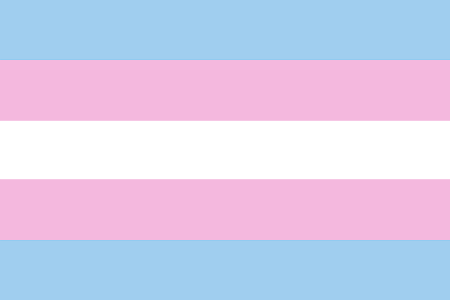
For years, November has been Trans Awareness Month, and yet transgender people have gone unrecognized by the general public. They have not only suffered an unspeakable number of abuses, but they rarely get the attention they deserve from the media—In 2015 this is beginning to change.
Caitlyn Jenner came out as a transgender woman and dominated social media with her Vanity Fair Cover and clips from her discussion with the Kardashian and Jenner sisters about her transition.
Waves of approval and support spewed out from Facebook and Twitter users, including many celebrities. Kim Kardashian tweeted to her 36 million followers, “How beautiful! Be happy, be proud, live life YOUR way.”
There is no doubt that Caitlyn Jenner coming out raised awareness that trans people exist and perhaps raised levels of acceptance— but was it enough?
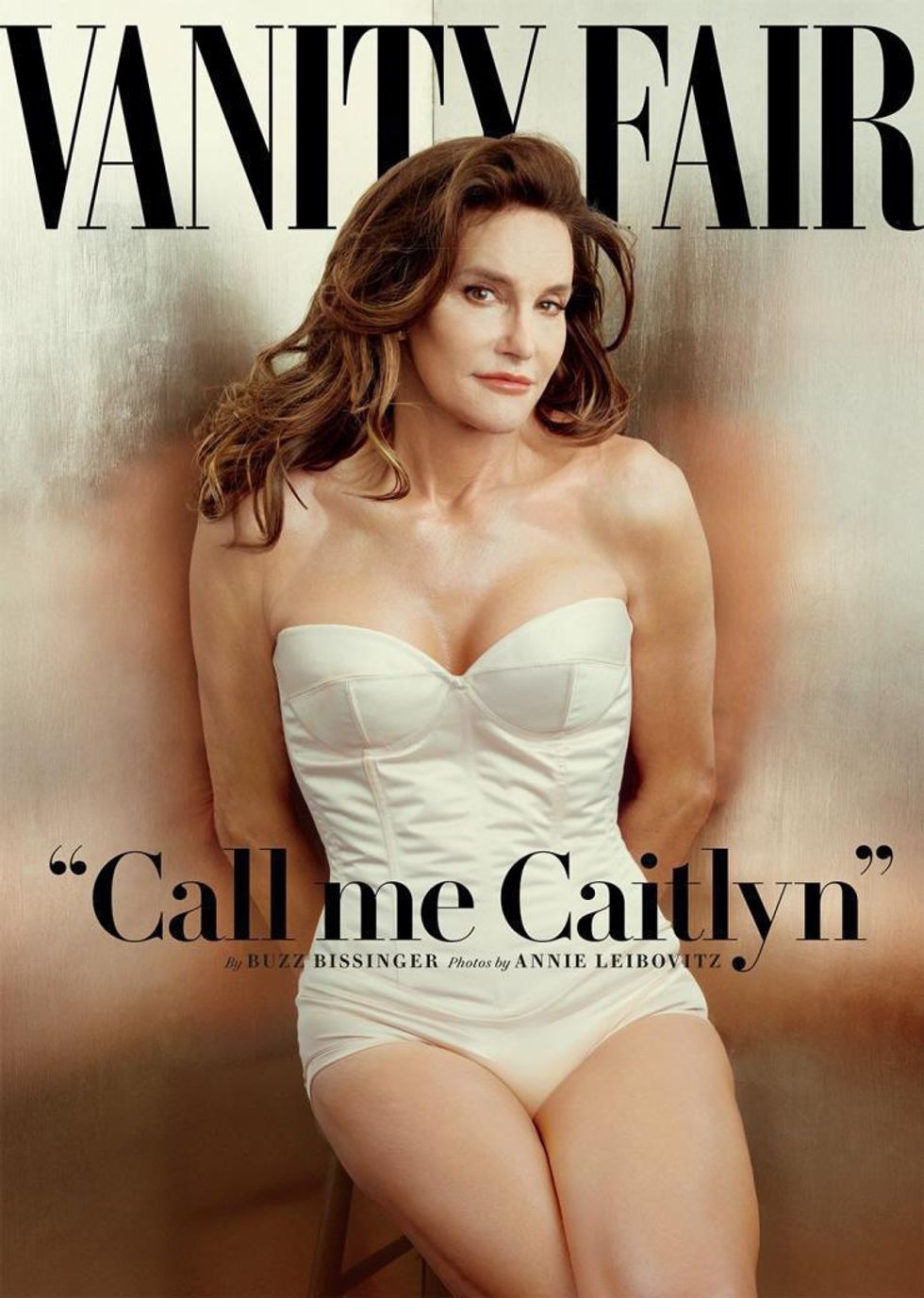
Now that social media buzz about Jenner has settled several months after her coming out, it seems as though the trans community has once again become invisible. Caitlyn appears to be living the life she wants to: she is undergoing her transition and is surrounded with support, but her case is rare.
The majority of transgender people living in this country are not as privileged as Jenner, who is a wealthy white trans woman with familial support. Her struggle must not be dismissed, but her experience does not represent those of most transgender people in the U.S. today.
According to the National Transgender Discrimination Survey of 2009, 15 percent of trans people in this country are living on $10,000 or less per year, and for black trans people this number is 35 percent. Only 7 percent of the U.S. total population lives on less than $10,000 per year.
Many trans people do not have the economic means to seek counseling or safe medical transition if they so desire, and if they cannot afford a place to live they often lack a place of safety. Many are forced into the dangerous profession of sex work because discrimination prevents them from having other jobs.
In addition to brutal economic inequality and racial discrimination within this inequality, murder and assault against transgender people is on the rise. In 2015, a year that might have appeared as a victorious one for the trans community, the U.S. record for murders of transgender people was broken on August 14th at an astounding 15 people.
Most recently, on Oct. 15 Zella Ziona was murdered in Montgomery Village, Maryland—the 21st trans person this year.
There have been efforts from celebrities such as Lavern Cox, a black transgender woman who has spread the hashtag #transisbeautiful, to raise awareness of the hardships transgender people regularly face. She has publically acknowledged the lack of privilege of most trans people, but unfortunately her efforts have not received the massive attention from the media that Jenner’s transition has.
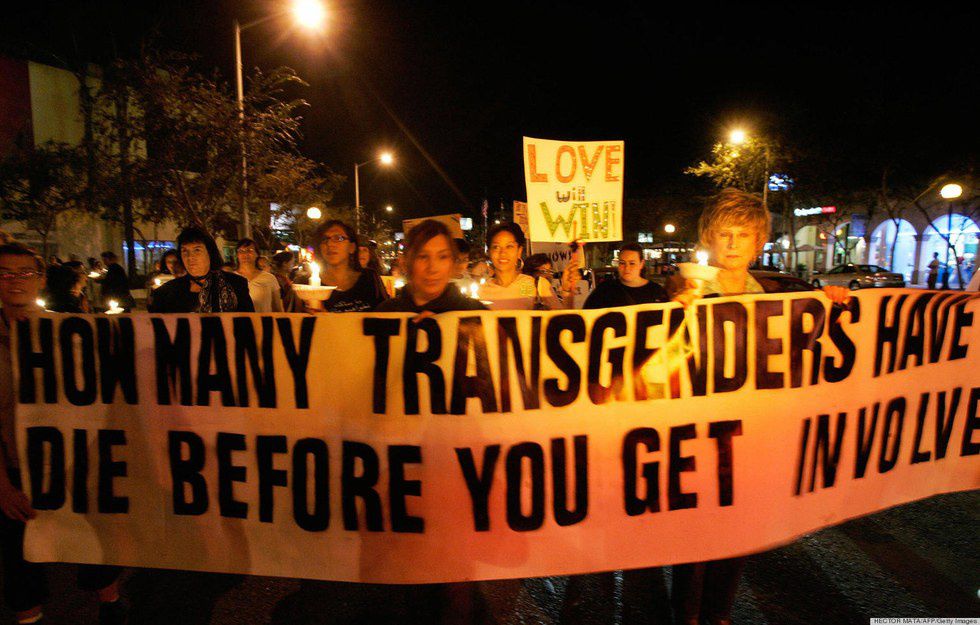
This month, and particularly on Nov. 20, Trans Day of Remembrance, let us take the time to recognize transgender people lost to horrific hate crimes. Let us make them, and all those alive and fighting for their rights, visible.