


In the beginning of my third year of high school, I started to gain a substantial amount of weight. I used eating food as a coping strategy to overcome some obstacles in my life. Into my last year of high school I gained a total amount of 40 pounds. At that very point, I knew that I had to start taking steps towards a healthier lifestyle. Late into my Senior year I began to practice that- I started going to the gym every day and eating mainly vegetables, fruits and protein. After about a year, I have lost a total of 43 pounds. It is not only a great accomplishment, but I believe it has helped me both physically and mentally. Your first year of college can be very stressful, and you are going to face stressors throughout life. I realized that improving your diet affects your mentality. Exercise releases endorphins in your brain that allows you to feel great and energized. In college, you may gain a few extra pounds, or the “Freshman fifteen”. First off, it is okay to gain weight sometimes, just like it is perfectly fine to want to lose weight (healthily). If you are looking to ever lose those extra pounds or improve your mental health, these tips have helped me and may help you achieve your goals with both physical and mental health.
1. Try to exercise for at least 30 minutes a day

Before exercising regularly, I found myself sitting around for most of the day. It allowed me to overthink and stress over even minuscule things. Exercising not only releases endorphins and keeps you in shape but it also keeps you occupied.
2. Cut down your sugar intake
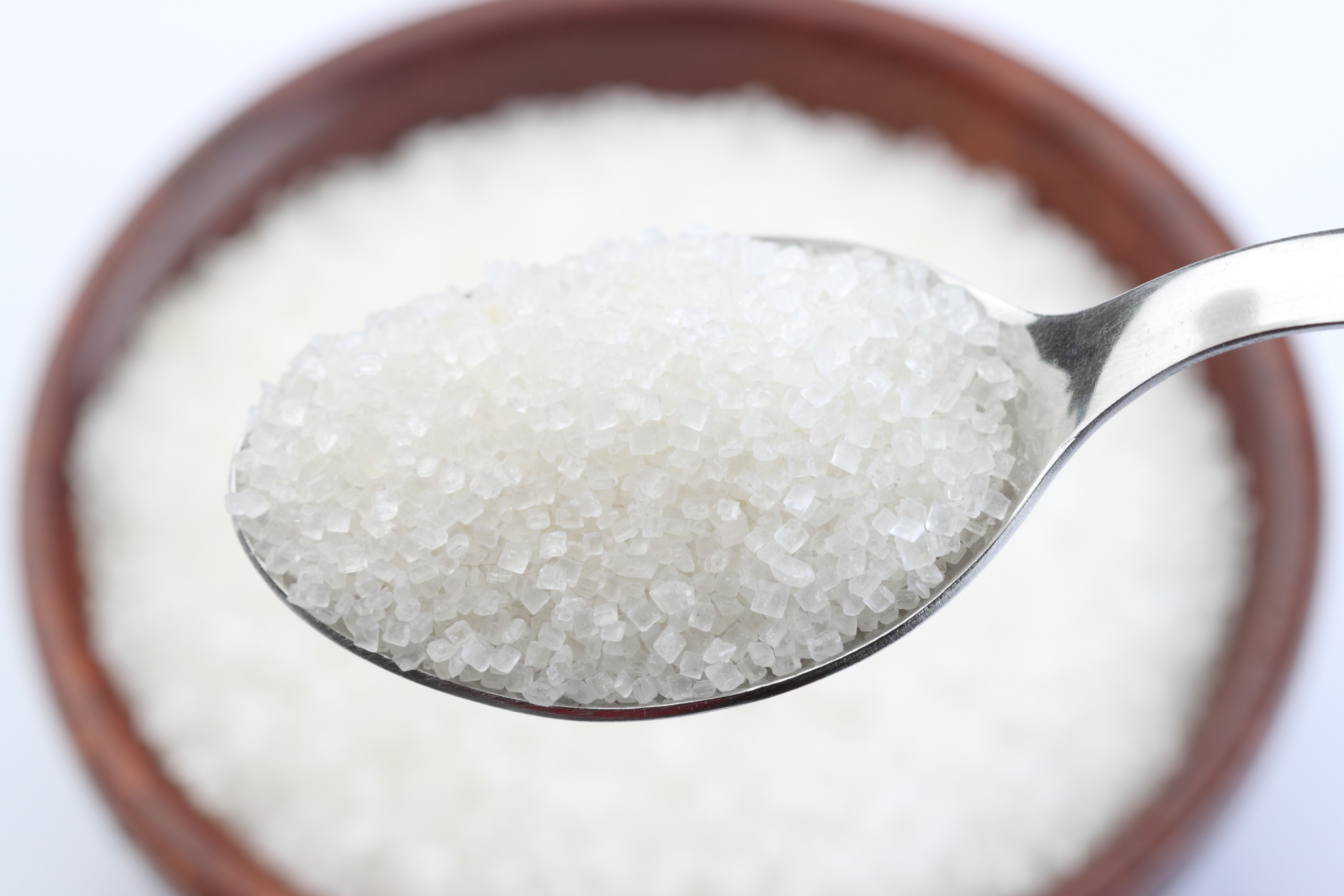
Sugar is known for weight gain. If you are trying to lose weight, refrain from eating too much sugar. Believe it or not, sugar is in foods you would not suspect. Make sure to check nutrition labels because each teaspoon of sugar contains 15 calories. It is believed that sugar can increase the risk of depression as well.
3. Do not cut out meals

Cutting out meals is actually the worst thing you can do to lose weight. It is not only stressful, but your body actually starts to conserve fat. It is important to eat every meal, especially breakfast.
4. Stay hydrated

Water is very important for a healthy body. It is recommended to drink at least six to eight 8-ounce glasses of water a day. Water is so important when it comes to exercising excessively. People are more prone to dehydration after they have exercised. Water is used to remove waste from your body.
5. Portion size

You may go to a restaurant and realize how ginormous the portions are. Portion control was one of the hardest things I had to work on. Your stomach and mindset are fixed on portions that are much larger than the actual amount you should be eating each meal. I learned that you do not always have to go back for seconds, and you can always count calories if you are willing to.
6. Try to refrain from eating out of boredom

Everyone has done it, just eating when you are not necessarily hungry but just bored. You choose fattening snacks that you can eat while watching television or on your laptop. This can actually add a lot of calories to your daily intake. Try exercising or occupying yourself so you can refrain from doing this.