Disney Animation Studios has proven time and again that it is capable of crafting animated films that are memorable, innovative, powerful, and artistic. With that being said, however, it is not the only animation studio capable of doing so; from Dreamworks to Warner Bros., Disney has had its share of worthy competitors, and still does. This list aims to explore some of the best animated efforts to not come from Disney, examining their strengths and impact on animation. Additionally, I’m only looking at non-Disney films made here in the U.S.
10) “Anastasia” (1997)
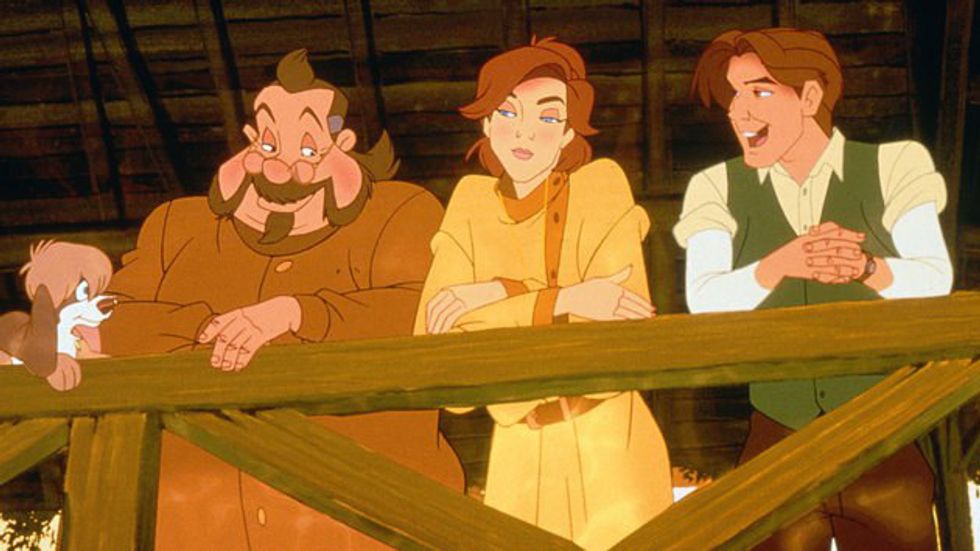
Once upon a time, 20th Century Fox actually used to have an animation studio, with “Anastasia” as the studio’s very first film. And as both a first outing and a film that had to compete with the heavy hitters of the Disney Renaissance, it’s actually fairly good. The story feels a little sophomoric at times, but generally speaking, it’s on par with what one might expect from Disney, complete with solid songs, good character development, and some suspense and wonder. By far the greatest asset to this film are animators Don Bluth and Gary Goldman, whose character, environment, and effect designs are simply stunning; so stunning that they hold up extremely well to this day. The animation style helps the film establish a comfortable balance between its fairy tale elements and a real world, early 1900s Russia.
9) “Kung Fu Panda 2” (2011)
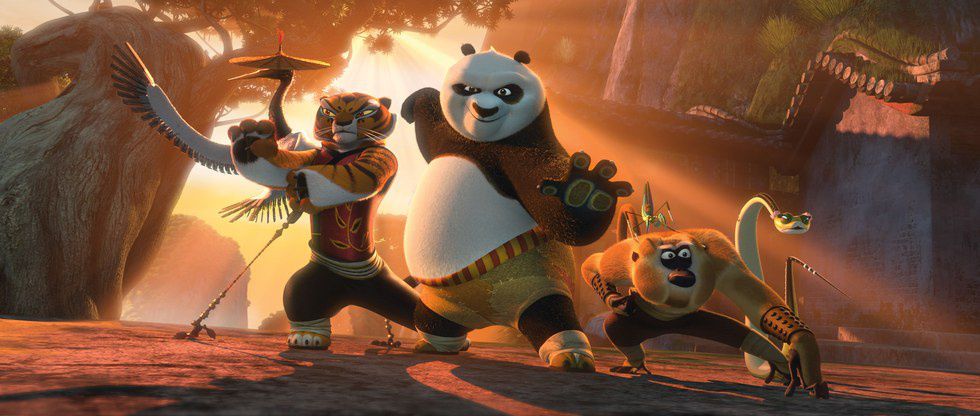
“Kung Fu Panda 2” is that rare sequel that completely tops its predecessor in every way. The cast performances and chemistry have improved, the visuals are bigger and better, and the story is surprisingly emotional and mature. The latter point is what really earns this movie a spot on the list; I was honestly very pleasantly surprised by this film’s use of subtext and drama, plus its ability to make this compatible with the jokes and lightheartedness one should expect from a family-friendly animated movie. It’s almost like Disney themselves could have made this film, given how well done and brilliant it is on a visual and narrative level. I have not seen the sequel to this movie yet, but given how likeable this one was, I may need to give that film a chance sometime.
8) “The Land Before Time” (1988)
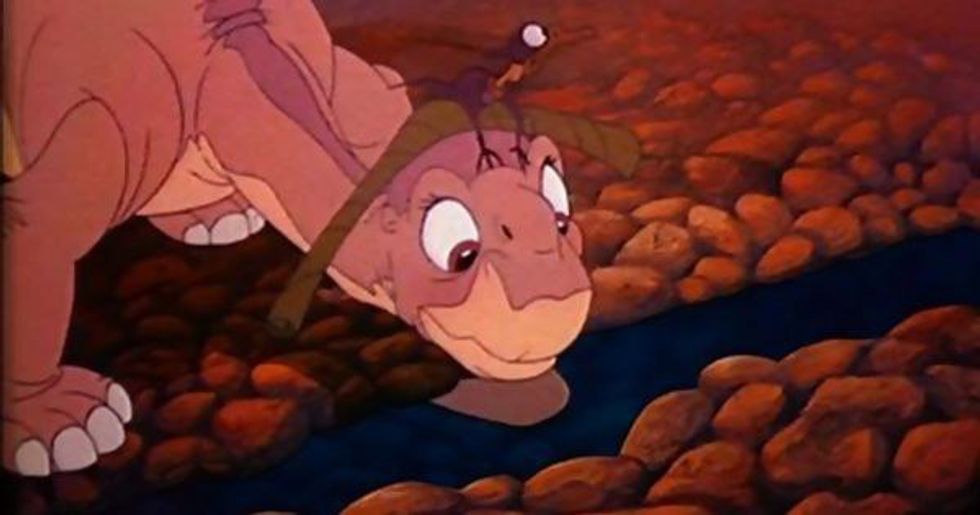
Don Bluth comes back for the second time on this list thanks to “The Land Before Time.” Like “Anastasia,” “The Land Before Time” boasts impressive, realistic character animation and world designs. On top of that is a heartfelt and adventurous story that is captivating to audiences young and old. It may not be the most groundbreaking animated film of all time, but like so many other works of Bluth’s, it needs praise and credit for what it does. It is definitely a film that can go toe-to-toe with Disney’s best (especially the ones that also have talking animals).
7) “The Nightmare Before Christmas” (1993)
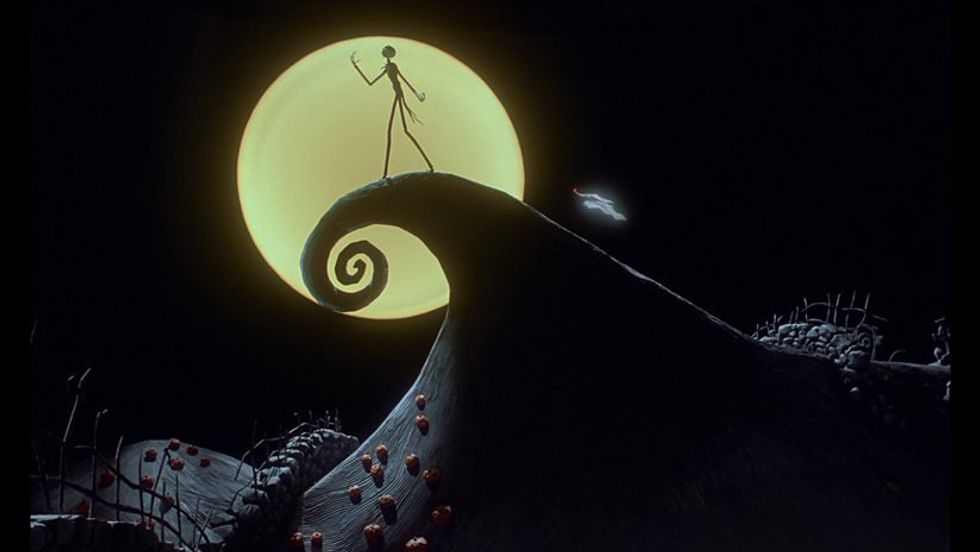
This macabre yet charming musical film’s story may be simple, but simplicity is the film’s greatest asset. The tale of protagonist Jack Skellington has the same kind of wonder and whimsy of a classic bedtime story or fable, complete with eccentric characters and an unusual, fantastical setup. The use of stop motion animation is simply stunning, leading to incredible visuals such as those found in the opening. And speaking of which, one cannot talk about “Nightmare” without mentioning the Tony-worthy soundtrack and musical numbers composed by the legendary Danny Elfman. Tunes like “What’s This?” and the opening theme, “This Is Halloween,” are sure to stick in the heads of most any viewer. Remaining both a Christmas and Halloween staple, “The Nightmare Before Christmas” is a scary good time for all ages.
By the way, some of you might be wondering, “But there’s “Nightmare” merchandise at Disney World; isn’t this a Disney movie?” Well, you’d only be half right. Touchstone Pictures, the studio that made the film, is owned by Disney. However, the film was produced in-house at Touchstone because Disney did not want their name or involvement attached to something that could frighten children. Because of this, it is still eligible for the list, and it is technically not a Disney movie.
6) “ParaNorman” (2012)
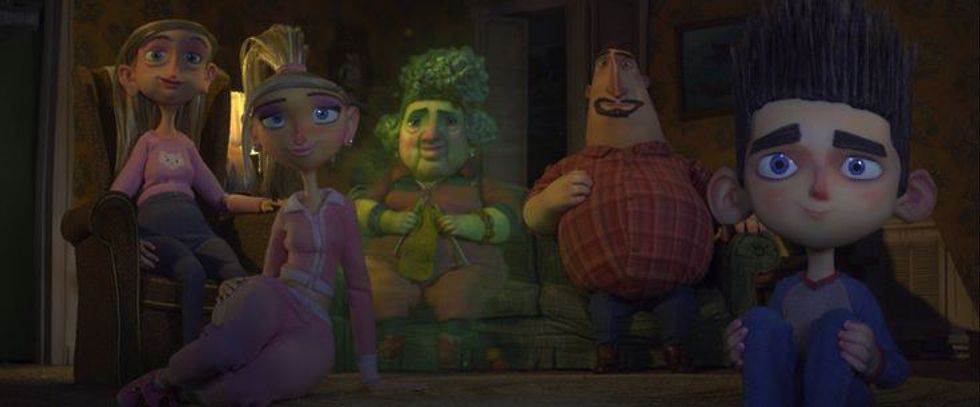
The best way to describe this film is as a great kids’ film that isn’t really a kids’ film. What I mean by that is while it’s aimed at kids and families, it’s a lot more grounded and mindful of older viewers than most animated movies, including some recent Disney films. “ParaNorman” is sure to please fans of films such as “The Monster Squad” or “The Goonies,” possessing the rebellious, young and edgy tone of those two films. The story is both relevant and well thought out, focusing on very important issues like ostracism. To top it all off, the film has a unique art style that is delightfully creepy and strange.
5) “The Prince of Egypt” (1998)

When it comes to biblical tales, few are as grand and impactful as the story of Moses and the Exodus. It is reasonable to recognize that the scale of this story would make a film adaptation somewhat difficult; such was the hurdle that Dreamworks’ “The Prince of Egypt” faced and fortunately overcame. Besides a phenomenal A-list voice cast—which includes big names such as Ralph Fiennes and Val Kilmer—the film has a beautiful art style and an emotionally resonant story. The excellent cinematography, the life-like animation and designs, and the dramatic score composed by Hans Zimmer work together to craft an animated film that feels, sounds, and looks like a live-action epic. It is really a shame that this film sometimes gets overlooked, because it is one that cannot be missed.
4) “Shrek 2” (2004)

“Shrek 2” is an example of a good comedy: spontaneous and organic. It is a testament to how and why comedy shouldn’t rely on simply setting up jokes and punchlines and instead focus on character reactions and interactions. Additionally, the story and settings are very unique, continuing the fairy tale satire of its predecessor, and some interesting new characters are introduced, the most interesting of them being the Zorro knockoff Puss in Boots. Fun, laugh-filled, and endearing, “Shrek 2” stands as perhaps the best contribution of Dreamworks Animation to date.
3) “Fantastic Mr. Fox” (2009)
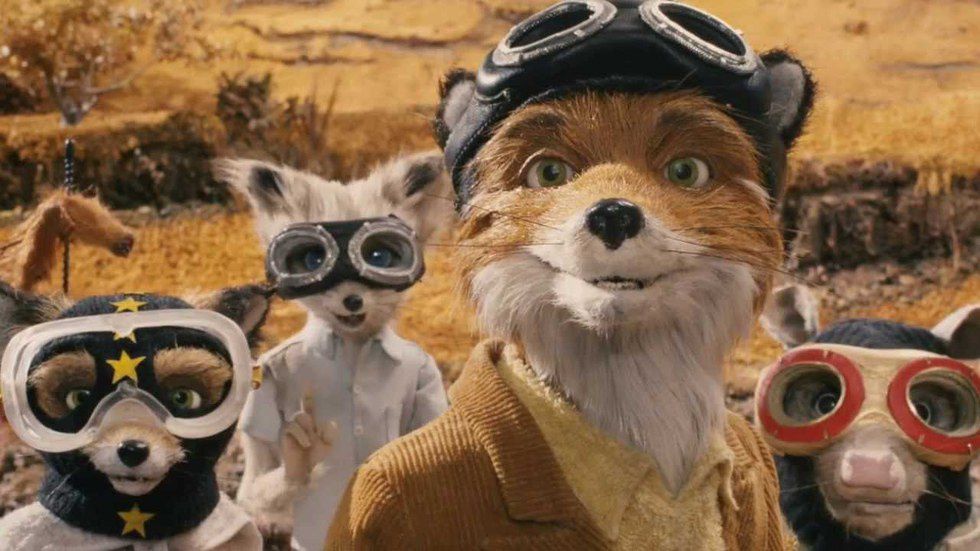
How do you make a good movie out of a lesser-known Roald Dahl book about a fox, his family and friends, and three angry farmers? You hire none other than director Wes Anderson to get the job done. Anderson’s direction and writing solidifies “Fantastic Mr. Fox” as an animation masterwork: a witty, unconventional, wildly unique film, the likes of which doesn’t come around too often. The film’s cast, headlined by stars such as George Clooney, Meryl Streep, and Willem Dafoe, delivers on every level with both quirky enthusiasm and dramatic subtlety. It is on the whole an exemplary animated picture and a good sign that Anderson could pull off a similarly effective and wonderful film should he return to animation.
2) “The Lego Movie” (2014)
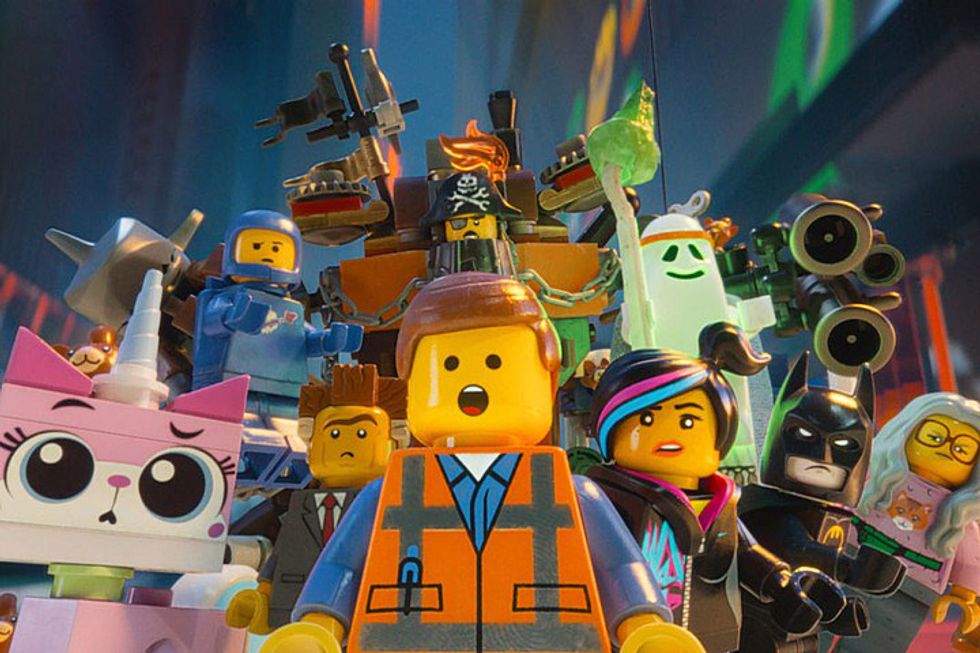
What could have easily been a cheap, poorly-made cash-in on the popular Lego license ended up becoming one of the best animated films of all time. Even if you’ve never played with Lego toys before—in which case, how haven’t you?—“The Lego Movie” taps into that familiar naiveté, imagination we all had as children. The humor and situations echo how we may have been when we were little; it is without a doubt such a well-done feature of the film. Moreover, it has a very important message about the nature of creativity: what happens when we try to share it with those who aren’t like-minded, and the folly of trying to control it. This film is one of the finest animated films around, and everything about it is indeed awesome.
1) “The Iron Giant” (1999)
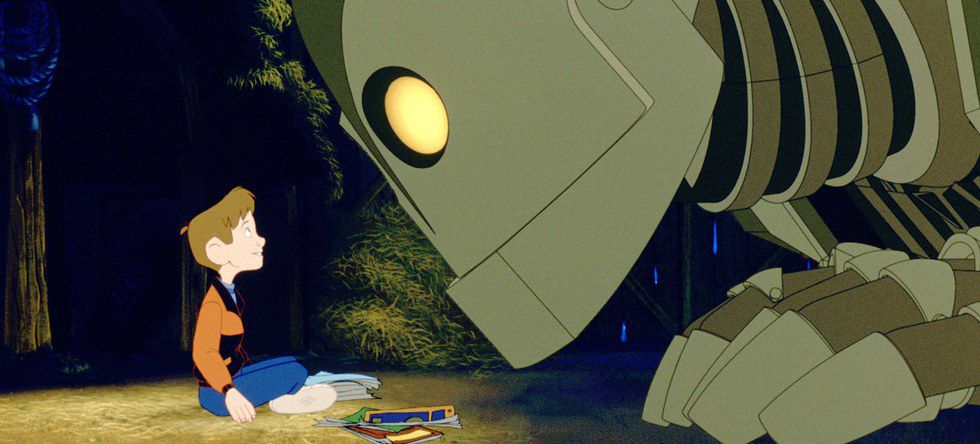
I’ve found that “The Iron Giant” is one of those movies that can be examined through two different lens: that of a younger viewer, and that of a seasoned, world-weary older viewer. As a child, it’s easy to see that this is a well-crafted, enjoyable tale about a rather unnatural friendship and how it overcomes numerous varying obstacles. As someone much older, it is astounding to see how much deeper it goes than that. “The Iron Giant” is a story about the many differences between us all and how those differences can either be accepted or shunned, the latter oftentimes causing unwanted circumstances to arise. It’s a story about how, as the film’s protagonist puts it, “you are who you choose to be”—that you can be whoever you want regardless of what you look like or where you come from. It’s a story that advocates understanding our fellow man in favor of peace, and it’s one that is truly marvelous.