
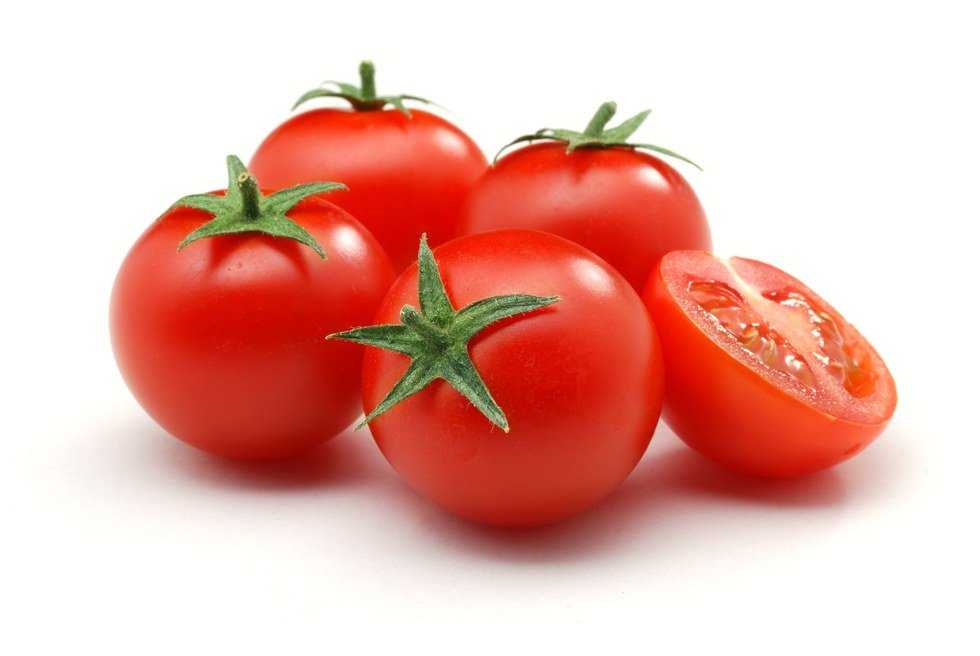
"Tomatoland," an informative book by Barry Estabrook, begins with the history of the tomato. The tomato, Solanum lycopersicum, is a fruit that is eaten in some form nearly every day. Although many citizens of the United States enjoy this fruit, many do not know the true origins of the tomato. Botanical research has concluded that the likely ancestor of the tomato we eat today comes from Solanum pimpinellifolium, which had pea-sized fruits that have since been enlarged through breeding. The ancestors of the modern day tomato originated from Chile, Peru, and Ecuador, and were popularized in the United States by the work of a man named Alexander W. Livingston who bred tomatoes in the 19th century. Estabrook condemns the tasteless tomatoes of today, as they are picked well before they are ripe, and are gassed with ethylene (a plant hormone) before transport. To meet the demand that the nation has for tomatoes, one third of the United States’ crop is grown in Florida, an environment not suited for the plant.
Estabrook travels to Florida to determine how the plants are being farmed in a place that is not suitable for their growth, and what he finds is shocking. The soil in Florida where tomatoes are farmed is very sandy and contains organisms that harm the tomato plant, such as nematodes. Also, due to Florida’s humidity and climate, tomato plants are extremely susceptible to fungi and disease. To combat disease and pests, pounds upon pounds of pesticides — many of which are known to cause severe birth defects and sickness — are applied to the plants and soil. These pesticides, including the extremely potent and poisonous methyl bromide, are used to make the soil usable to grow tomatoes. These pesticides are applied using human labor, and the workers are often untrained and uninformed of the damage that the pesticides can cause them. Not only are laborers on tomato farms that Estabrook visited not warned about the chemicals they are using, they experience slavery-like conditions when working for tomato companies. A large part of this book examines the most severe cases of human trafficking involving Latino workers in Florida’s tomato industry, and the lawsuits that ensued when the abuses came to light.
Botanically speaking, this book is accurate. Although the majority of the book concerns the human rights abuses that occur on tomato farms, it does discuss how the plants were bred and how they are industrially grown and produced. For example, Estabrook discusses how the plants are pruned so their stored energy is used for fruit production rather than lateral growth. Another large botanical aspect of tomato production is the aforementioned gassing of the tomatoes with ethylene. Overall, not only does is this book valuable scientifically from a botanical standpoint, it is also valuable socially as it discusses human trafficking that still occurs today. This book is accessible to those who are not in a STEM field and is just a very good read in general. I would highly recommend this book to anyone, as the issues presented are relevant and important.





 man running in forestPhoto by