
When we're at the nearest shopping center picking up our shampoos, conditioners and body washes for the month or restocking our makeup collection or our medicine cabinet with deodorant and lotions, many of us spend more time looking at the front of the bottle or boxed packages rather than the back of them. We will check which type of hair the shampoo was designed to help, or maybe we'll pop open the body wash to take a quick whiff of the scent to see if it's what we wish to smell like when we get out of the shower. But rarely will people check to see if their favorite beauty, skincare or hygiene products contain chemicals that will harm them in the long run, cause birth defects in their children, or trigger acne or skin disease.
Ever since I found out the truth behind chemicals found in conventional store-bought products (check out this video if you'd like a simple, easy to understand explanation of this issue if this is your first time hearing about this), I've decided to avoid buying items that are really toxic, especially since I have sensitive skin. Now that I think about it, though, maybe I didn't have sensitive skin before I used popular name brand (toxic) products religiously all my life.
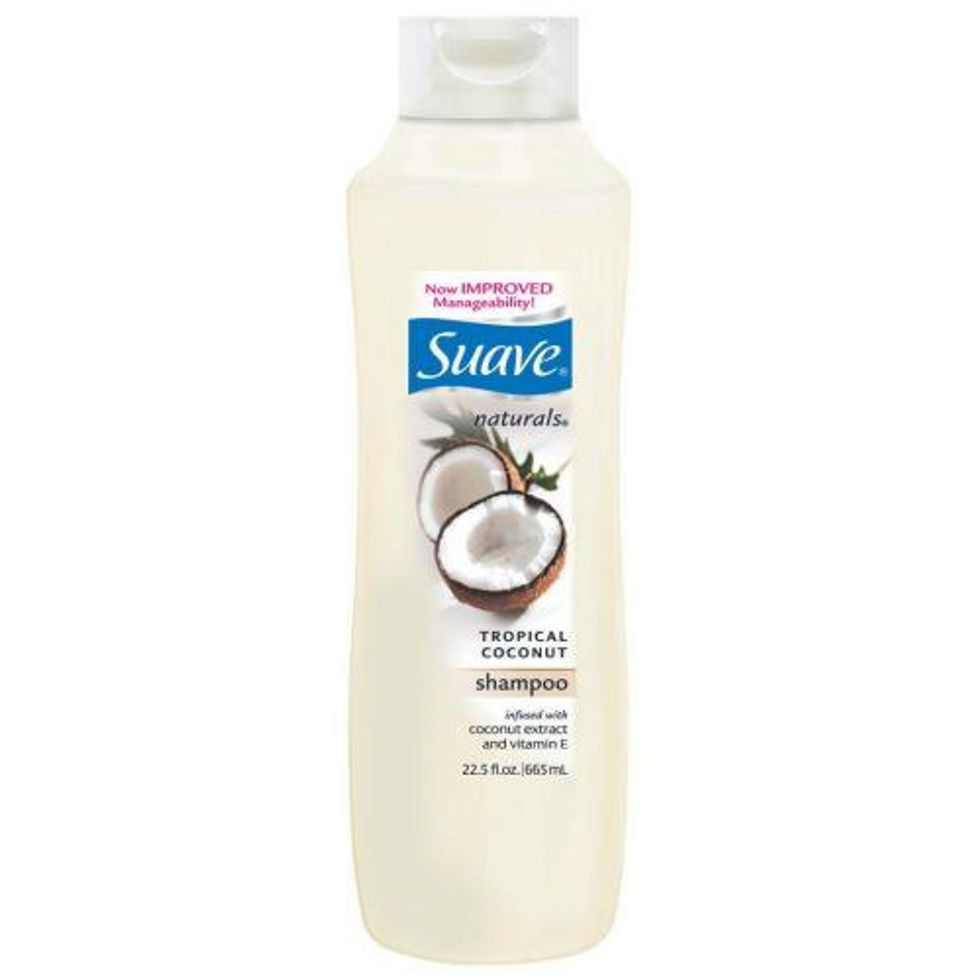
I'm sure many of today's shoppers have noticed the current trend in personal hygiene products where many well-known companies are coming out with "sulfate-free shampoos" and branching out with a new line of "organic" or "natural" personal care products. A good example of this would be Suave Naturals, which presents products that are either hypoallergenic or pH balanced, but still contain toxic chemicals such as sulfates, fragrance (parfum) and other carcinogenic chemicals, like Cocamide MEA, and preservatives like Methylchloroisothiazolinone.
Natural preservatives do exist, such as lemon, honey and rosemary extract, it's just that most companies like to take shortcuts and use cheaper alternatives because it increases their profit. Cosmetic and personal hygiene companies are able to get away with using these ingredients because they claim to use such a little amount that it wouldn't affect us and they also argue that these chemicals can simply be rinsed off. In addition to that, research on their toxic ingredients is either reported to be inconclusive or dependent on further studies. The real, dirty truth behind this issue is that these companies typically aren't being regulated on the concentration percentage of each toxic chemical they use in their products. They don't even have to list each component used to make up ingredients like "fragrance," which is why I am so wary of it.
What's interesting is that hair product companies have "directions" usually found on the back of their products, that instruct users to "massage" or "lather" the product into the hair or skin. Sometimes products even suggest that we "repeat" the process. This is asking the consumer to apply a generous amount of the product each time they use it and make sure that it is pushed onto the scalp or skin, so how could the chemicals be "rinsed off" if we are directed to allow them to soak into our skin? In 2012, The Huffington Post presented an article on the study of chemicals found in personal care products and cosmetics being absorbed into our bloodstream and how serious this actually is. In this article, author of ‘Look Great Live Green’, Deborah Burnes, provides readers with lists of the types of products she recommends you buy organic or "clean", as well as products and ingredients to avoid.
Personally, I believe that the best way to vote is with your dollar, so by avoiding the big companies that use harsher chemicals and supporting the smaller brands that have a lower toxicity rating, you are voting for store shelves to be toxic free, or at least much less toxic than they are today. With that said, upon finding out about all this madness about a year ago, I decided to clean out my medicine cabinet, bathroom and makeup vanity of all products containing toxic ingredients. I originally pictured myself grabbing a black plastic trash bag and going through my entire living space to throw each toxic, brand name product, one by one, into the bag. However, in reality, it was a lot easier said, or imagined, than done. I couldn't bring myself to throw full bottles of lotion away, so I just put them in other rooms of my house, such as our guest room. But I also couldn't bring myself to throw away my half-full foundation and concealer so I decided to wait until I had natural alternatives for everything I use on a daily basis instead.
Then, one glorious day I came across an app for iPhone users called Think Dirty, and my life had suddenly gotten so much easier. Sure, you can do research for hours on each product or brand you're interested in individually or you can look up natural, yet expensive, products online. But this app made the switch to natural products less time consuming and also very easy!
There are similar versions of this app, such as Skin Deep, but the Think Dirty app is my favorite to use because it is so simple and user-friendly. With this app, you can look up specific brands or products to see their level of toxicity. The app categorizes products into three groups: green, yellow and red. The green represents the products which are rated between zero and two, which means it is considered to be clean, or "neutral." The yellow represents a rating between three and six, meaning the product is fairly clean, or "half n' half." The red represents a rating between seven and 10, which indicates that the product is "dirty."
The app has approximately 3,600 brands to look into, with 509,500 products to search from. You can also scan products at the store to try to find them quicker, but I prefer to just type them in on the search bar because the scanner doesn't always work even if the app has information on that product. Upon downloading and opening the app, you are asked if you would like to sign up, log in or simply be "let in" to the app. If you don't sign up or login, you will not be allowed to look at detailed information about each product's ingredient list but you will get to see at least the toxicity rating, which is based on the level of controversial or harmful ingredients in the product. If you do sign up or log in, you can review the ingredients in each product more carefully. If you click on an ingredient, which will either be highlighted red, yellow or green (to indicate its level of toxicity), you can read more specific information about the ingredient to see what role it plays in the product and how it can be harmful (whether it is linked to breast cancer or acne or eczema breakouts), which is all based on research. The app will tell you if some of the research on a specific ingredient is inconclusive or still being studied, but for the most part, you'll know what to avoid based on your skin type and needs. Think Dirty also gives users suggestions on "clean", or natural, brands, though they are typically brands that you must order from online and are not normally found in stores.
The app allows users to see the carcinogenicity level, developmental and reproductive toxicity level, and allergen/immunotoxicity rating on each product so that they can assess whether the product is right for them or not. I know that this app has definitely helped me avoid products that trigger eczema, which I have suffered from since I was a baby, as well as face/skincare products that may cause skin cancer, as that does run in my family. The app has been a really amazing guide for when I go shopping and decide to look for more low-toxic makeup to add to my collection. It is especially helpful when I am interested in a brand that claims to be all-natural and organic and free of harsh chemicals, because sometimes brands can claim to be free of certain chemicals, but will substitute them with other cancer-causing preservatives. (Sort of like those "diet" sodas that replace sugar with artificial sweeteners that are actually much more harmful to the body.)
I know that there are still many people shopping blindly without realizing what they are really putting onto their skin, so I figured I should spread the word about this app, since it is free, so that I could potentially help as many people as possible avoid the products that are slowly, little by little causing them harm without their knowledge. It is always best to be informed so that we can try to make conscious decisions as consumers.