1. Trdelník
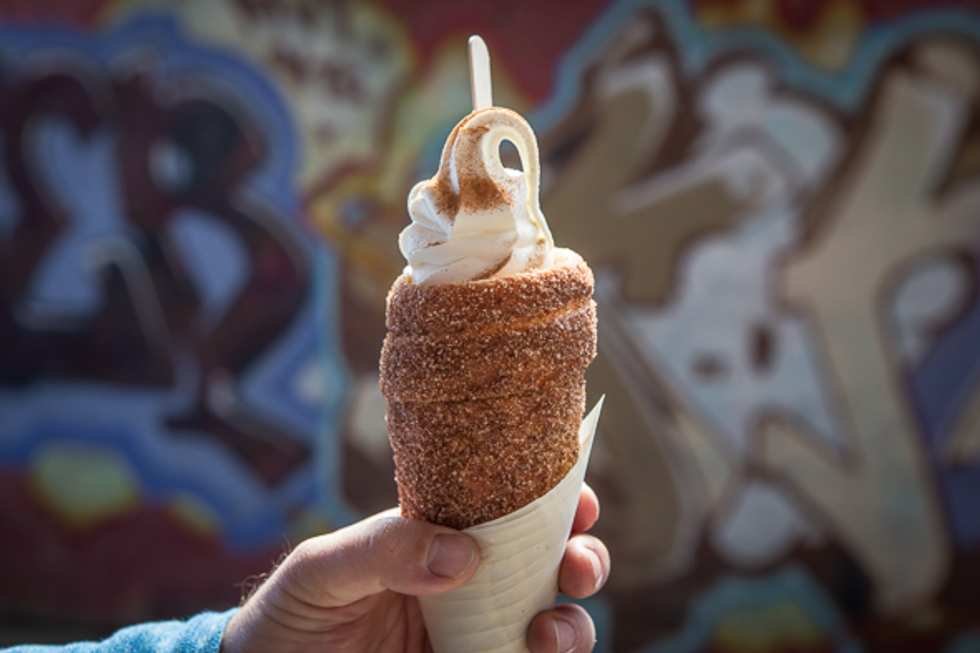
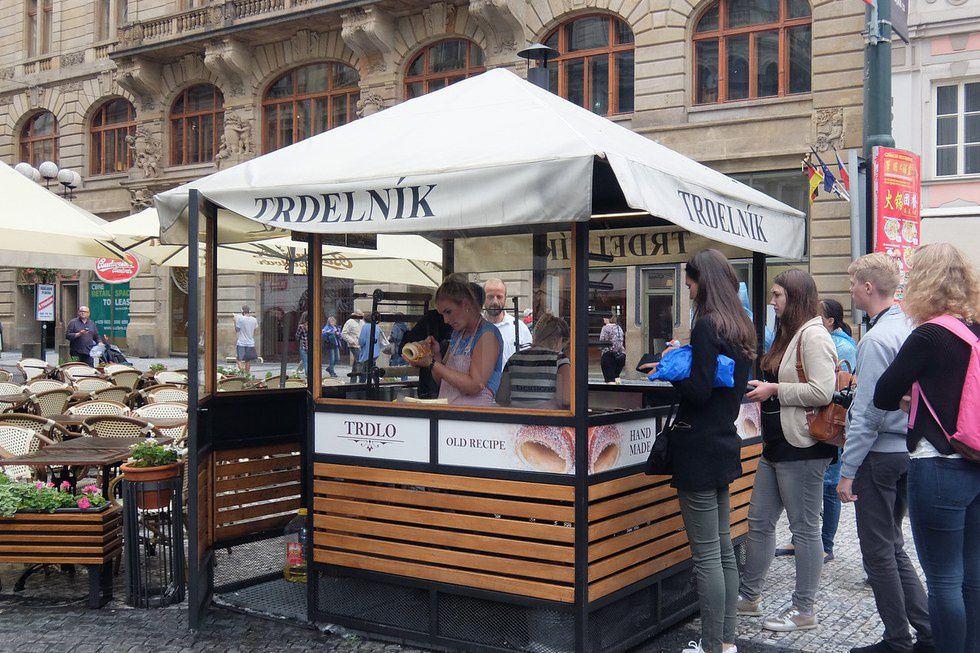
One of the most common street food desserts in old town, Trdelník have recently become famous worldwide because of how insta-worthy they look and how mouthwatering they are. They are sold in stalls all around Prague but are even more commonly found in Christmas markets.
2. Pražský hrad
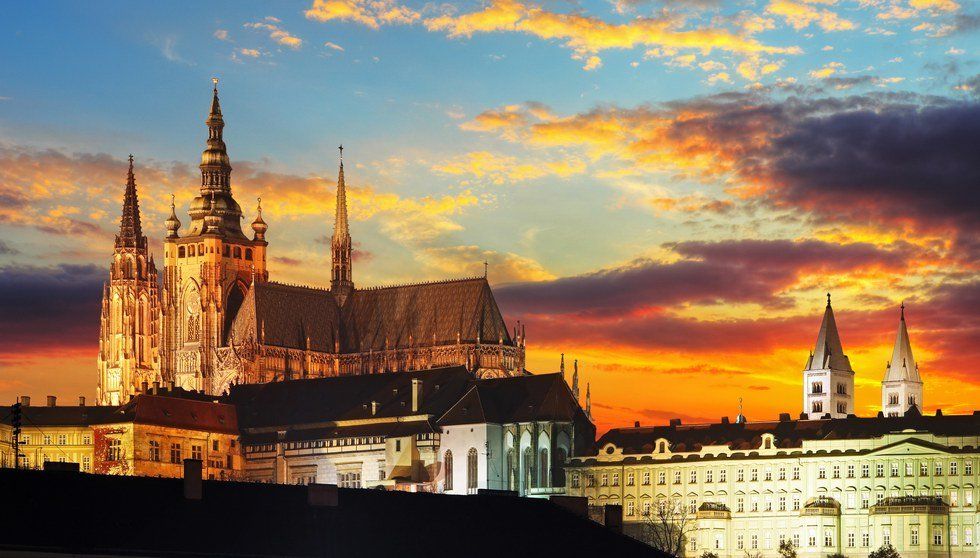
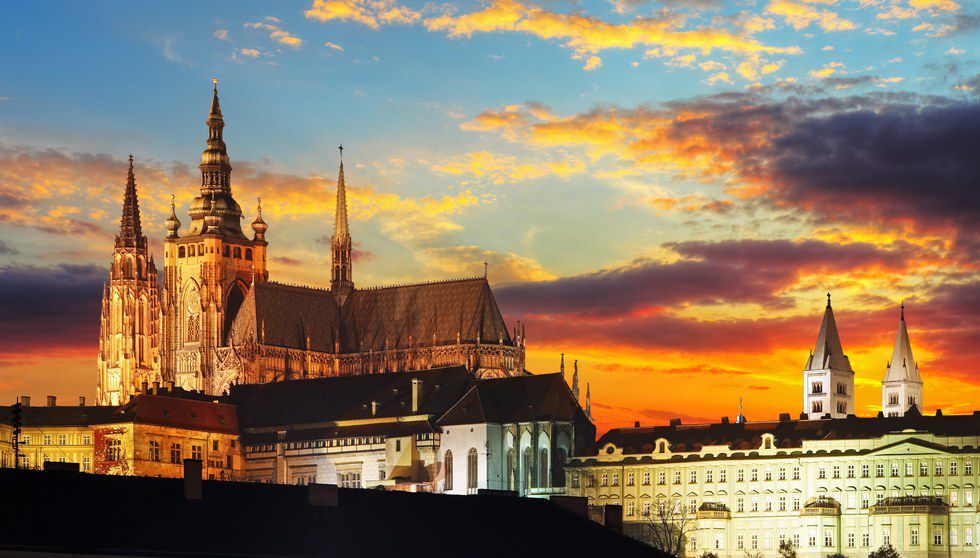
The Prague Castle is the largest ancient castle in the world, dating back to the 9th century. The castle is a complex of different churches. The Church of the Virgin Mary, dates back to 884, making it the second oldest church in all of Bohemia. During the medieval ages the castle housed the Kings and Queens of Bohemia and today it is the seat of the Head of State.3. Karlův Most –
3. Charles Bridge
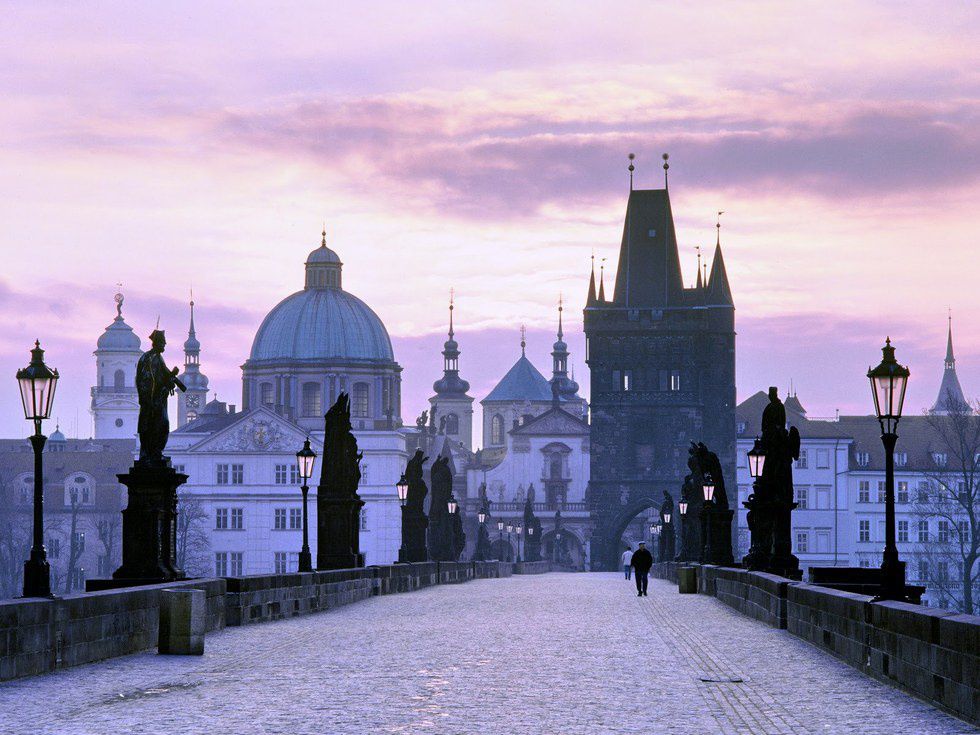
The Charles Bridge is the most historic and famous bridge in Prague. Historically it was the only bridge that connected these two sides of Prague and was therefore a crucial part of the trade route between Eastern and Western Europe. One of the most noticeable features of the bridge is that there are many statues of saints and patron saints on either side of the bridge.
4. Muzeum komunismu – Museum of Communism
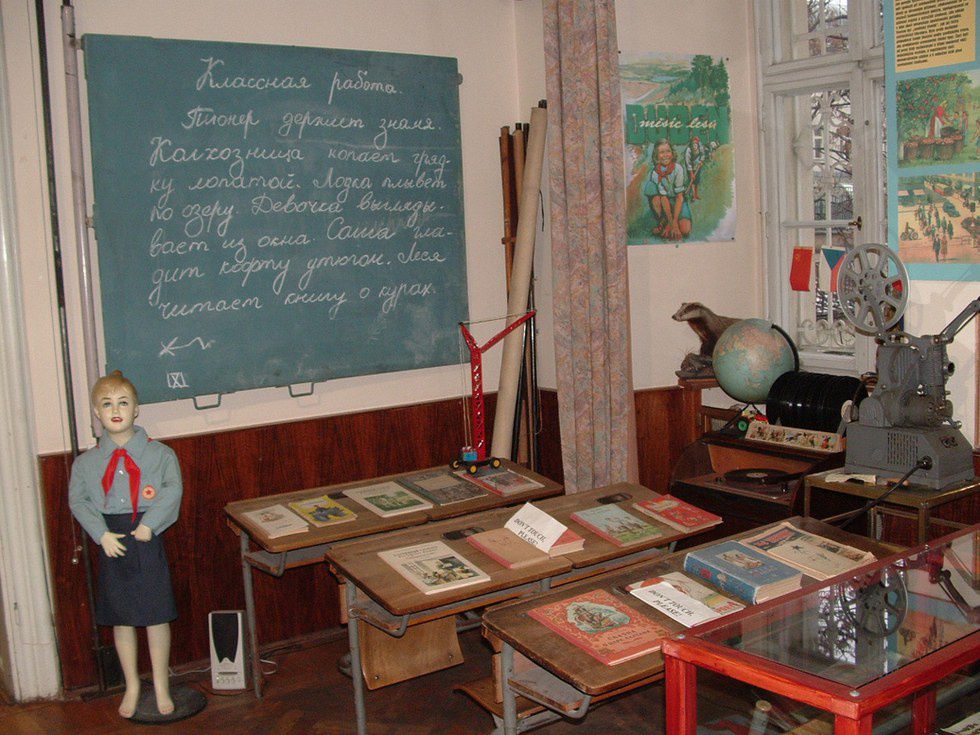
This museum is completely dedicated to giving an accurate account of how living under communism was in former Czechoslovakia. There are a wide variety of artifacts displayed from propaganda posters to objects that were used in daily life, showing visitors what it was truly like to live under communism.
5. Nuclear bunkers
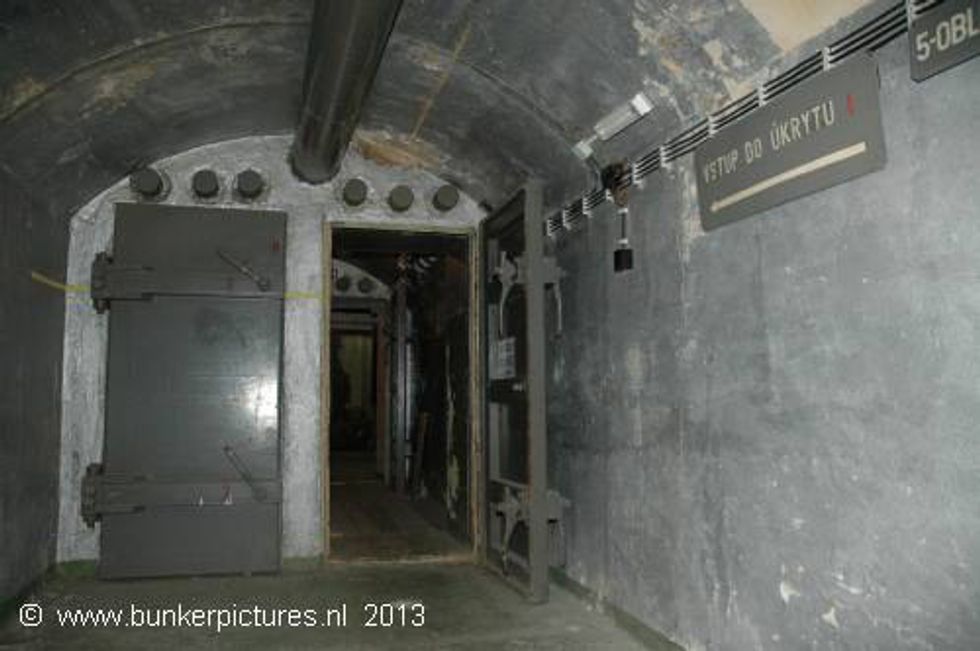
The bunker is an incredible place to be able to see how people defended themselves during the Cold War. The collection includes authentic gasmasks, army gear, uniforms, helmets and other equipment that was necessary at the time.
6. Terezín
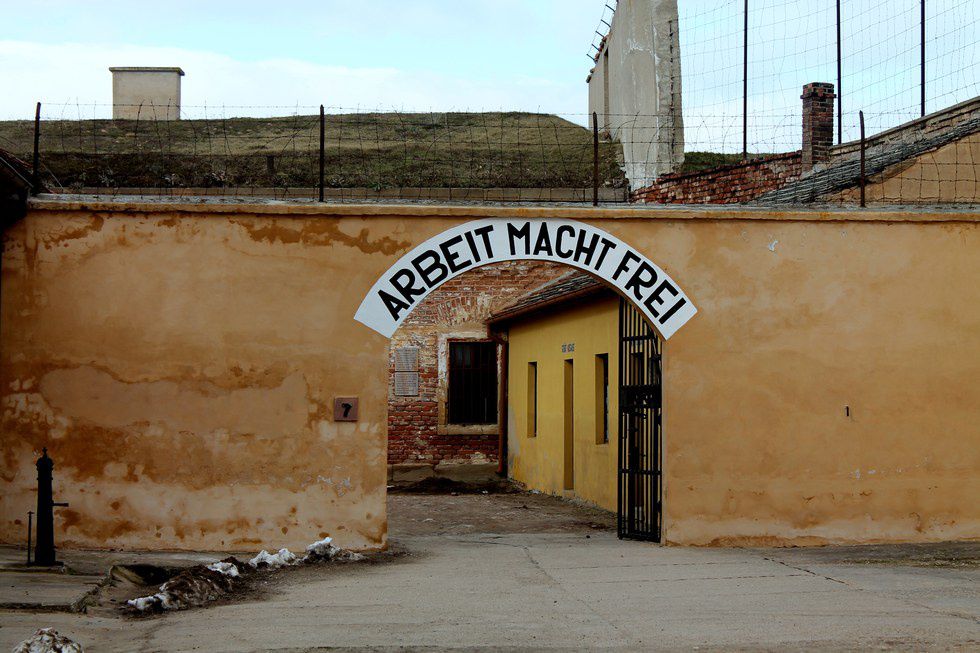
Terezín is home to a former concentration camp called Theresienstadt concentration camp. Although tens of thousands of people died there, this concentration camp was considered as a “model” one. Footage was used as propaganda to show the Red Cross and other countries that those being held in concentration camps were not being tortured. Terezín quickly became a pit stop for “prisoners” before being sent to Auschwitz.
7. Karlštejn
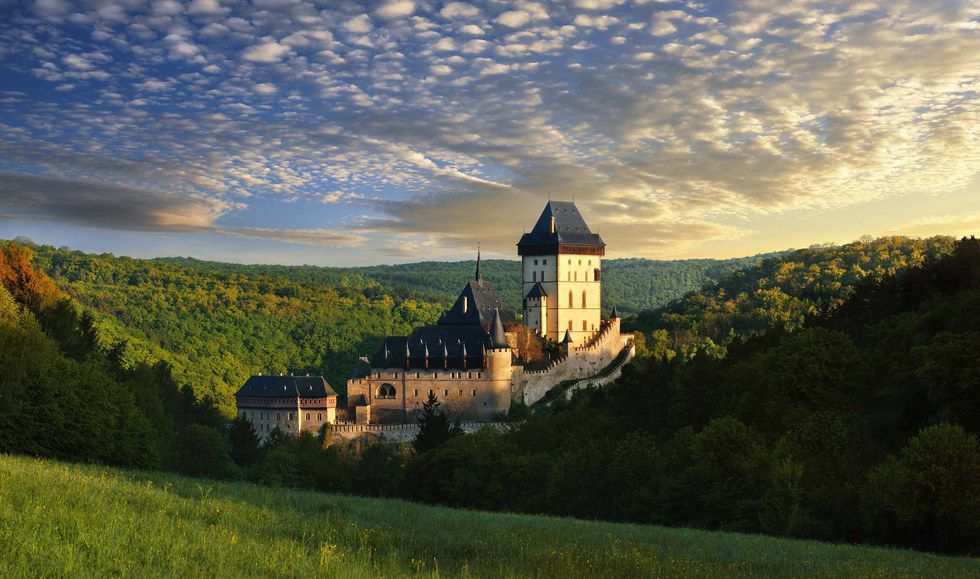
The Repunzel like castle was built by Czech King Karel IV (Charles IV) in 1365, supposedly to store the collection of crown jewels. There are many legends that explain the reason the King called for the castle to be built. One of the most famous ones claims that he needed a place for his spiritual needs and therefore women were not allowed to enter the castle.
8. Karlovy Vary
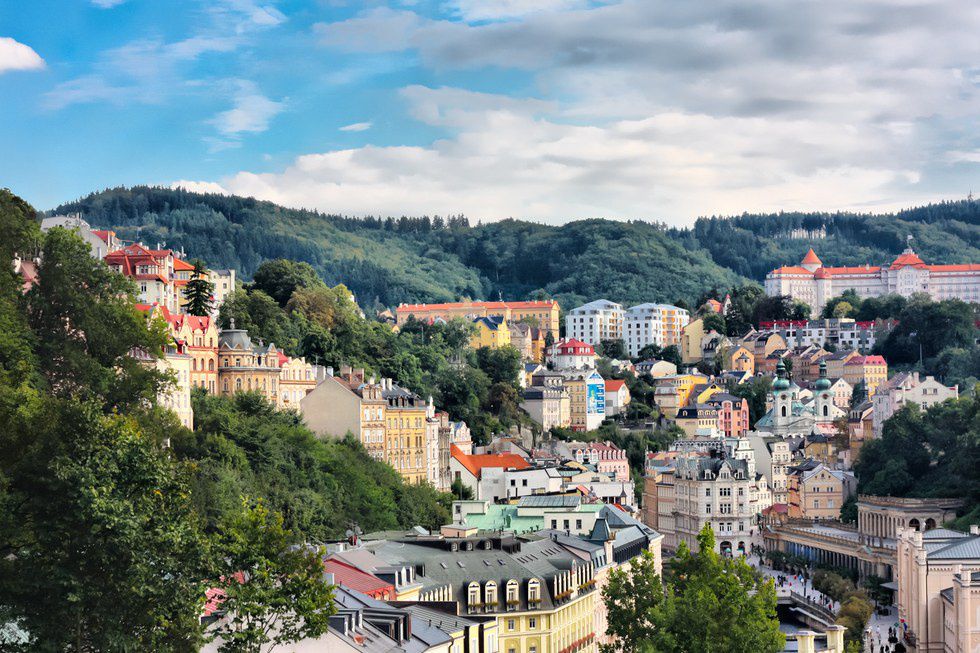
Karlovy Vary is a spa town located in Eastern Czech Republic; King Charles IV founded it in 1370. It is by far the most visited spa town in the Czech Republic, as it is known for its hot springs with “healing powers.”
9. Prague Beer museum
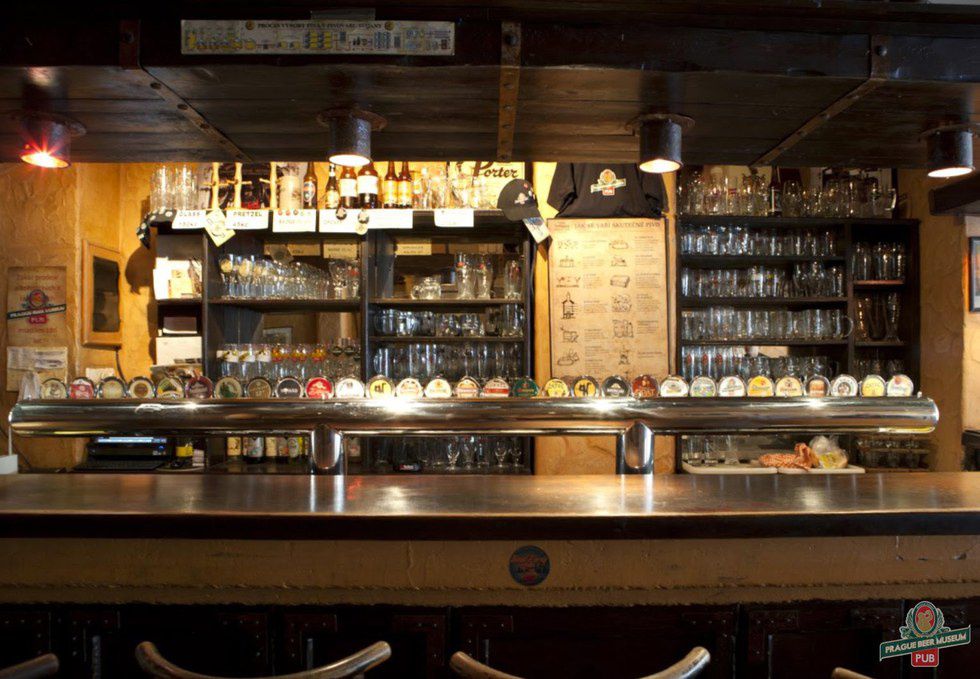
With the highest beer consumption per capita (142.6L), it is no surprise that there is a museum dedicated to beer in the Czech Republic. Beer is part of the lifestyle here, where it is a fact that beer is cheaper than water. The beer museum offers 30 Czech beers on tap.
10. Letenské Sady - Letná Park
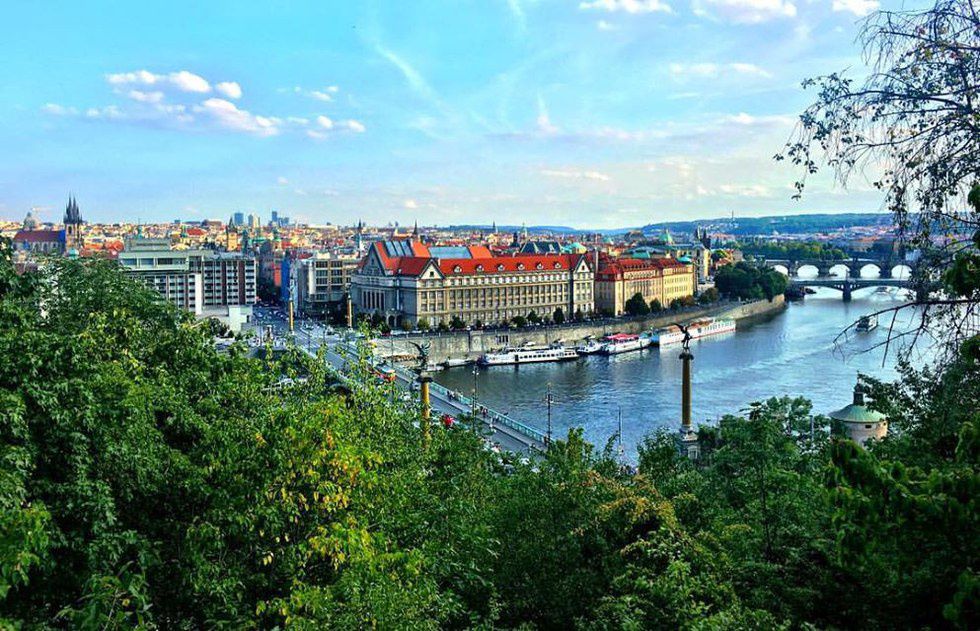
Letná park is a park that is elevated along the Vltava river giving it a gorgeous view of Prague’s old town from above. The park has many historical events associated with it. During the Velvet Revolution, it was the site of many protests against the communist regime.
11. Staromestke namesti – Old Town Square
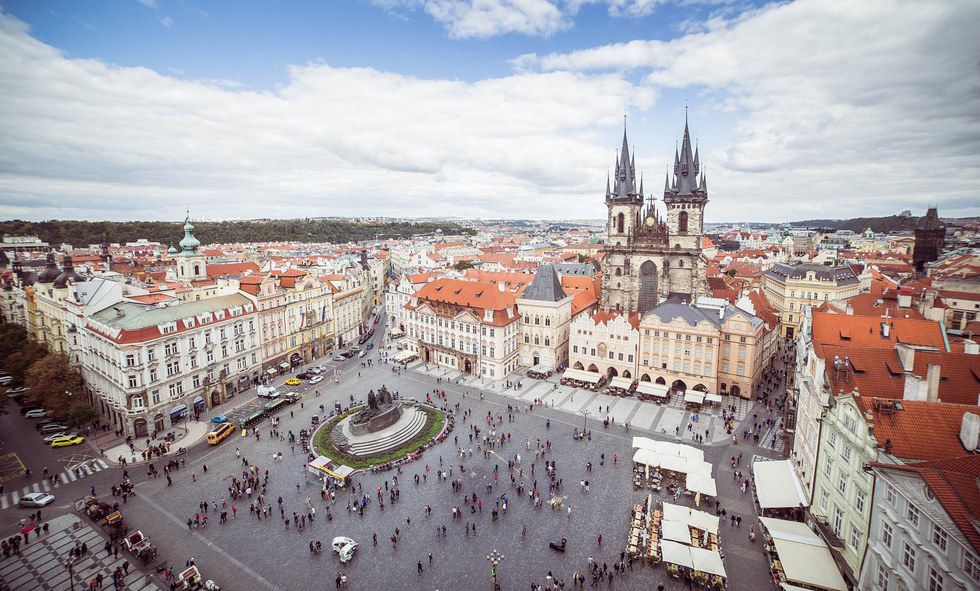
Although a primarily atheist country, Easter and Christmas are two of the most celebrated holidays in the Czech republic. The old town really comes to life around these two holidays as markets take over the square. However, during the rest of the year the square the square still attracts a lot of foot traffic as people from all over the world come to visit the beautiful historical sites of Prague. Located on either sides of the square is the T´yn Church and the Prague Astronomical Clock.
12. Lennon Wall
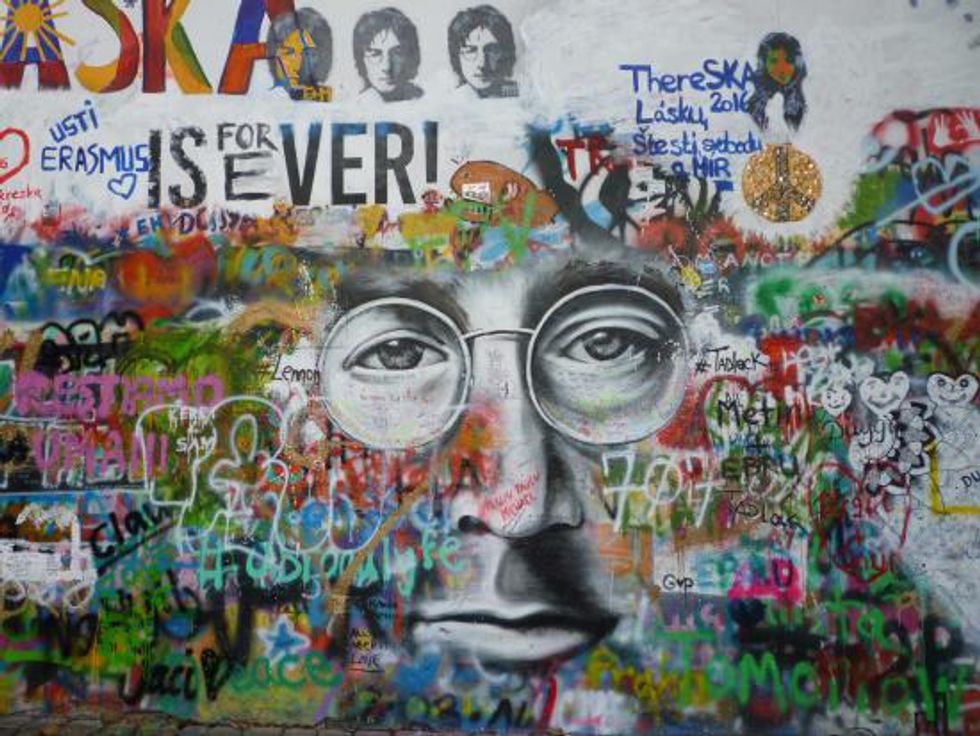
The Lennon Wall came to being after the assassination of the Beatle’s singer in 1980. It is constantly changing and therefore if you were to compare your picture with someone else’s they would most likely share little to no similarities. It is a wall that acts as an outlet for ideas of love and peace between different communities through the last several decades.