wan·der·lust (noun): a strong desire to travel
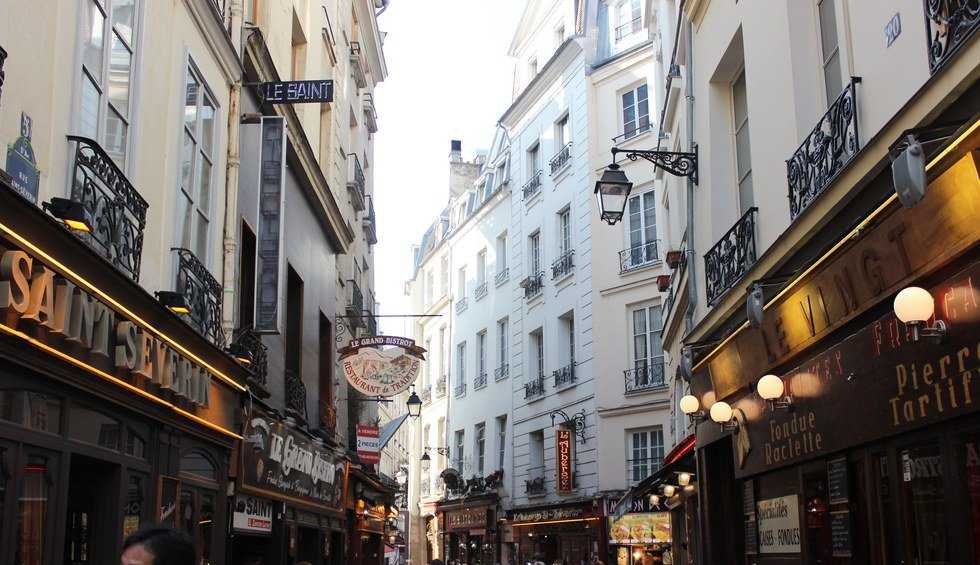
When I traveled abroad for the first time, it was nerve-racking. I didn’t know what to expect, though I had a complete itinerary for the week and had been planning and doing research for my trip to Paris for months. To prepare, I chose to take two semesters of French. Throughout the course and during my preparation for the trip, I got an idea in my mind of what the trip was going to be like, how the French people would act, what I would see and where I would go. When I got off of the plane at Charles De Gaulle airport in Paris and traveled with my classmates by bus to our hotel, my eyes were glued to the new sights of the city around me. While passing through the outskirts of the city, my predisposed opinion of the city changed. As we entered the historic districts, the story of France’s past began to come back to me as we drove through the arrondissements, and I pictured revolutionary barricades in the narrow streets. Even though I had seen photo after photo of Paris, it was becoming so much more real. I was in an incredibly historic and beautiful city, and despite running on two hours of sleep, I was eager to explore and see what la ville de l’amour, the city of love, had to offer. During my week in France-- and the following week in Italy and Germany -- I learned 15 important lessons about traveling abroad.
1. Try the food (and don’t count the calories).
Most European cities require a lot of walking to get from place to place -- especially in Paris -- so don’t worry about the calories. Eating local food is a great opportunity to embrace the culture -- enjoy gelato in Rome, beer in Berlin and a pastry from a small boulangerie in Paris. Rarely do travelers rave about a green salad or a cheeseburger they consumed while visiting a foreign country. It is important to experience the food, which may be delicious or not. What’s important is to try it. Consider going out on a limb and trying local favorites like a fresh baguette with onion soup, tripe or currywurst. One might be surprised to find a new favorite cuisine.
2. Go to the cliche tourist traps, but find unique local destinations, too.
When visiting Paris, it’s a must to visit the Eiffel Tower or go to the top of the Montparnasse Tower, but after a jaunt to the tower’s terrace on the top floor, stop by an open-air market in the city’s 14th district. Not only is the market full of Parisians buying and selling antiques, arts and food, but it’s a fantastic place to become immersed in the culture and practice the language. The markets were one of my favorite aspects of Paris, and they weren’t flooded with tourists or locals trying to sell selfie sticks to tourists.
3. Getting lost isn’t always bad.
I’ll be honest, while visiting Europe, I got lost quite a few times. In Paris, it was easy enough to find my way back to a familiar area, since metro stations are on every corner. However, some of my favorite Europe memories were formed when we lost our way. Getting turned around in a large metro station ended when a friend of mine asked a woman (who we didn’t realize was American )-- in French -- where the Seine River was, only for her to reply that she isn’t from Paris and doesn’t speak French. We eventually found our way, but had a great time laughing over the matter as we walked around Paris that evening. Now, I’m not encouraging people to lose their way while traveling abroad, but it’s important to make the most out of a seemingly bad situation. Equally as important, I carried a local street map (in English) in my pocket to help when we got really turned around.
4. Ask the locals for restaurant suggestions.
Rather than sticking to museum or hotel restaurants or eateries conveniently located near a tourist trap, ask the locals for a recommendation. Not only will the food be great, but the suggested restaurants usually guarantee an authentic taste of culture. The local people know their city, so take the word of a Parisian, not your guide book, on where the best creperie is located.
5. Don’t let jet lag get the best of you.
By 4 p.m. on my first day in Europe, I was ready to collapse. I was exhausted, but in order to try to force myself to adjust to the eight hour time difference, my roommate and I made ourselves stay up until at least 6 p.m. We wanted to be able to fully enjoy the week without getting into the habit of going to bed too early. We formed a normal sleep schedule by initially watching French talent shows and home renovations on television and keeping up with our travel journal. The first couple days are key when it comes to adjusting to such a dramatic time difference.
6. Doing normal things contribute to feeling more comfortable.
Instead of going out for a meal and worrying about finding a restaurant, opt for the grocery store. I ate a couple meals in Paris that we picked up from the local grocery store or bakeries. Simple things like washing the week’s dirty clothes at a neighborhood laundry mat or shopping for snacks at a grocery store can help with nerves, since doing these mundane tasks are the same at home and abroad. By doing normal, everyday things, it also contributes a new perspective from the point of view of the locals.
7. Make your own judgments about the people and the places; don’t rely on the stereotypes.
“The French are rude.” In my opinion, this is false. After spending time in Paris, I would disagree with the majority of the stereotypes. I can specifically remember two people -- out of the hundreds I encountered throughout the week -- who were rude, and both had to work with obnoxious tourists all day. Besides those two, every other French person I met was delightful. Most recognized us as tourists, but were patient with our weak French speaking skills-- some found it amusing, as they listened with a smile. Anyone we asked was willing to help with directions if we were turned around, and it appeared that the Parisians enjoyed seeing two college kids exploring their city with eyes full of wonder.
8. Choose your souvenirs wisely.
Sometimes it’s best to invest that money into the experience, rather than an “I ♥ Rome” sweatshirt or a tacky Eiffel Tower keychain. Souvenirs should be something to be treasured -- not something to sell at the next garage sale. During my two weeks in Europe, I spent my souvenir money on books, original paintings and food. I know that a t-shirt would end up at the bottom of a drawer, a keychain would be tossed into a Goodwill bag and anything with the city’s name on it would be discarded after a couple weeks home. I found an original watercolor of my favorite district in Paris, and it is my favorite thing that I brought home from Europe. It took up no room in my suitcase and only cost me 10€. For me, the things I spent my money on are items and experiences that will bring back memories, and I will treasure them for years to come.
9. Learn a few phrases in the language of the counties you’ll be visiting-- especially “please” and “thank you.”
I believe I didn’t encounter rude Parisians primarily because I learned a little bit of French. Even though my broken French was rough, I used it as much as possible. As a tourist, visiting someone else’s home, it can’t be expected that everyone in the city will cater to the visitor. It’s the equivalent of someone from Barcelona coming to New York and expecting everyone to speak Spanish. As guests in another city and country, we should act accordingly. Embrace the language and culture as much as possible; even if it’s just knowing how to say “hello” and “thank you” in the country’s language. It’s appreciated.
10. Don’t expect everything to look like the pictures online.
The pictures in textbooks are taken from perfect angles, sans scaffolding, renovations, tourists and bad weather. In actuality, the majority of the historic places I visited were undergoing or had just finished some sort of renovation. I saw quite a bit of scaffolding, renovation crews and tarps in the midst of camera-clad tourists. Keep in mind that ancient places like the Colosseum don’t just stay in perfect condition all the time. When I visited this historic landmark in Rome, they had just finished taking down scaffolding for exterior work two days prior to my arrival; however, they were working on cleaning the marble on the interior. Don’t let the multitudes of tourists, any construction or the real view of the landmark take away from the experience.
11. Try to experience any destination as a local.
Take public transportation -- learn how to use the metro or rent a bike. Eat at independent, unique places, rather than opting for a familiar McDonald’s meal for the sake of “seeing how it’s different.” Walk and people-watch instead of taking a cab. Discover where the local people like to hang out. While in Paris, we found that many of the younger Parisians went to the Latin Quarter near Notre Dame, which was fun to walk through and see how other people our age spent their evenings. We also got recommendations of cool places to hang out, such as a sci-fi themed bar, from the French students at our school before embarking on our trip. We were the only Americans -- and maybe even tourists -- in the bar, and no one spoke to us in English for the two hours we were there. By getting away from some of the tourist traps, we experienced a little bit of how the Parisians lived.
12. Don’t feel like you have to stick to your itinerary the entire trip.
I’m a planner. So much so, that I had two versions of my itinerary -- one that was arranged chronologically by hour, and included addresses, prices and other useful information, and the other with street maps. I had an incredible time in Paris with my college friends, and we strayed from the itinerary on a daily basis. We were still able to see everything we wanted; itineraries make for great guides during a trip, but they aren’t rulebooks. Don’t be afraid to do something unplanned. Sometimes, those changes in the schedule end up making the best memories.
13. Pack lightly.
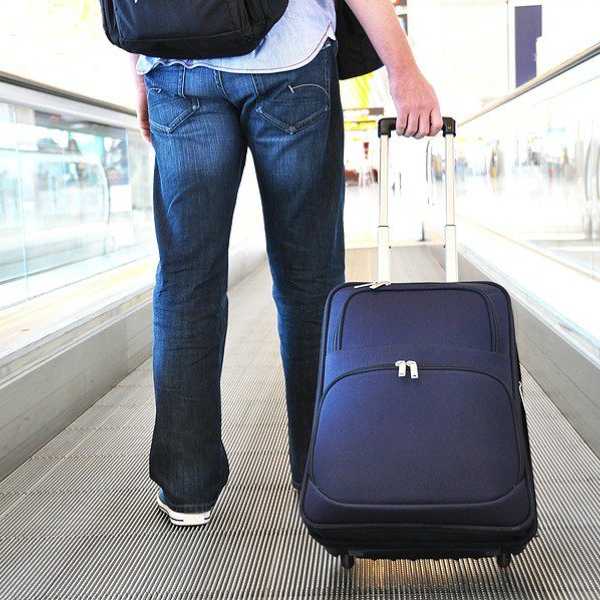
It’s not necessary to pack a new outfit for every single day abroad. Instead, plan to re-wear most items, pack one pair of shoes that match everything and leave room to bring souvenirs home. I packed for two weeks in Europe in a large suitcase, and I didn’t end up wearing half of what I brought. Pack lightly when it comes to pants and tops, but make sure to bring plenty of socks -- otherwise you end up having to buy some from the Monoprix down the street...
14. Step out of your comfort zone and try new things.
When experiencing a new city, country and culture, it’s important to be able to truly experience it. Try the food that the city is famous for, get on the crowded metro train, ask the locals for directions, try to use the local language. All of this and more will make the trip so much more worthwhile. Don’t be afraid to try something new.
15. Don’t worry about looking like a tourist.
No matter what, the local people can easily identify the tourists. That fact can’t be hidden, so don’t hesitate to sport a camera and embrace the city. After all, the probability of ever meeting these people again is slim. Looking back on the pictures, it is always so much better to come back with an SD card full of memories. Don’t regret the photos or the opportunities that were not taken.