I guarantee that you’ve heard this type of story before. The ‘I traveled to some third world country to [insert some act of kindness], and when I thought I was helping them they were actually changing me and now I’m telling a college admissions person about it’ story; but bear with me. I submit that this is different. This was not a ‘service trip’ or a ‘church excursion’, this was a legitimate effort to experience the world in its most simple form: family. Besides, I’ve already gotten into (and am currently attending) college, and I didn’t even tell them about it; so to hell with ‘em.
As someone who plays contact sports, cycles, eats absurd amounts of food, and has the dangerous tendency to accept far-fetched dares as legitimate challenges, I’m no stranger to some suffering. Although I’ve never (astonishingly) sustained a truly major injury, I constantly push myself to the breaking point both physically and mentally. This edge of the envelope is where I believe my intelligence is manifested, unlike my sister who actually succeeds in her school work or my father who is a brilliant (ancient, but brilliant) organic chemist and businessman. The suffering for this experience began essentially instantly, and it accentuated every lesson betrothed on my malleable psyche.
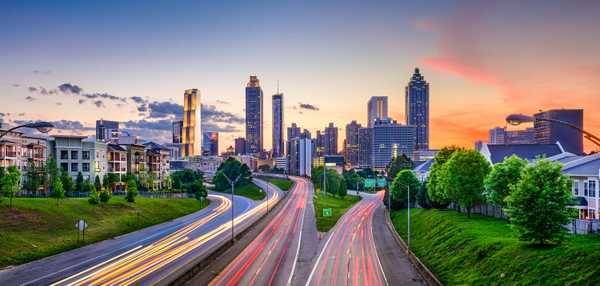
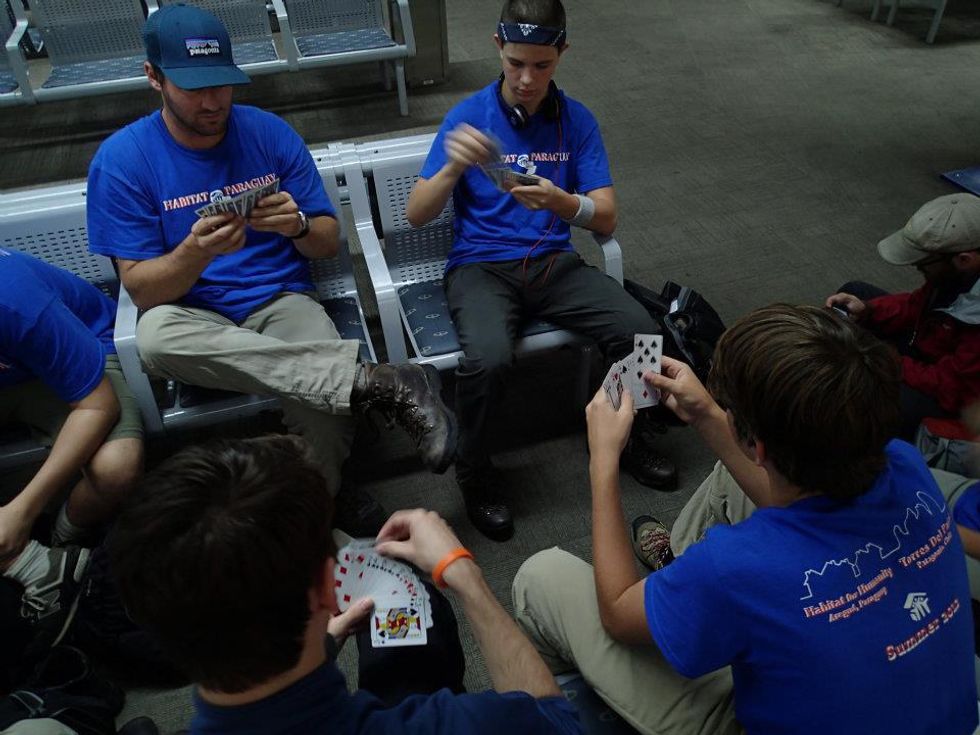
The Atlanta airport is an interesting place to be during a midnight layover. The bustling hub of both domestic and international travel on the east coast is an empty, barren ghost town, its fusion of cultures gone, and the cold steel walls darkening the harsh light of florescent bulbs lining the wide hallways. There are no grossly overweight people struggling with their luggage, and no people who stepped off an international flight six minutes ago trying to sell you a key chain or an “I <3 Georgia” shirt. The narrow aluminum chairs are not particularly conducive to sleeping either, so we stayed awake playing cards and musing about our inevitable gastric distress upon reaching the city of Asuncion, Paraguay.
Thirty jet-fueled hours later, I stepped into the heavy air of the landlocked, South American country. Piling both my person and my belongings into the back of an ‘old reliable’ Toyota pickup truck, the wind rustled across my freshly shaven head as we peeled out of the dingy airport parking lot. My boots were a little too big for my legs, and my head had strange tan lines from a summer of being covered with hair. It wasn’t my best look: channeling my inner adventuring suburban dad (minus the fanny pack, I was at least salvageable). The combination of these things along with my pale skin and blue eyes made me unmistakably American; and not the smoking hot hunk of man that I am now, while we’re at it.
The first morning was strangely normal. Waking up in the warm sunlight after a solid twelve hours of blissful shut-eye didn’t seem suffer-y enough. We went to get pastries, played ping pong on a makeshift table/net combo, and showered (by God!). This was my first experience with South America, doing ‘white people things’ with little Hispanic children; this was my first discovery of what it means to live in a third world country. No, they don’t have a television in three rooms. Yes, they give us bottled water because white people are weak and can’t handle the ‘bacterially diverse’ (as we called it) water that comes out of their sinks. No, the water doesn’t have to be fetched from an infested sewage dump. Yes, they live happily, just with less. I realized that Paraguay may not have material wealth or all the bells and whistles of Times Square, but it is very rich despite this. Communal engagement and the adoption of twelve “gringos” was an expected (and willingly undertaken) community service. And let me tell you, in addition, white people are needy as hell; I wouldn’t want to take care of white people.
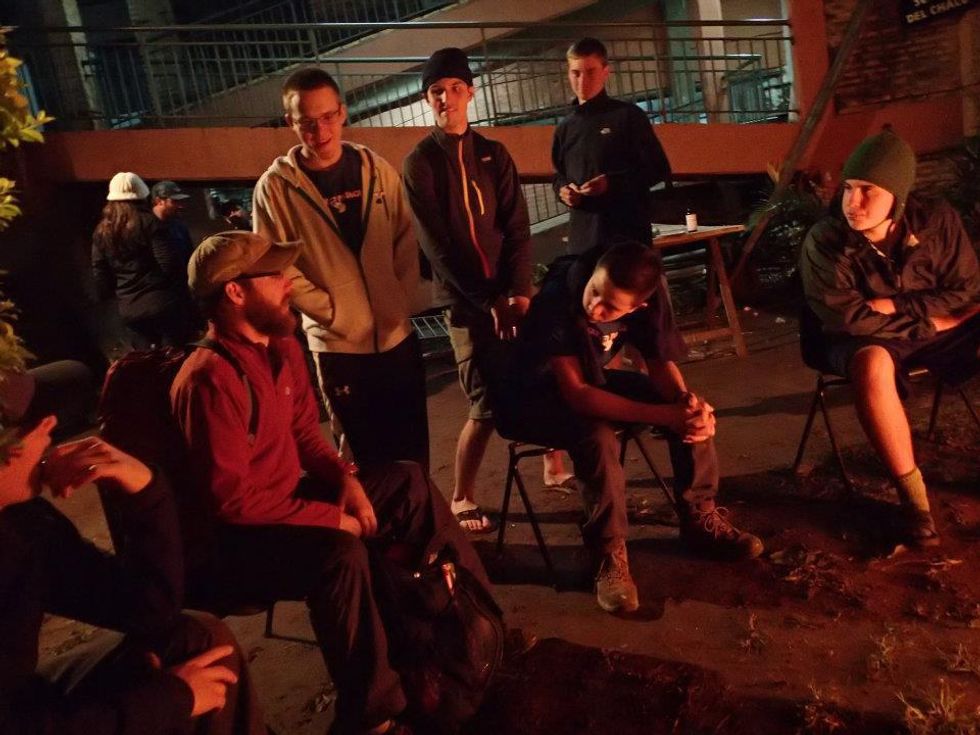
Family bonds and the bonds of friendship forged through hard work and hardship are tempered and strong, and there is no mistaking the obvious respect for those who have earned it with their words, strength, honesty, loyalty, or any other number of admirable traits that I invariably wished I had more of. In Paraguay, views on status are how they should be. The degree of one’s respect is measured by how much they can give and by how much they can affect others with nothing but their person, not by how much they have advanced in the business world or what they can pay for. “Being tight” with your local politician is not a sign of success, but adopting and celebrating the cultural diversity of twelve Americans is. No, they don’t “have much”, but they have a hell of a lot more than I could hope to find back north. Tell this to that Harvard hedge-funder you know, and watch him flinch behind his Ray Ban’s and excessive hair product. I promise his Cashmere-Wool blend will feel a little less soft, his monogrammed golf clubs will rust and be a little less useful than they were before. In an incredibly clichéd fashion, Paraguayans have not a Ferrari or a Mansion in Malibu, but rather what money cannot buy.
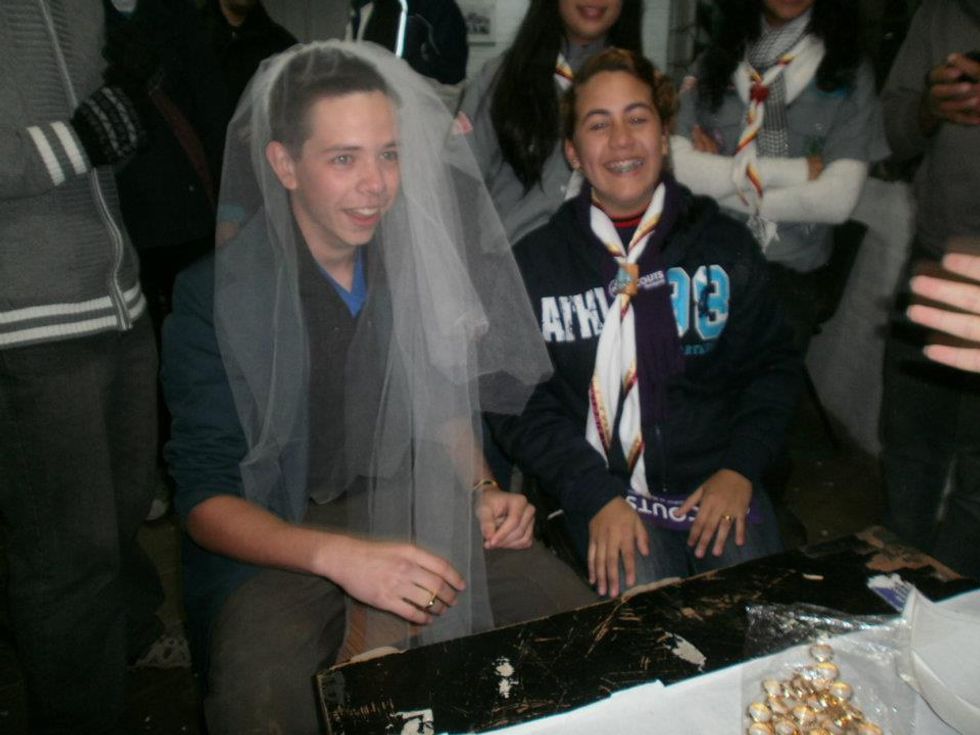
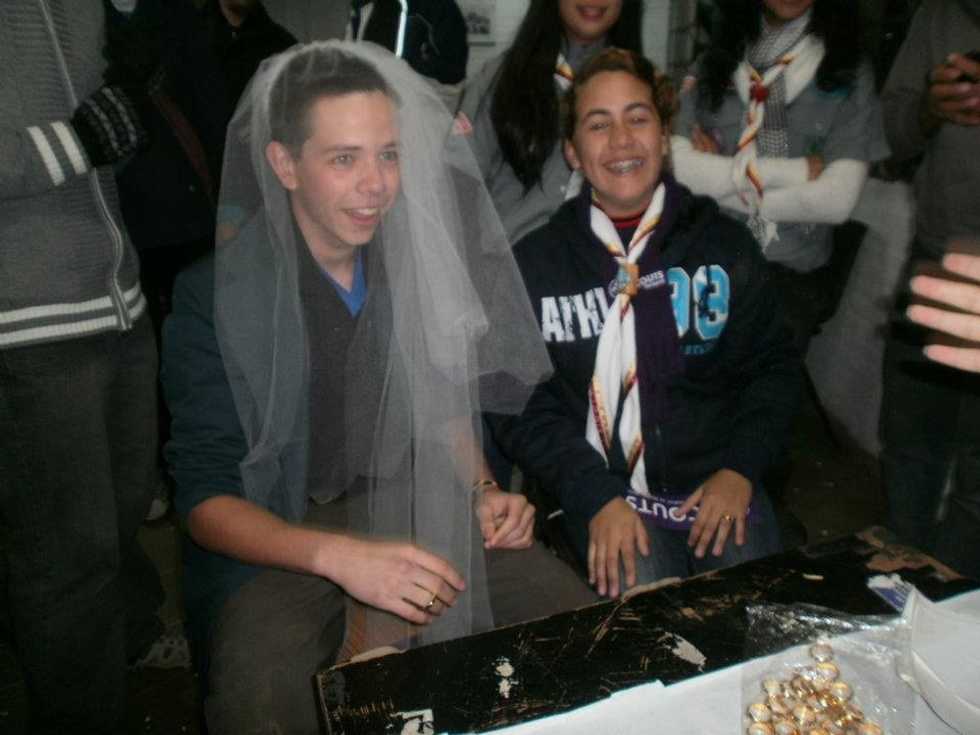
Oh, by the way, I may or may not have gotten married as the bride during this excursion. In the event that this hypothetical situation did occur (of which there is NO proof): Dad, I’m sorry you couldn’t walk me down the aisle, it was tender. Mom, remember to tell my sister that I inevitably made a prettier bride than she could ever hope to be.