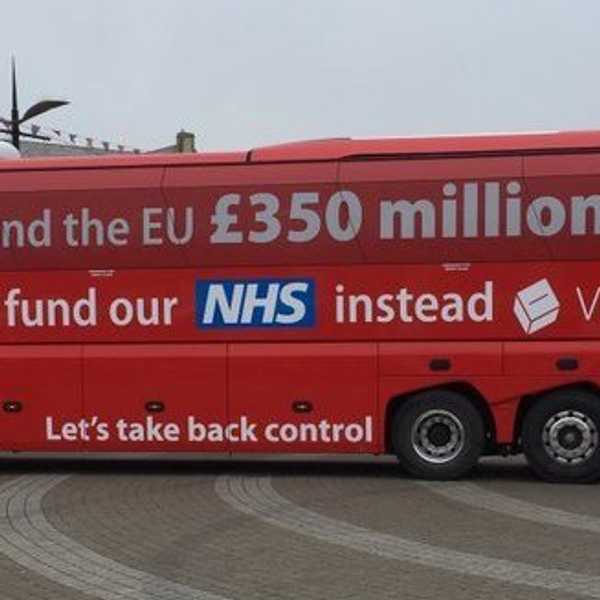
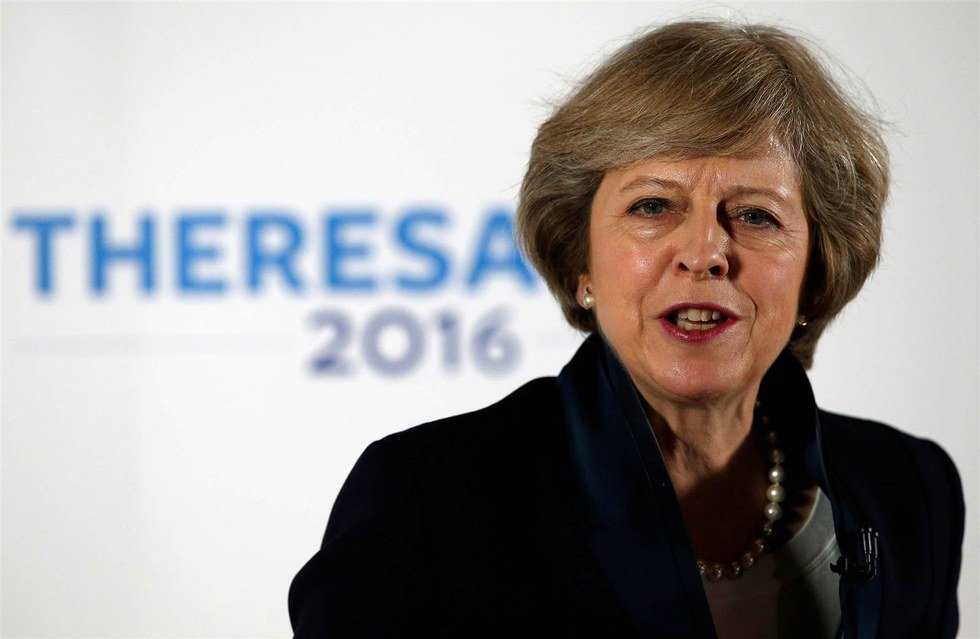
Ah, Brexit. The split between Britain and the European Union that sent the value of the pound spiraling, made a heck of a lot of British people angry, and invaded everyone’s Facebook feeds for 3 days whether they cared or not. Well, it's making waves again in the form of David Cameron’s promised resignation from the position of Prime Minister after Brexit followed through, and even more so through his successor. This most recent Wednesday was Cameron’s last day as PM, and that evening the reins were handed off to a lady by the name of Theresa May. Britain’s real political journey begins now.
Now, let me be clear, when I say this I don’t mean that Mrs. May will doom Britain as a whole and send it tail-spinning into ruination. In fact, both Brexiteers and Remain voters for the most part believe that May is exactly who they need in the lead position as things move forward. After all, May’s two most prominent political features have been said to be rigidity and a progressive mindset, both of which will be necessary with all of the uncertainty and gray area that Britain is about to face from Brexit. Numerous close friends also say that she’s been in desire of a high-rank political position as long as she’s been alive, and in a BBC radio interview her university friend Pat Frankland was quoted as saying that, ‘she [May] wanted to be the first woman Prime Minister and she was quite irritated when Margaret Thatcher got there first.” Clearly, May has wanted this for a long, long time.
The moment her term began, anyone who was worried about May being too cautious to take action was also immediately silenced. Within the first two days of Parliamentary action under May, all but 4 of the positions in the British cabinet had been either filled with a new face after resignation or just downright replaced altogether from the Cameron-led. There are 23 total spots in Parliament, so that’s a lot of change. Meanwhile, she also created a new position (Brexit Secretary, filled by David Davis), got rid of another (Department of Energy and Climate Change), and altered a position (the Department of Innovation, Business, and Skills is now known as the Business, Energy, and Industrial Strategy department) for the sake of changing times. May is trying to prove that she is anything but hesitant to pull the trigger on important decisions, and it seems to be working.
But let’s talk about that, her other cabinet members; THIS is where we may begin to see some dispute and eventual productivity problems. May has announced that she intends on trying to represent Brexit voters and Remain voters as equally as she can, and while this sounds like a good thing to do in theory, this very well may end up producing a situation similar to Obama’s time in office; a state of chronic disagreement which leads to very few decisions actually being agreed on and followed through with.
Also, problems may arise on the individual level. Amongst some of May’s new members are the names David Davis, Boris Johnson, and Liam Fox. Now, while all of these members voted to leave the EU, their motives for this are rather different, as are their personalities. Most potentially problematic would-be Johnson, who’s entered the political scene in large part due to heavy public support that few can understand and whose god-awful hairdo is upstaged only by his lack of political legitimacy (remind you of anyone?) With risky profiles like this appointed into influential positions in the Parliament, only time will tell how well May’s cabinet will function.
All of this being said, however, it really is up to May as to how things will play out as the oncoming wave of decisions, criticisms, and change casts it’s shadow upon Britain. What we do know is this: May is motivated, and knows at least to some extent where she wants Britain to go as they move forward. If her vision holds true, and May can continue to stay strong and steadfast in the face of the hectic months ahead, it’s highly unlikely that Britain will see anything but a gradual climb in stability and strength.
Then again, most referred to Brexit as highly unlikely.