Many people hear the word "feminist" and cringe. I’ve had siblings, family members, and classmates scoff at me, roll their eyes, and say “ugh, you’re such a feminist.” When you hear about feminism it’s mostly discussing women’s issues — not excluding men’s — just pointing out women’s and other minority genders. So when did it become such a derogatory term? Just because I want all genders to be treated as well as white cisgender men that makes me an annoying, man hating, bra burning person who wants to watch the world burn? I have news for you. You might want to sit down for this. I’m about to shatter the lie you’ve been living in. Ready? Okay here it is ... feminists are not annoying, man hating, bra burning people who want to watch the world burn! Groundbreaking! I know!

Many historians define the beginning of modern feminism in 1920 when the 19th Amendment was signed into law, granting all white women in the United States the ability to vote (which I expressed on March 1st, thank you very much). White women’s suffrage was known as the first-wave of feminism. The second-wave came in the 1960s and lasted well into the 1980s, focusing on legal equality. The third-wave was from 1990-2008 and expanded the topic of feminism to include a diverse group of women with a diverse set of identities.
In 2008, the fourth and current wave of feminism was created. Fourth-wave feminism is often associated with online feminism and using social media to empower and discuss gender equality and social justice. The internet has created a ‘call-out’ or ‘clap-back’ culture, in which sexism, misogyny, racism, and heteronormativity is challenged. While this wave continues some aspects of the third wave, it’s now brought it a step further to point out sexism and misogyny in marketing, film, television, literature, and the media. Besides online feminism, the fourth-wave has been associated with the increased focus on intersectionality. We’ve finally rejected trans-exclusionary feminism and we’ve begun to focus on merging feminism with other social justice movements.

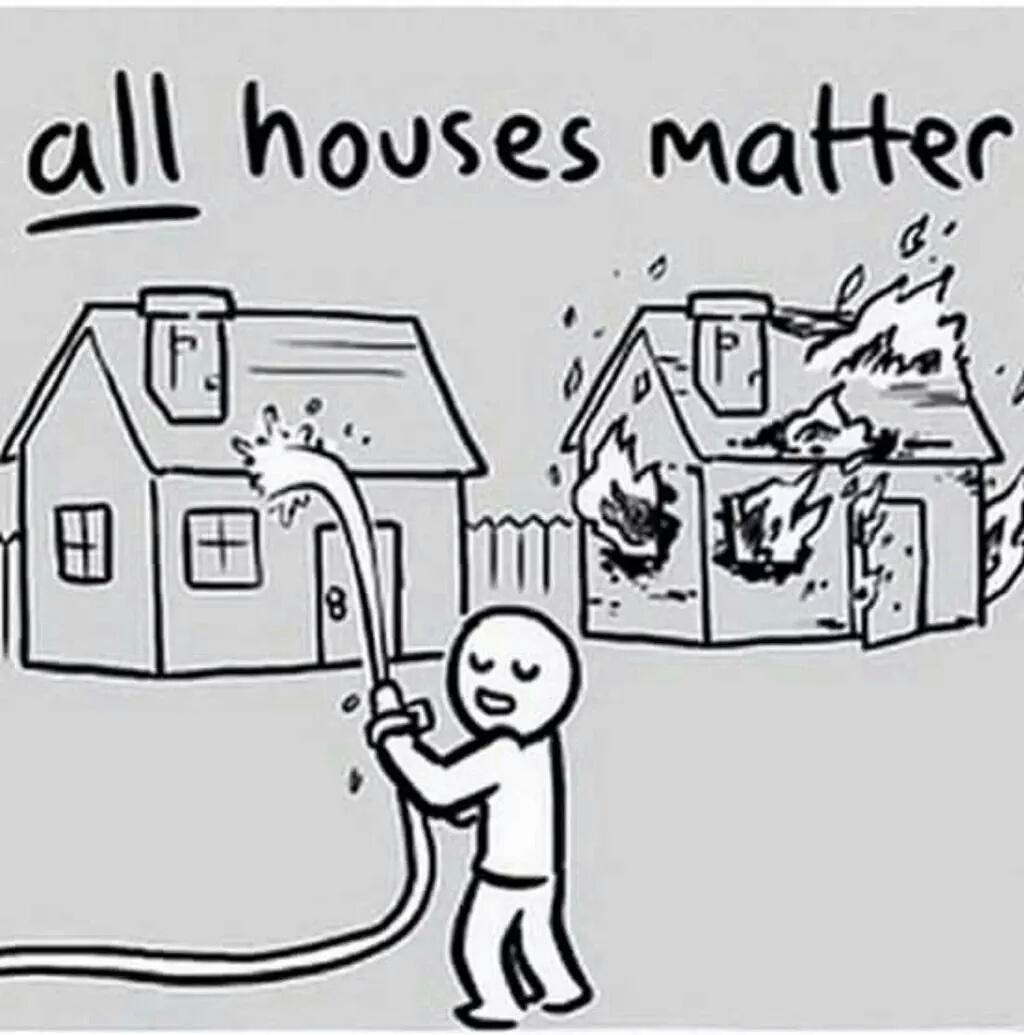
However, with great activism and constant calling-out comes great backlash. The word most people associate with feminism is misandry. To be absolutely clear, misandry is the dislike of, contempt for, or prejudice against men. This is not the same as feminism. We’ve witnessed this misunderstanding with the comeback of “meninism.” Meninism is not and should not be a mindset — men have had rights and are generally treated better than women and other minority genders. We see the same backlash with the #BlackLivesMatter movement. The hashtag #AllLivesMatter emerged in retaliation but the #BLM is not saying all lives don't matter just as feminism is not saying that male treatment doesn't matter. Yes you should believe men should be treated fairly, yes you should think all lives matter but not all men and not all lives are treated unfairly or are in as much as danger as women and people of color!
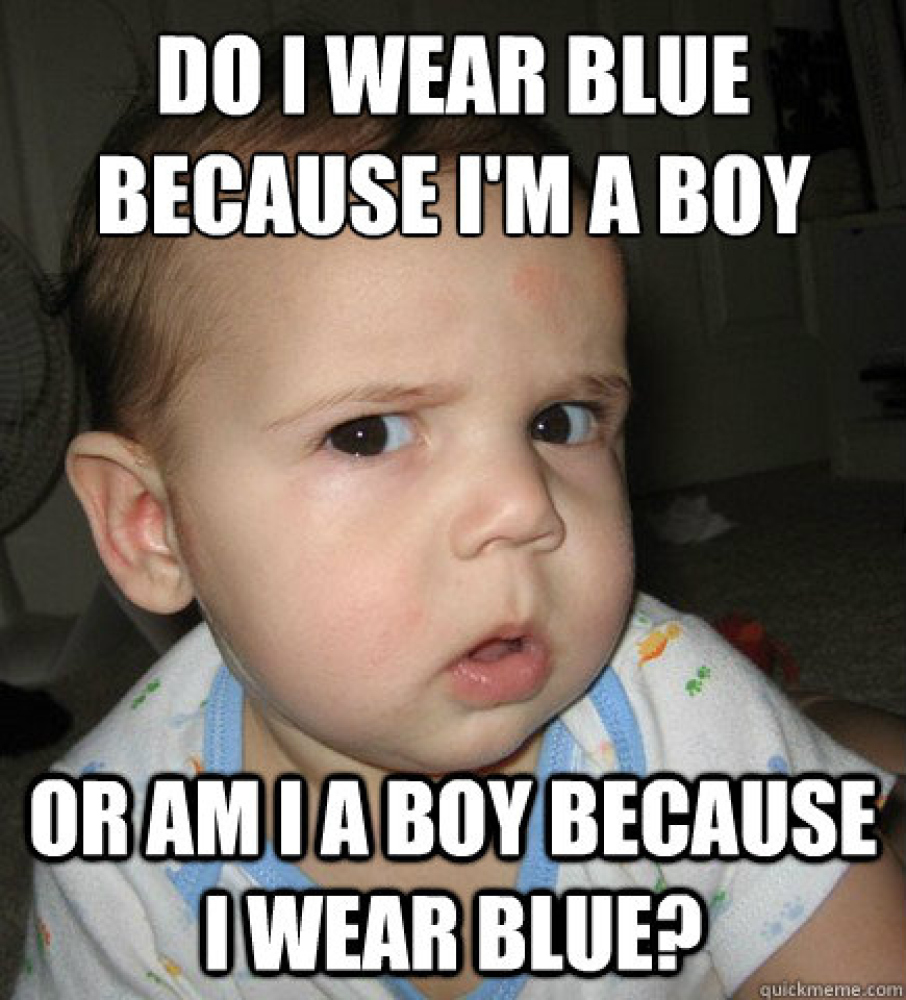
Gender roles are another modern day feminist issue. The earliest you’re exposed to gender roles or norms is as a child. Your parent’s either dressed you in blue if you’re a boy, or pink if you’re a girl. Boys are taught to be “manly” meaning they need to be emotionless, buff, strong, courageous, breadwinners who are generally good at construction. Women are taught to be dainty, thin (but not too thin — you need a big butt and bust), less intelligent, emotional housekeepers. Sound familiar? Yeah that’s the 1950s knocking — they want their ideals back. It’s extremely limiting and harmful to take people and force them into this box of what they’re “supposed” to be. Let people do what they enjoy and be into what they’re into without categorizing them.
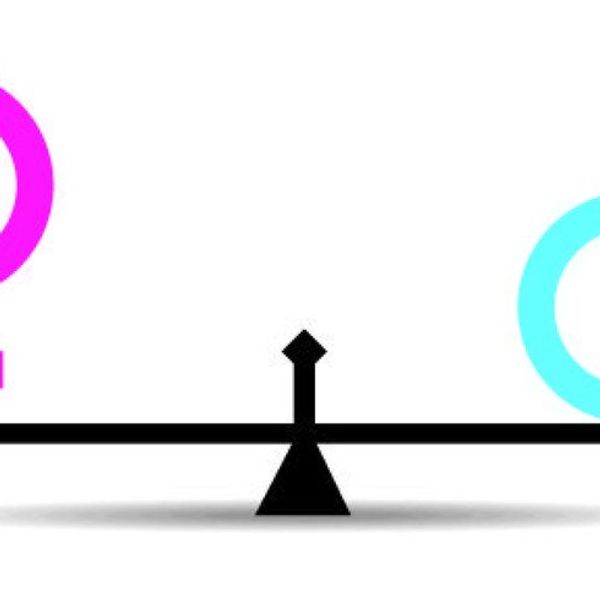
It’s time society redefines its perception of feminism. A current feminist believes that all genders (notice I didn’t say sexes — sorry Beyoncé) are socially, politically, and economically equal. Now, this is not saying that all people are created the same — everyone is different. Body types, sexual orientation, gender identity, height, hair color, nationality, etc. differs for each person. The important aspect to keep in mind is that while all people differ, they should be viewed as equals — as humans — not solely by their race or their gender. That’s also not to say don’t completely ignore one’s race or gender, because that’s their identity and that makes them who they are, but the next time you see someone and you make a snap judgement based solely on a physical appearance — learn from your mistake, correct yourself, educate others and repeat.
We’ve been raised in a society of constant sexism, homophobia, racism, ableism, classism and even ageism. It’s not a quick journey to liberate yourself and change your thoughts and actions and it’s certainly not easy. Be patient with yourself and you’ll be a more understanding and open person in no time! You might even call yourself ... dare I say it … a feminist.