Politics can be fun to observe and participate it. However, more often than not, it just winds up being a massive headache.
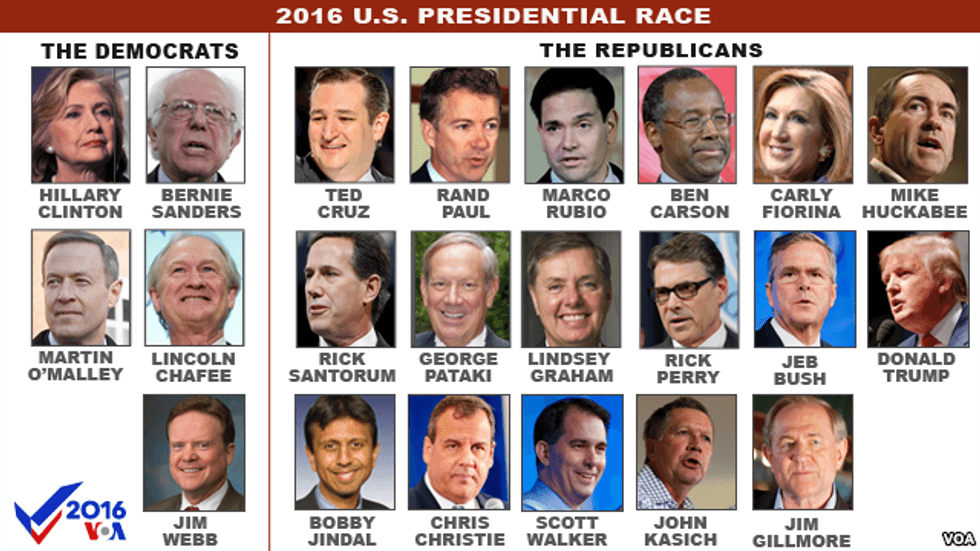
With the rise of ISIS, increasing race relations, and an economy still recovering from the 2008 catastrophe, the stakes for the 2016 election are very high. Anyone with a TV or access to the internet can see that Donald Trump and Hillary Clinton are running. But who are these people? Why should I vote for them? What the hell is a caucus? If you have no patience for politics but want to know what is going on, here are the basics of the 2016 election.
Political Parties
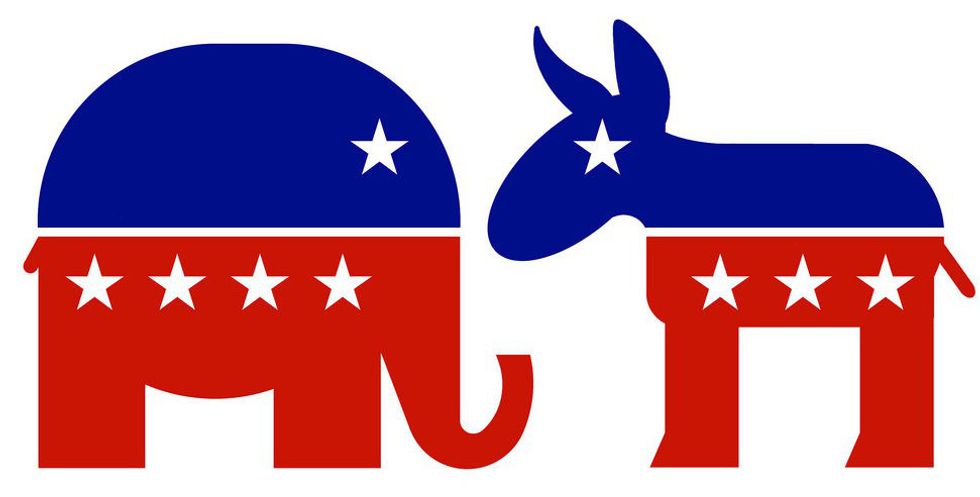 To start with, let's go over political parties real quick. Parties are groups of people with common views that try to get people into office and make laws. The two biggest parties are the Democratic Party and the Republican Party. To be brief, the Democrats are liberal and believe in things such as government involvement in the economy and other areas as well as progressive reforms to help minorities. Republicans are conservative and believe in cutting taxes and a strong national defense. Let's keep it as simple as that so I don't piss anyone off.
Primaries and Caucuses
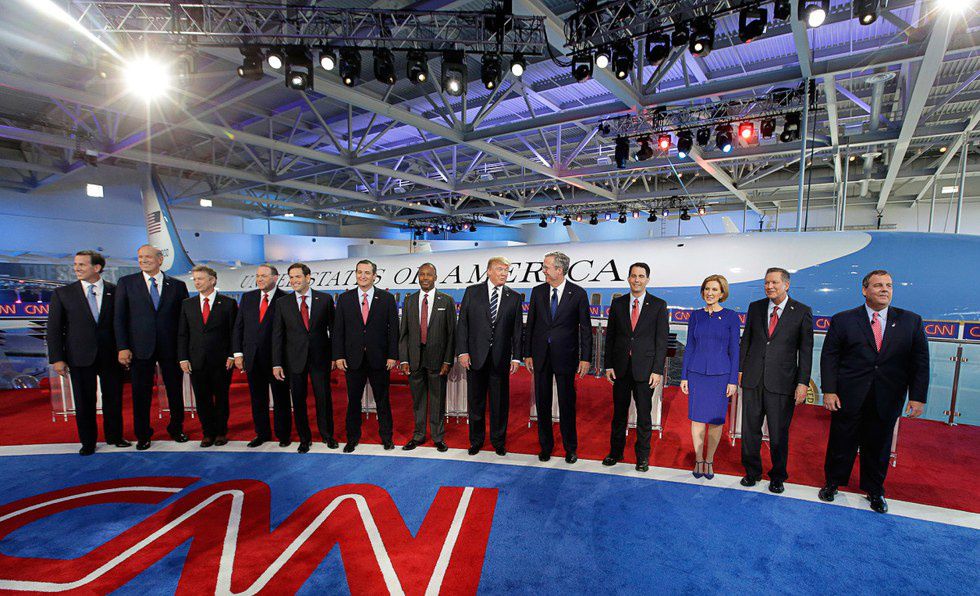
OK, stay with me now 'cause we're kicking it up a notch now. Each party decides who will represent them in the presidential election by holding primary elections. It's an election within an election, eleception. Each state and territory votes who from the party they want to run for president. States either have a primary or a caucus, one for each party. A primary, the way most states vote, involves people voting in secret for the candidate they support. Caucuses are community gatherings in which people openly debate who should be the candidate.
During the primaries, candidates from within each party will square off in various debates. During these debates, they answer questions, discuss policy, but mostly talk over each other and repeat themselves. These debates alongside campaigning within the states are generally how candidates make themselves known to voters.
The goal in these elections for a candidate within one party is to gain the most delegates, or the most people who vow to support them, which takes us to the next step.
The Convention
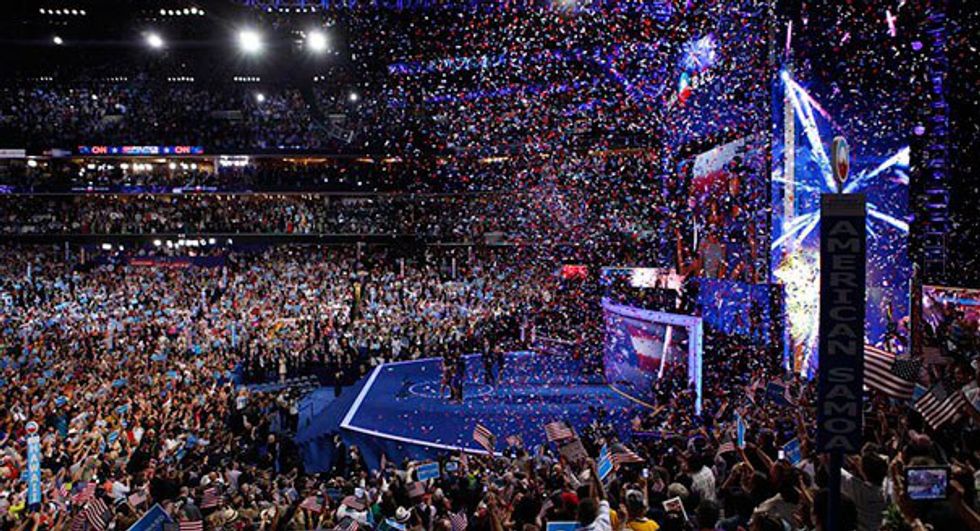
Once the primaries finish, the delegates head to either the Democratic National Convention or the Republican National Convention, in which they vote for the candidate of their choice. Yes, we vote for people to vote for us. That's the difference between a democracy and a republic, but that's a whole 'nuther conversation.
Also, this is where the elected candidate announces their running mates.
The General Election
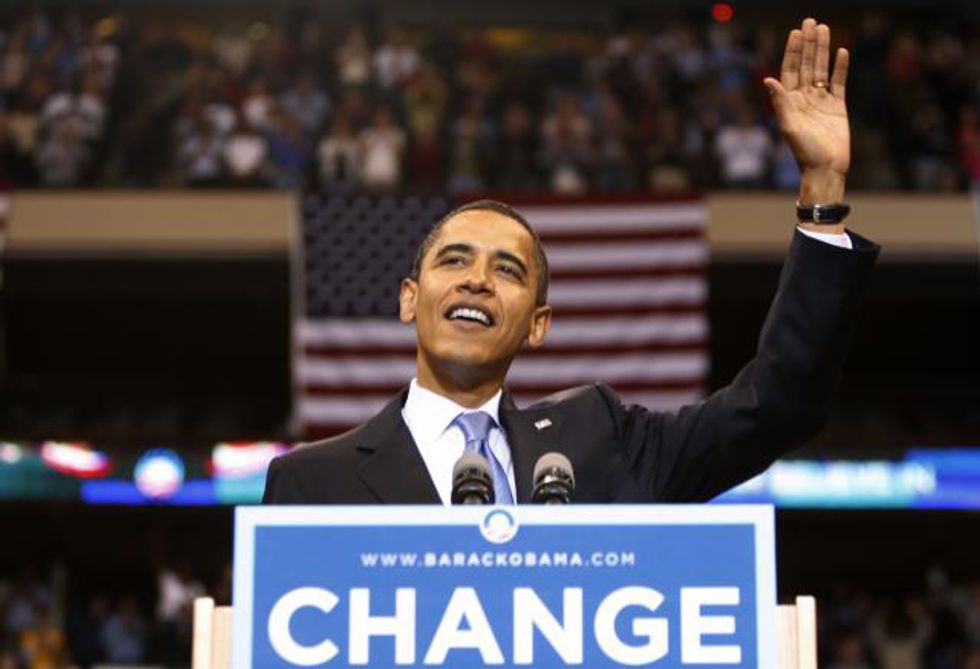
Now it's time for the Democratic candidate to face off against the Republican candidate. The two alongside their prospective Vice Presidents will run advertisements, campaign in states, and debate on another until Election Day in November.
Election Day and the Electoral College
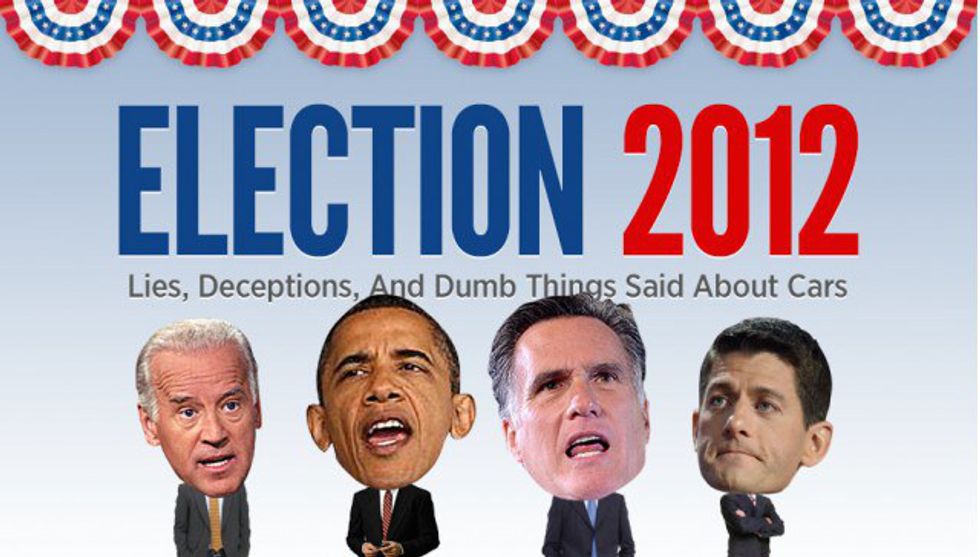
This is where it gets complicated again. Remember how I said we actually vote for people that vote for us? During the election, people don't actually vote for who they wish to be president. Instead, they vote for an elector, someone pledged to vote for a certain candidate. These electors make up the Electoral College. Sounds kind of ridiculous right? Most of the time, the actual ballots will say the names of the presidential candidates, but casting a vote for, say, Barack Obama is actually casting a vote for someone who will elect Barack Obama.
Each state gets two electors and then 3-55 more electors proportionate to the size of their population. In total, there are 538 electoral votes. A candidate needs a majority of 270 in order to win the presidency.
Isn't this bizarre and over-complicated you ask? You're absolutely right! But does it work? Yes, for the most part. There can be some discrepancies between who was more popular among the people as opposed to who was more popular among the electoral college, but for the most part they align rather well.
Those are the basics of the United States Election. Whether you think politics is too complicated, boring, or a load of BS, I encourage you to vote anyway. You can be the difference between having a Trump or a Clinton in office. There's still time. Please. I beg of you. Go vote.