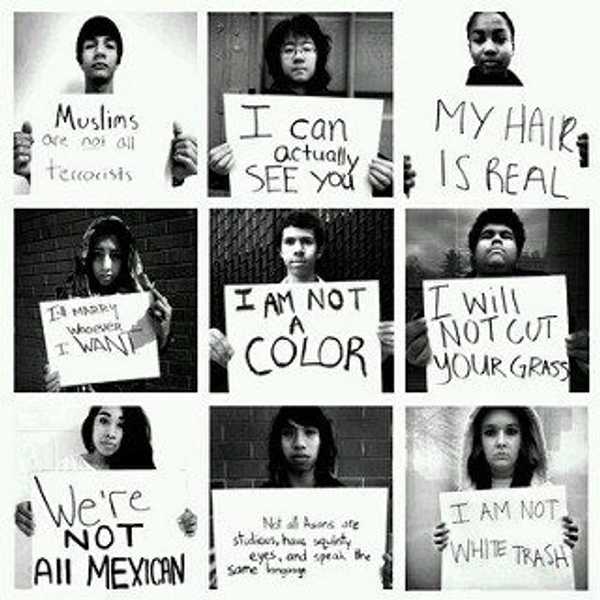
If I would have told you at the turn of the millennium that race relations would still be a major issue on college campuses nationwide, would you have believed me? The truth of the matter is that while racism is certainly not institutionalized the way it used to be, it still fully exists, and will most likely continue to exist far beyond our lifetimes.
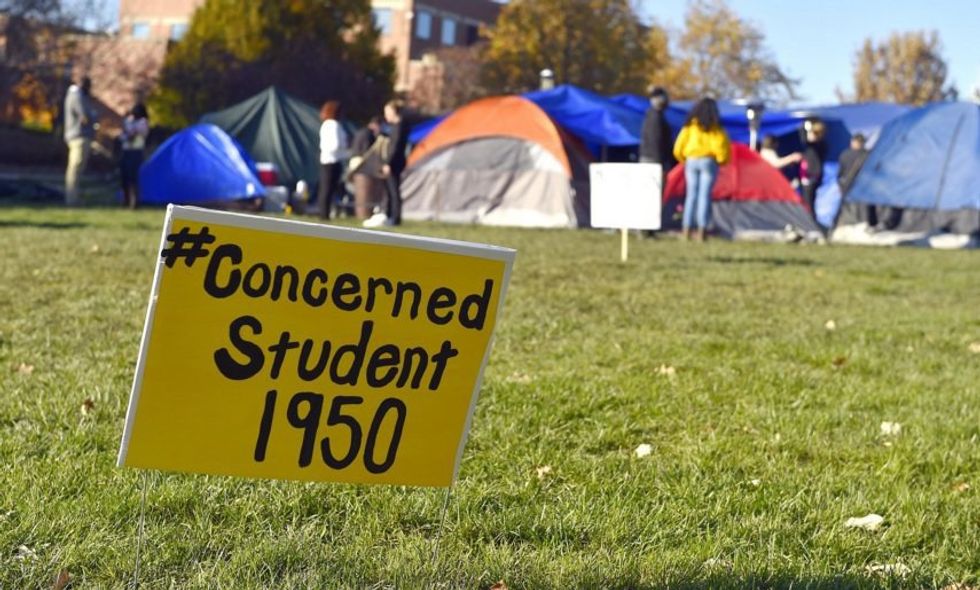
When I first heard about the ongoing racial tension at the University of Missouri, I started some research. I wanted to believe that University students did not experience any legitimate racial injustices, and that the protests were due mostly to misinformation and possible extremism. Unfortunately, I found little to satisfy my hopes other than interviews with Donald Trump and Ben Carson. Trump's interview can be summed up by his quote, "Trump should have been the chancellor of that university."
Although I didn't find much on how the Missouri administrators were responsible for fostering an environment conducive to racial injustices, it may be fair to say that if you're not heading in the right direction, you're heading in the wrong direction.
I also have no problem saying that racism is a real and relevant issue in society today, but I do have a problem with the way it's framed in the media. Like activists for many causes, any relevant occurrence is publicized as evidence without context. In one article listing Missouri students' encounters with racism, one girl recalled hearing her white roommate blasting a rap song while reciting the lyrics which included a racial slur, as many rap songs do. There are other instances mentioned in the article which certainly validate the movement, but the rap song incident is not one of them.
Personally, I avoid certain racially charged words as much as possible, but if it's in a song, you have to expect that listeners of all races are going to sing along. Although this is just one instance, it's representative of the mindset of many who, in an attempt to generate as much publicity as possible, damage the credibility of an otherwise completely valid and relevant movement.
The unfortunate reality of trying to understand the perspective of racial minorities is that since I am white, I can't, and won't -- at least according to those who support the movement so vigorously.
The discussions surrounding the issues are relatively one-sided, especially on college campuses. Whereas, college campuses used to be a breeding ground for tolerance and the spreading of new ideas, they are now the site of vicious political rallies that often seek to suppress opposing viewpoints rather than sway them. I firmly believe that racism is a relevant issue, but I definitely don't believe that the strategies used today are going to solve the problem.