White.
Male.
Wealthy, stable, intact family.
Suburban life.
Privilege.
It’s become a dirty word, a loaded reference, a talking-point and argument-starter on social media platforms, at presidential debates, and at Thanksgiving dinners with extended family. And as two sides of the privilege argument raise their hands to do battle of words, the concept loses meaning, loses force, and becomes lost in examples and counterexamples of privilege and a lack thereof.
Sometimes, it is tempting to give into the talking points and arguments coming from those who deny the existence of white privilege, of male privilege. I’ve had rough times in my life—depression, anxiety, losing loved ones, insecurities—and so it can be easy to rationalize with myself and to convince myself that while these privileges do exist, I do not benefit from them. After all, I know that there are many white people in this country living in abject poverty. I know that men are raped and abused as well as women. I know that at times there can be certain benefits to belonging to a group other than white men.
And yet, I also know that white male privilege exists and cannot be ignored. I have never felt like a victim of prejudice because of the color of my skin or my perceived gender. I have never felt like I couldn’t trust police officers, or that I have been mistreated because of racial stereotyping. I know that if I am turned down for a job, it is due to my lack of qualifications or abilities, not due to the color of my skin or the “blackness” of my name. I do not feel afraid to use restrooms alone. If I am told that I am argumentative, I know that it is because I am, not because I am a woman with an opinion.
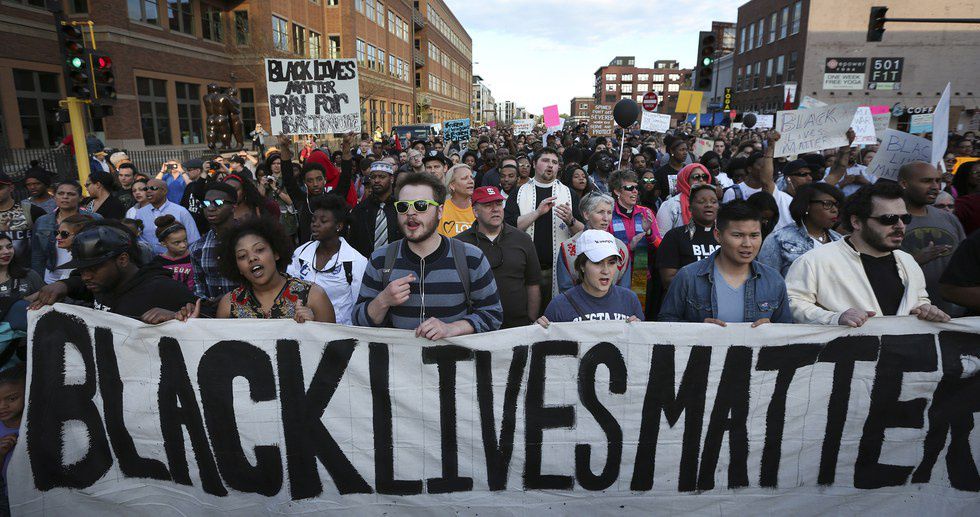
Sometimes, if I take a cursory glance at my own life and see the obvious existence of my own privilege, it can bring with it a feeling of discomfort. Why should I benefit from a system that disadvantages so many and give power to so few? Perhaps this same discomfort is the reason that privilege is so often denied. Often, a recognition of white privilege can be interpreted as a verbal assault or a claim to an easy life. Too many people would rather deny the existence of their own privilege than deal with the root causes of a skewed system that creates privilege.
This feeling of discomfort is not necessarily a bad thing. Concurrently, benefitting from privilege does not make a person a bad person. For those that benefit from privilege, privilege should simply be an eye-opening moment to see the benefits of it and to understand the negative impacts of sexism and racism. Instead of privilege being viewed as an accusation to attack those that benefit from it, privilege should instead be a calling to do something about the way that our society establishes and propagates privilege.
I am uncomfortable with my privilege because I understand what it says about the society in which I live; I am uncomfortable with my privilege because I recognize that it brings with it a responsibility that I have not yet fully fulfilled. And yet, this responsibility is one of the major driving forces of my life: as a white male who benefits from institutionalized racism and sexism, I have the opportunity and obligation to create change in society.