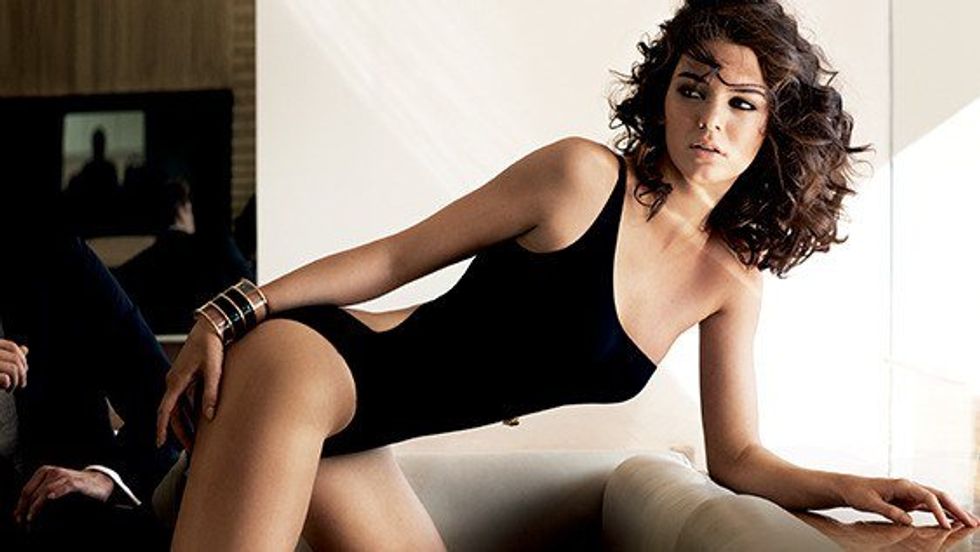
Girls, we have all been there. You are scrolling through your Twitter feed or flipping through a magazine and there, staring deep into your timid soul is a majestic, giraffe-like creature, hunched over flawlessly in her Calvin Klein underwear. If your mindset is anything like mine, seeing pretty pictures of Kendall Jenner, Gigi Hadid or some other hot supermodel is not as empowering or confidence-boosting as the fashion and marketing industries claim it to be. I look at these photographs and I notice the features I don't have—the long legs, the tiny waists, the perfect skin. Obviously, our world has specific beauty standards that cannot be realistically met. After taking a class in Media Communication, I began to see women in advertising in a completely different light. When you take a look for yourself at the portrayal of femininity in media, it is not difficult to see its true goals and effects.
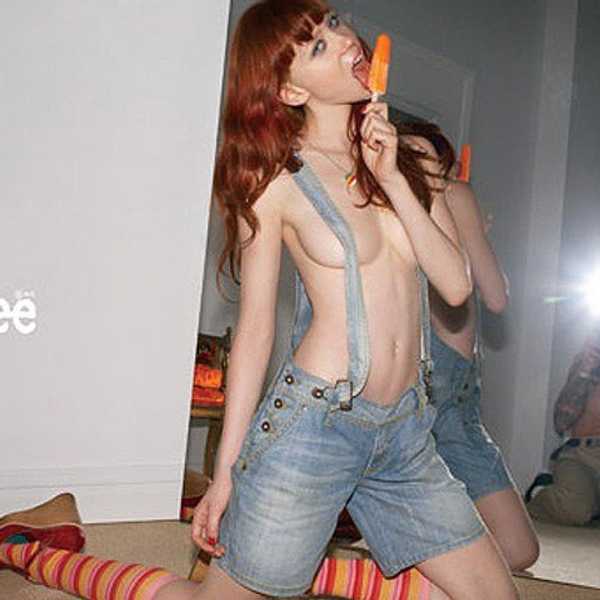
There are so many different body types, skin colors and uniquely beautiful pieces of women and yet only one look is plastered on the walls of society. But this effect goes farther than just making girls feel like they need to fit this perfect, paper doll outline. In the world of media, there is a larger problem than pressuring women to conform to society's standards. Many of these expectations do not stem from women themselves but from a dominant male gaze. It is an unfortunate truth—one that is often hidden—but this male gaze is obvious in all of our media. It is not the women who want every part of their bodies on display in seemingly submissive manners. It is not the women who want money and liquor showered on them in rap videos. It is not the women who want to be seen as nothing more than weak, powerless sex objects. If the world operated under a feminine gaze, girls would not feel ashamed of themselves when seeing the models in the photographs; they would not feel the need to sexualize themselves. If the media's gaze was completely gender-neutral, the pressure to look and act a certain way would be alleviated.
There is an ironic juxtaposition in the world of media that tells girls to be themselves, to have confidence and beauty without the makeup or designer clothes. At the same time, the defining factors of confidence and beauty are too narrow to ever meet. Love yourself, but be a size two. Have confidence, but get rid of that acne. Most importantly, meet the needs of the masculine in order to feel your own worth. That's pretty paradoxical if you ask me.
Growing up, I watched "America's Next Top Model" (way too much) and considered Tyra Banks a mastermind in the world of fashion. She taught her girls how to "smize," "booty tooch," and elongate their limbs to create powerful photographs. She made the world of modeling seem like an incredible art form, but not once was it about self-confidence or empowerment. Yes, modeling is a business strategy designed to sell a product. But what does that say about the consumer if even the models are conforming to a certain image? The art form is lost when every photograph must meet a strict standard.
So what impact does society's standard truly make on women? Because we begin to see media from an early age, young girls worry about the way their bodies look because it's considered the only form of acceptance. Because it is impossible for us to all fit this specific beauty standard, girls walk paths that lead to eating disorders, depression, and anxiety.
The objectivity of women in media is still a powerful part of our society, but beauty campaigns from companies, such as Dove and Aerie, are helping open new doors to body positivity and self love. The Dove Campaign for Real Beauty focuses on creating "a world where beauty is a source of confidence, not anxiety." The Aerie Real Campaign works similarly to promote natural beauty by refraining from photoshopping their images. These steps in advertising to promote individuality let girls know that it is okay to look different. Movements like these could lead to a new wave of empowering media, an outlet that seeks to promote acceptance of difference. We need a society that promotes positivity, a world that seeks to uplift and inspire. Remember that you are beautiful despite the media's narrow definition; you are beautiful because you are real.