

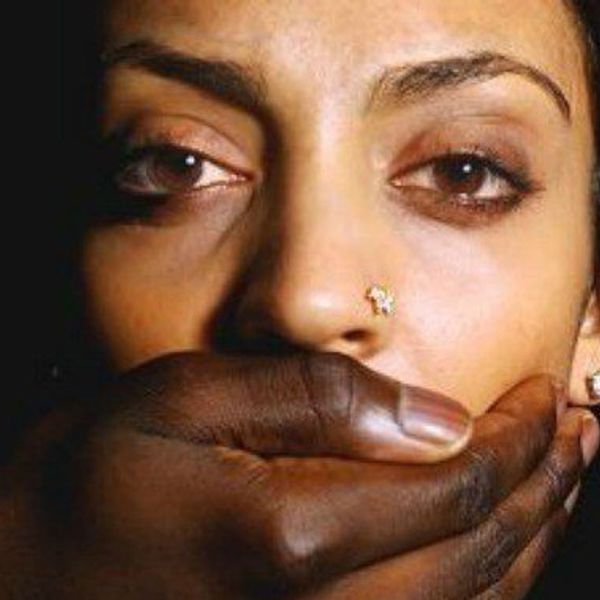

It seems endless. Pouring over documents, attempting to find the truest information that exists pertaining to sexual assault and rape. Each page read is dense with stories of survival, of resistance, of despair and outrage that emerges from our collective failure to refuse the cultural conditions which produce epidemic levels of sexual violence.
According to George Mason University, Worldwide Sexual Assault Statistics, one in three women will be sexually assaulted in their lifetimes. About one in five will be raped. This is the most widely accepted statistic but with only 16 to 32 percent of assaults being reported to the police, this may be not be completely accurate.
The chances of being targeted increases the closer in age to the general college population the person is, although on campuses a non-student is at greater risk, and in rural areas it is twice as likely a non student will be assaulted. The likelihood of being the victim of sexual violence increases for people of color; when discussing the ways in which sexual violence is produced, it is crucial that our analysis be intersectional - which means looking critically at the way in which race as well as gender render populations particularly vulnerable to systemic sexual violence.
Although black men are historically and presently narrativized as perpetrators of sexual violence, and media outlets characterize them as inherently more disposed to violence, there remains an astonishing failure to thoroughly interrogate the ways in which race and racism structure the sexual violence epidemic. Individuals who identify with the LGBTQ community are face a staggering likelihood of experiencing sexual violence that is almost twice that of their straight counterparts, but even this data is lacking if not coupled with a racial and class analysis - one that speaks to the experiences of LGBTQ low income and/or people of color.
In America, it's assumed that sexuality and a certain level of aggression are linked. Oftentimes bruises are left from the night before - sometimes worn in pride and sometimes with shame. Jokes pertaining to choking people out during sex or my personal favorite (which I overheard in class the other day) “ It doesn't matter if she gets off, I'll do what I need to do and then she can leave if she's unsatisfied.” Why is our sexuality so interlaced with violence? Why is violence sexualized, and why is sexuality understood as inextricable from or necessarily involving violence?
The reality of the situation is horrifying. But it isn’t as if we have people walking around college campus on the prowl for victims; or rather, the “stranger rape” narrative whereby an unknown man in an alleyway perpetrates serial rape against random women caught in his midst cannot possibly account for the reality of sexual violence. Many if not most of the individuals who commit rape and sexual assault on college campuses do not do so knowingly -- which is to say, we are so severely lacking healthy, consensual models of sex that rape has been normalized. It has been normalized to such an extent that it is difficult to differentiate between behaviors that are completely unacceptable and inherently violent and those that are a clear sign of a larger systemic issue and are subconscious. This normalcy must end. It should not be normal for a person to have to heal themselves throughout their life because this of this trauma, but it is. Sexual assault, rape and the linked ideals embedded in our culture need to change.
















