
With the 2016 Presidential Election honing in, it seems as if politics are all anyone wants to discuss. Both CNN and Fox News are going haywire with insight on the nominees and their strategies, and avid watchers are quick to defend their favorites in personality and policy. Rallies are being held in town halls and university courtyards, with celebrity guests and giveaways to excite the audience. But what is it that we base our political knowledge on?
A lot of people would credit their parents -- either the desire to be different or the bandwagon effect, the constant bureaucratic babble from Mom or Dad shaped the way we look at economic and social policy. And I am not saying that foundation is bad, per say. It is important to know where you came from and on what basis your household was built for the first 18 years of your life. However, political expertise should not be myopic, or one-sided, but based upon multiple viewpoints and a variety of sources.
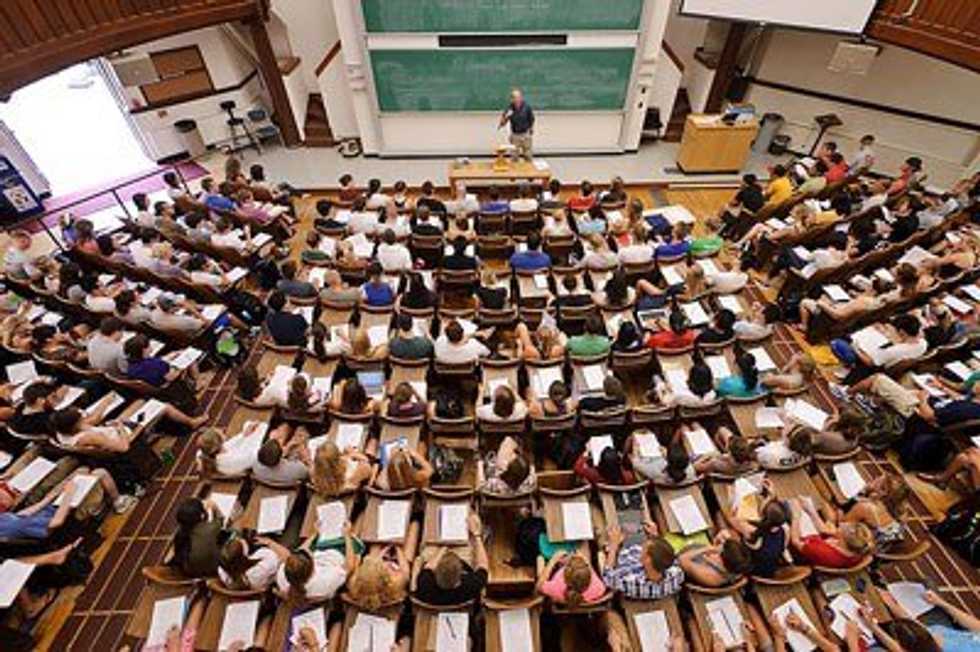
We see this half sided approach to politics in academia all the time. While not explicitly stated to students, a professor’s political opinion is often clear based on the subject he or she is teaching, or the way in which they express themselves on certain topics brought up in subject matter. Because of this, and of the high-standing place a professor’s credibility holds in a student’s mind, the viewpoints of masses are easily swayed one direction without their owners even noticing that a change -- or solidification -- is taking place.
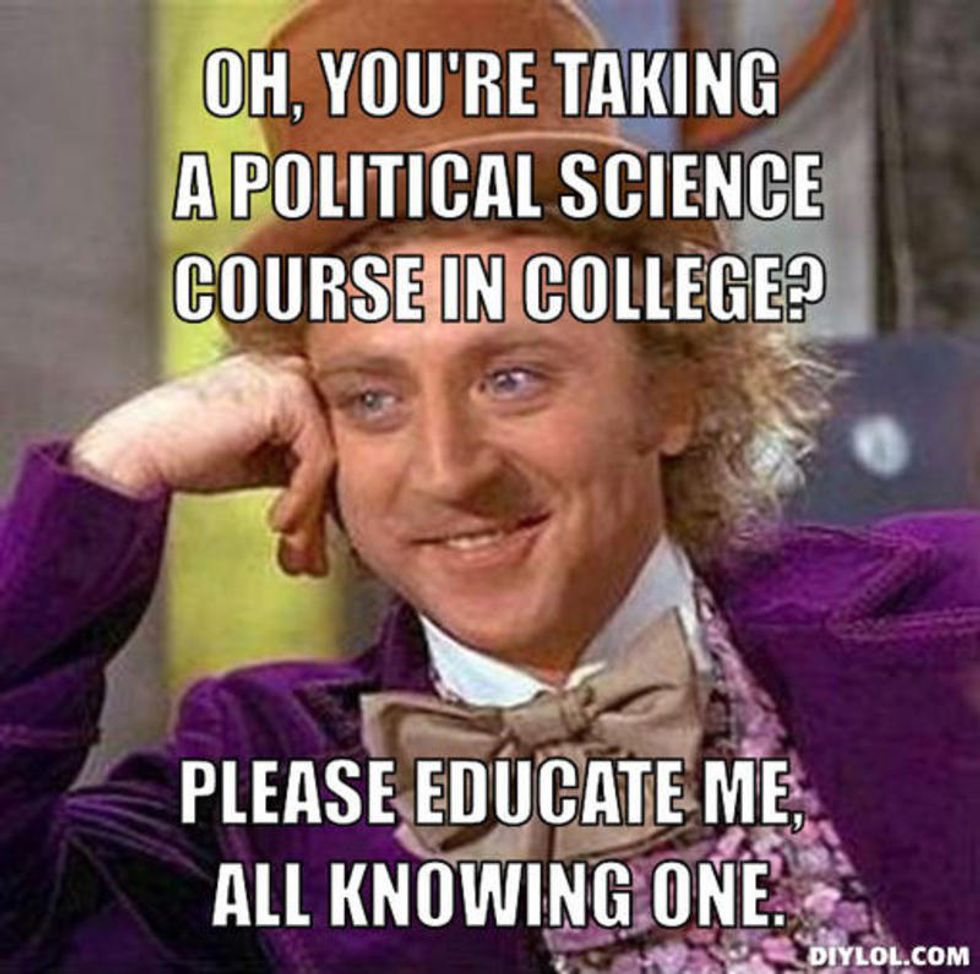
Perhaps instead of the academic equivalent of the military’s “Don’t Ask Don’t Tell” policy when it comes to professors' government stance, young minds would be better suited with a collection of courses where both student and teacher would be able to speak freely of their opinions and knowledge of political policy. Not only that, but also be able to learn the principles behind each political party from those who uphold that point of view.
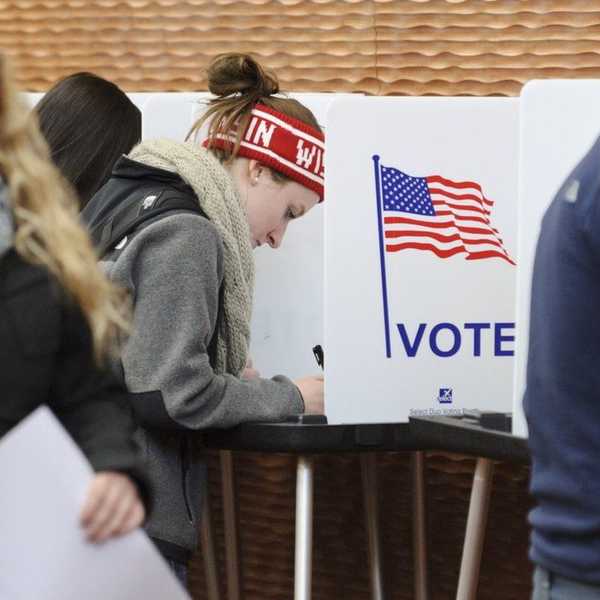
If each political ideology was presented with equal enthusiasm and knowledge, then the responsibility of how a student feels about their government truly falls to the student. Young voters would be able to take courses to learn the pros and the cons of liberal and conservative doctrine from one of their own, rather than those of the opposition using bias, libel and slander to try to persuade open minds. This could instill a state of tolerance and understanding between members of opposite viewpoints, unifying them through their similarities rather than tearing each other down out of ignorance.
While the outcome may or may not change, the quality of students' convictions would be much deeper than just regurgitating information that a single professor spewed. There is a major difference in being told what you should think and believe, and being able to come to your own conclusions. This is not only true for politics, but for all aspects of life. If this generation was educated in a more fair and balanced manor, the quality of their decisions would not only be more self-fulfilling, but would be given more credibility in society. This alone would bridge the gap between the views of aging generations and those to come, ensuing more confidence in the continuation of true democracy.