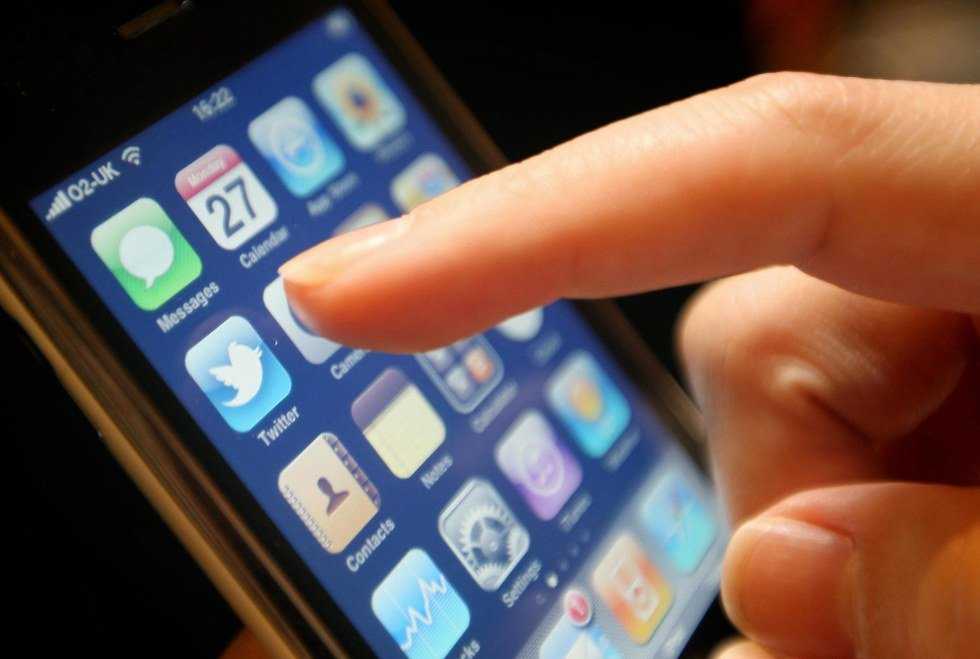
On the 8:17 a.m Metro North train to Grand Central, I scrambled to find my iPhone hiding in the depths of my bag. If it wasn’t for the blaring and definitely scary alarm that even awoke the passenger next to me, I wouldn’t have been able to find it. This was just the type of notification that millions of New Yorkers were not expecting to hear during their morning commute. It was scary, nerve-wrecking and New Yorkers were actually on edge. But what exactly were we supposed to be on the look out for?
For those of you that don’t know, government officials sent out an alert to every smartphone in the greater New York area. This alert included the name and age of the suspect in charge of the recent bombings in Chelsea and in New Jersey. There was no contextual information or any inclination of forthcoming danger, we were forced to resort to Google and the rest of the media for further information. New Yorkers were basically forced to look out for anyone who fits the name "Ahmed Khan Rahami," wondering whether or not he was one of the young men sitting on the subway.
This alert alluded to the one of the issues we currently face in our country; those who simply appear Muslim are constantly harassed and discriminated against. This was the first time that an emergency alert was used as a "WANTED" poster in New York. Although the name is better than a vague description, we still had extremely little information to work with. By using the mental image we have of young men typically associated with the name posed as an unfair and extremely dangerous situation for many innocent men.
Before we jump to conclusions, we first have to look at the alert's technical design. These emergency alerts are not intended to provide explicit details, they provide less than a quick synopsis and have a maximum character count of 90 with no images or hyperlinks. The main purpose of these alerts is to quickly make people aware of their surroundings and to advise them of who is being searched for in hopes of finding the suspect.
The purpose of these alerts is completely understandable, but this was the worst blast to be sent across the greater New York area. It's quite shocking that those in charge didn't think negatively about the repercussions of sending the entire city into a
"Sherlock Holmes" operation on the basis of single name. Yes, it's the nature of the source but something has to be done to fix this problem. Although the image was not included, it was released to the public via social media before the major's office released the alert. It was our job to do the extra research, but many of us didn't. It is truly difficult to understand whether or not this alert was wise to send. We have to consider the risks it posed and whether or not eventually changing the system would be beneficial or not.