


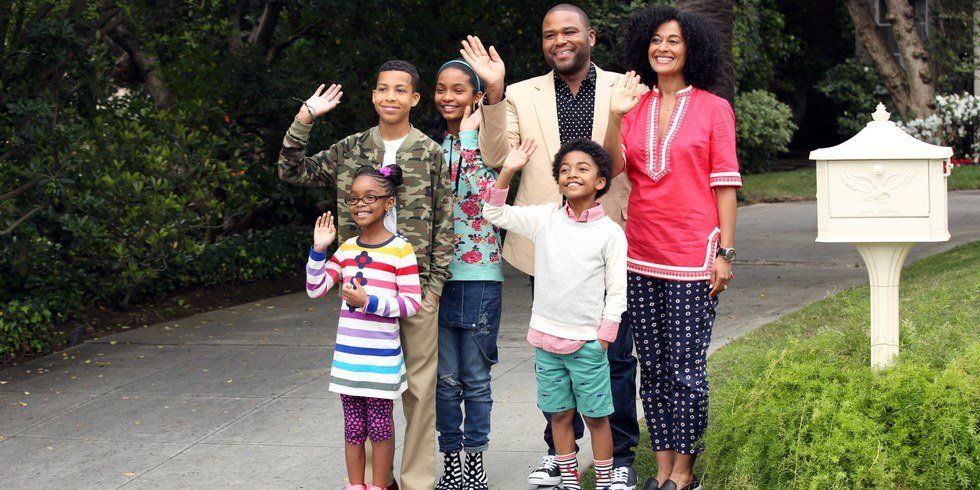
When you think about the classic sitcom family, maybe you picture the Tanners of "Full House," or if you have more of a taste for the '50s as only the '70s could write them, you could be thinking of the Cunningham family of "Happy Days." If you pictured either of these, it could be that your view of America's television family is a little out of date. It has been 42 years since "Happy Days" first hit the screen, and whether you'd like to deny it or not even "Full House" is reaching its 30 year anniversary.
While we still have our family sitcoms with the same old story of the little brother bugging his older sister and the first dance anxiety, the sitcom as we know it has finally changed with the times.
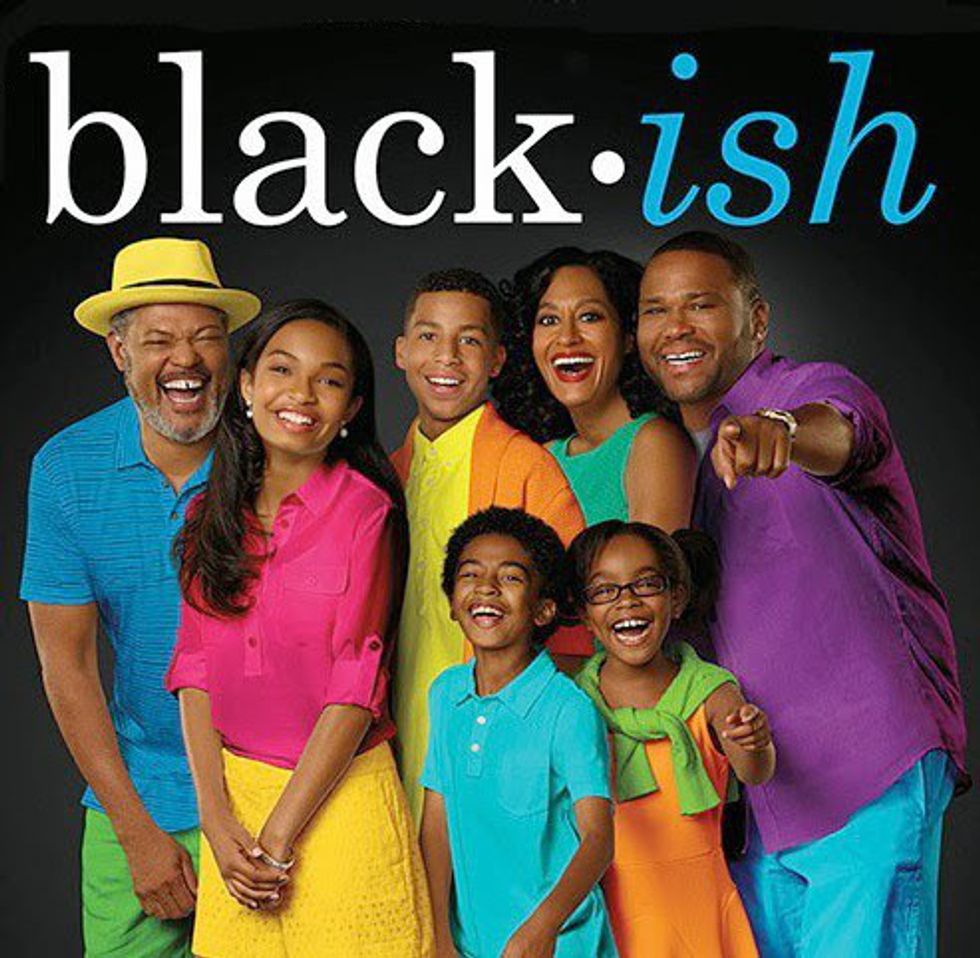
ABC, the same channel that brought you "Modern Family," has been releasing quite a few shows with diversity well addressed. On such shows as "Black-ish" and "Fresh Off the Boat," we see examples of racial diversity that are well needed and refreshing in an age where white actress Scarlett Johansson is casually cast as a Japanese character. The inclusion of diverse characters doesn't just stop at race either. ABC's show "The Real O'Neals" tells the story of a gay teenager who has just come out to his Catholic family.

By writing stories about a diverse cast of characters, ABC has opened the gates to a diverse set of stories. While the sitcom tropes of life advice from pop or a lesson learned after a big mistake still make appearances, they come with a new twist and a dash of reality.
In one episode of "The Real O'Neals" titled "The Real Grandma," protagonist Kenny O'Neal faces the judgment of his unaccepting grandmother after he comes out to her as gay. Kenny's mother is not helpful at first, as she believes her relationship with her mother is strained enough already without discussing her gay son and making things tenser. However, by the end of the episode, Kenny's mother confronts the homophobic grandmother about her actions. She also apologizes to Kenny in a tear-jerking scene, where she asks if coming out was scary for him.
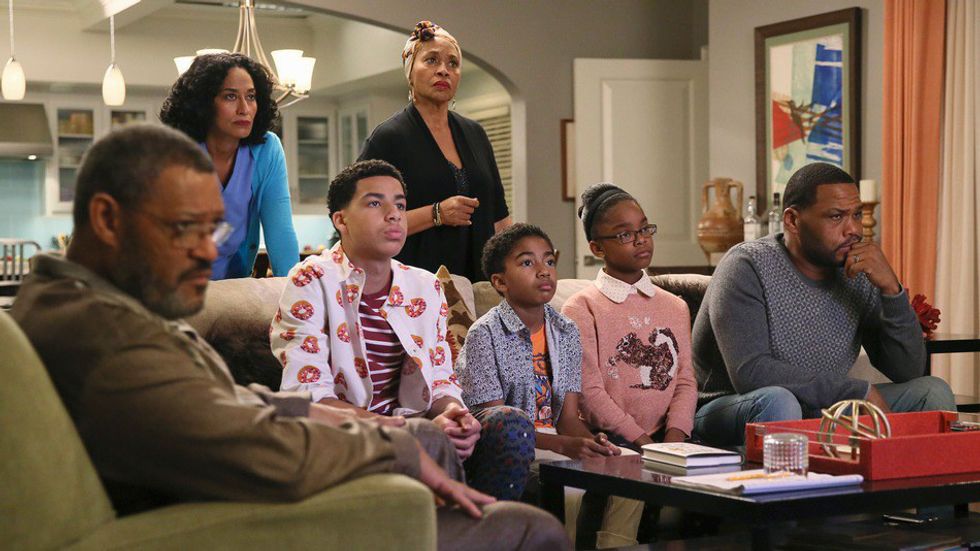
"Black-ish" tackled an incredibly serious issue in an episode titled "Hope." Main character and father of our sitcom family, Dre Johnson, discusses an important issue with his children regarding race and police brutality. After witnessing a news broadcast showing police violence against a black man, Dre decides he needs to address the racial violence still in place in America today with his family. At one point he describes watching the inauguration of President Barack Obama, and the terror he felt as the first black president of the United States stepped out of the protection of his limo.
The importance of diversity in the media is often debated, but those who have waited forever to see themselves reflected in the sitcom family understand the importance well. "Modern Family" actor Jesse Tyler Ferguson is quoted saying that the diversity in the show is "an easy and safe way to expose audiences to many different relationships in a way that doesn't feel threatening". Through the media, the audience can hope to understand other points of view, and can identify with the struggles and triumphs of the characters portrayed. With this new diverse set of characters and relationships, we can be sure to see many different kinds of struggles and triumphs as we watch together.

















