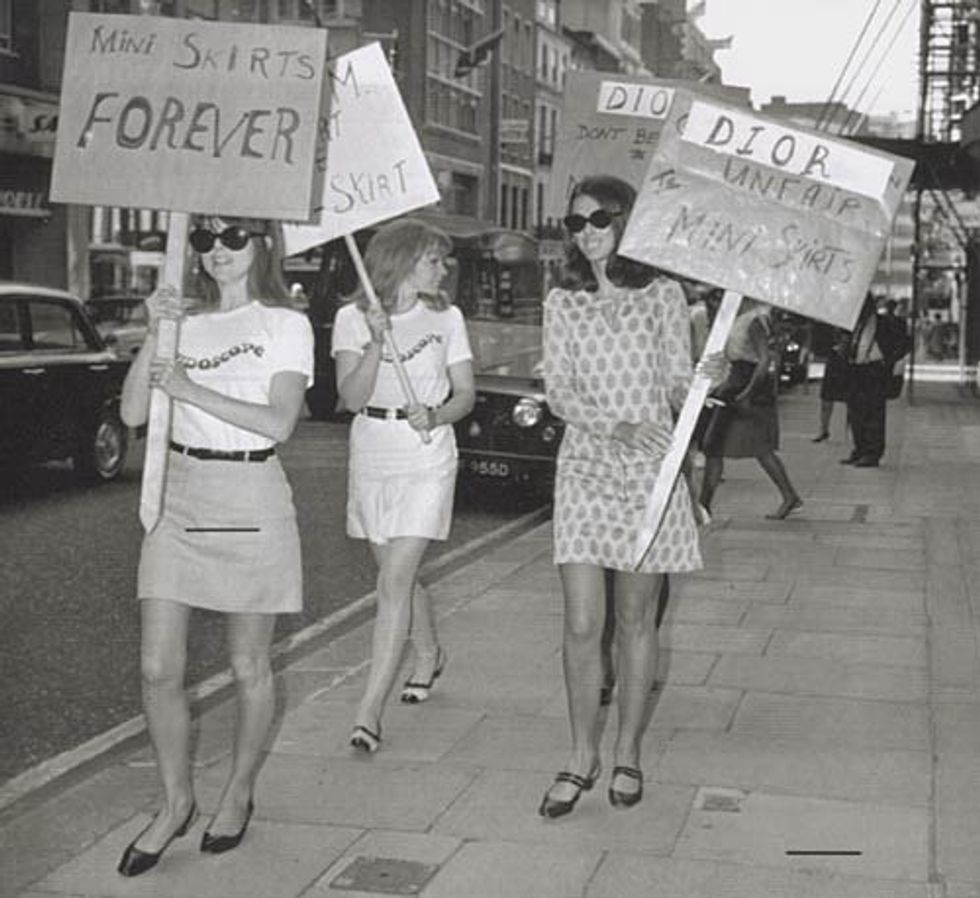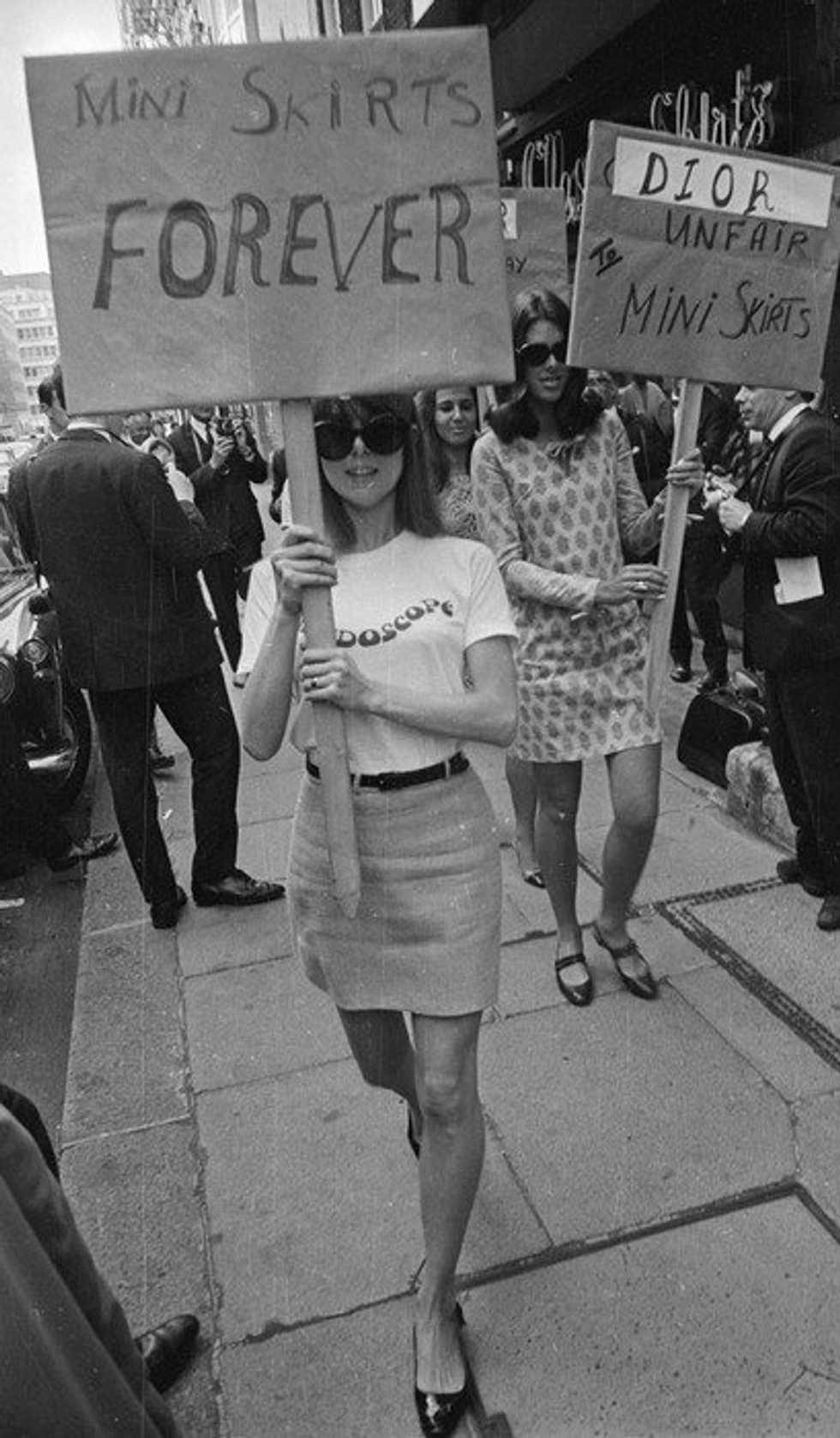
The Miniskir —- that bold, risky and flirty hemline you find everywhere today. Seen in department stores, boutiques, and even haute couture — the miniskirt has become a staple in the closets of many. Bursting into the fashion scene in the late-middle twentieth century, it represented more than just a hemline, but rather an intoxicating new freedom of self expression (and women’s rights!)

Before the 1960’s, modesty was the norm. Intertwined with the idea of the “roles” of women, individual expression and sexuality was mute and hidden. Since the 1920’s, skirts had been getting shorter and shorter: but a new era for the image of a woman was turning — and fashion reflected this.
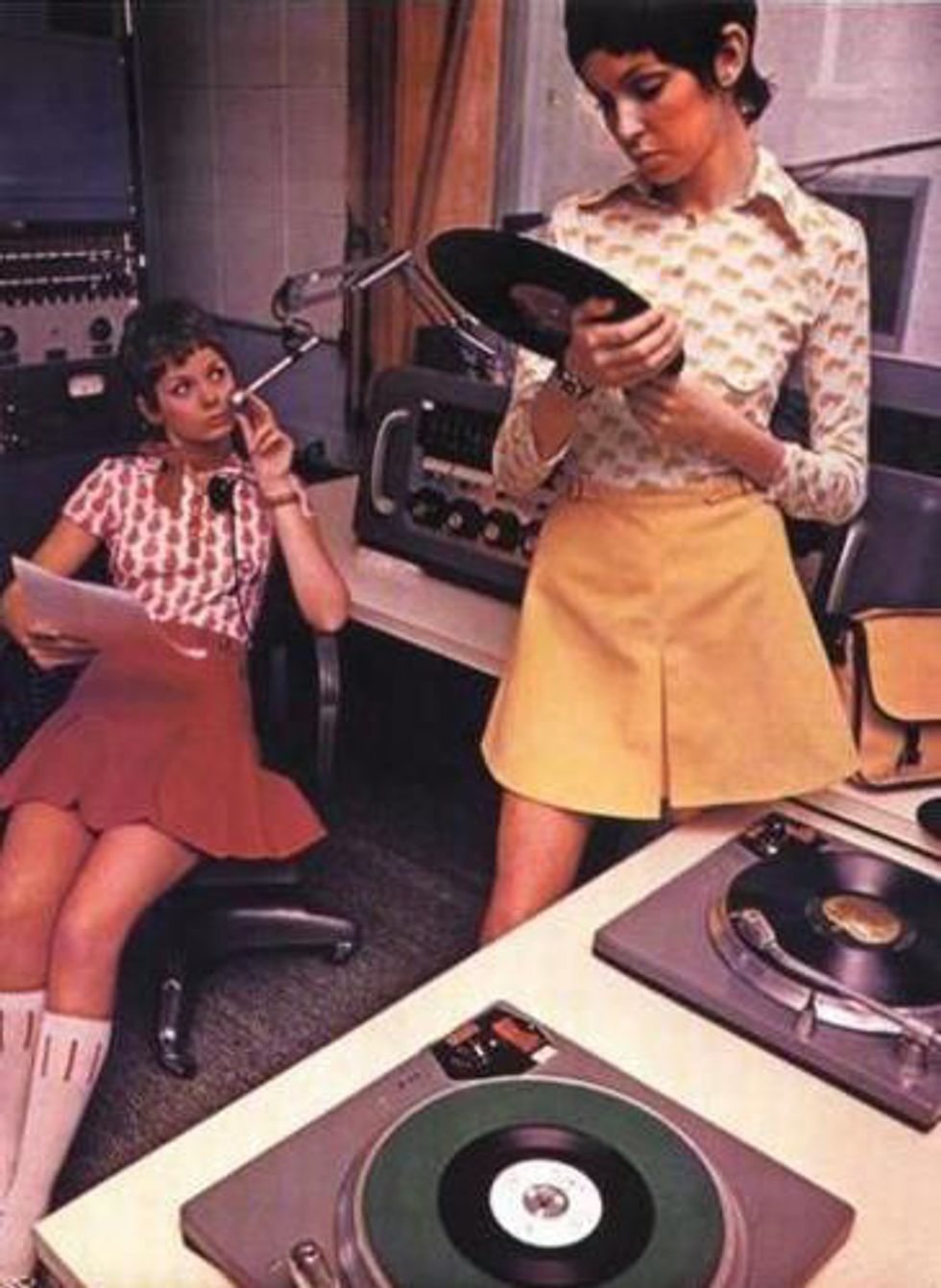
Mary Quant, a Welsh designer with a boutique on Kings Road in West London, was given credit of association to the sudden popularity and invention of the miniskirt. In the heart of the youth fashion and cultural revolution of “Swinging London,” Quant claimed later that the mini was really created by the girls on Kings Road, demanding for shorter and shorter skirts. Reflecting on the girls in New York Magazine, Quant states: "they are curiously feminine, but their femininity lies in their attitude rather than in their appearance ... She enjoys being noticed, but wittily. She is lively—positive—opinionated."
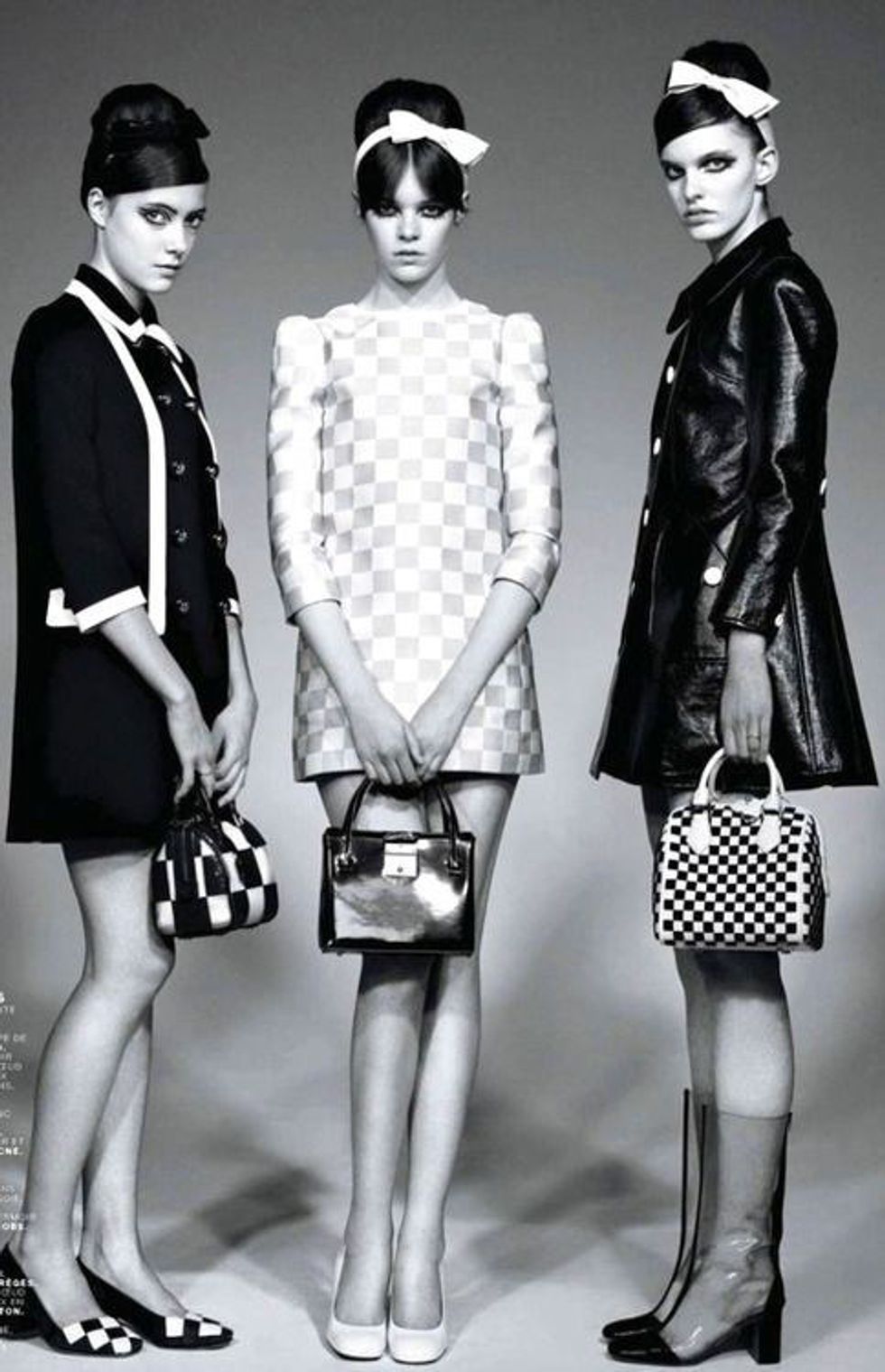
There is also André Courrèges, a futuristic french designer who also played around with hemlines during this time. Though it has been debated who deserves exclusive credit for the invention of the mini, it can be easily agreed upon that Courrèges introduced sophisticated, cosmopolitan miniskirts to the couture world. Although at the time Coco Chanel disapproved of the new age skirt, his “Space Age” collection of mod style clothing in 1964 was a fashion game-changer and influence on the “hyper-cool” mod fashion.
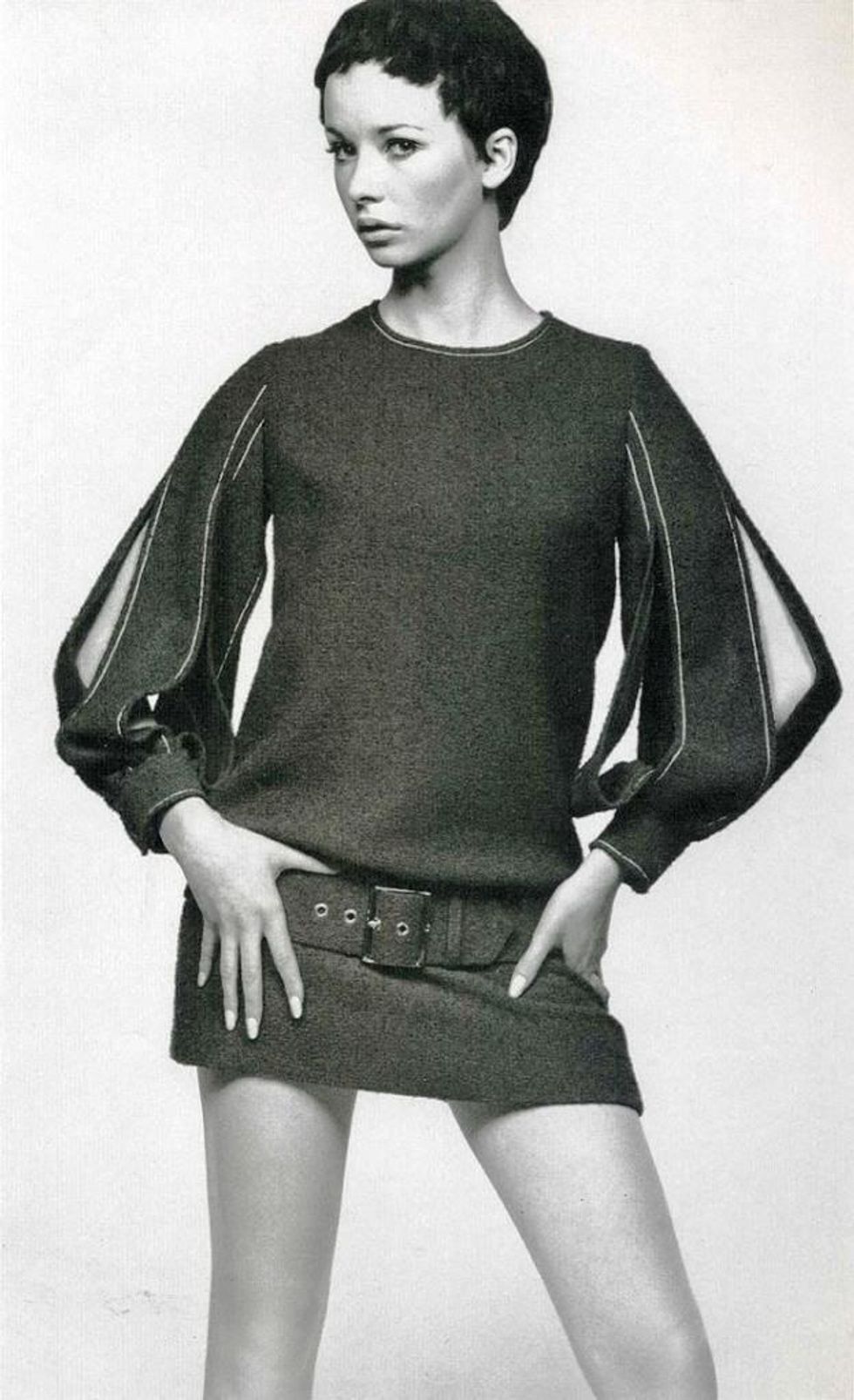
Regardless of who invented the miniskirt, it represents the turning point in ideologies of the mid-twentieth century. The rioting hemline represents a generation and decade advocating self expression, pride, sexuality, and feminism. A generation unafraid to risk disagreeing with their parents, gaining a voice and demanding to be heard. The miniskirt materialized the composition of the women’s movement. The miniskirt came and stayed, evolving over the decades and continuing to be a staple in closets everywhere. It’s more than just a hemline — it’s the skirt that conquered.