
It is a fact that the majority of American voters get their information about presidential candidates from the mainstream media and base their decision almost exclusively on what the media is telling them. That puts a tremendous amount of power and influence in the hands of the media. They can control what message the populace hears and what candidate constituents are exposed to the most and the least. The media has two paths: They can report essentially meaningless sound bites and blunders from specific candidates in an attempt to garner ratings and compete with the other media outlets that are doing the same thing, or they can report on each candidate evenly and fairly in an effort to give the American voter everything they need to make an informed decision come election time. Unfortunately, we are seeing the former all too much.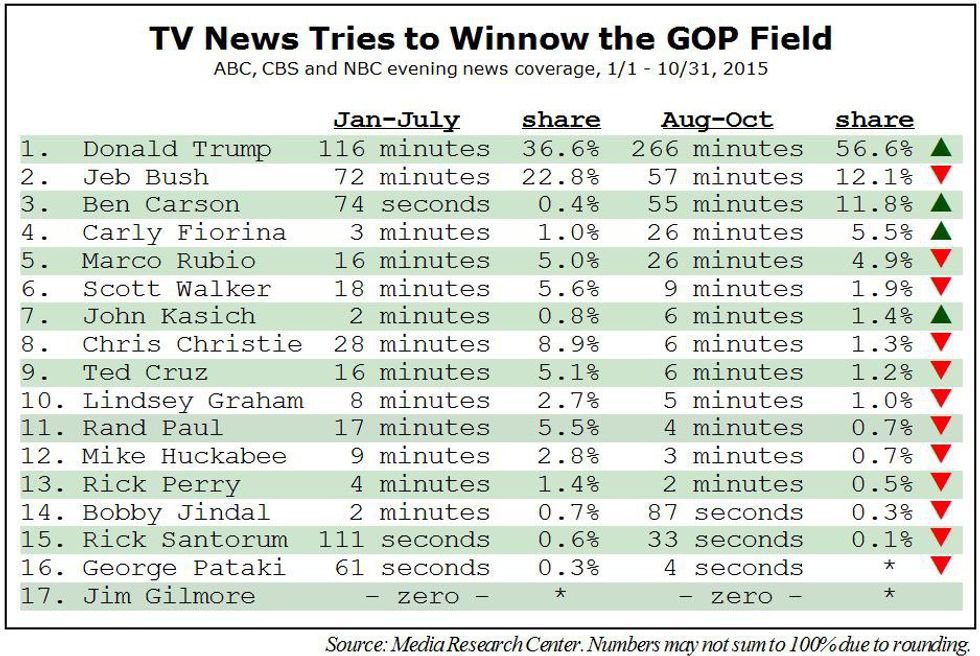
The mainstream media is obsessed with ratings, and why wouldn’t they be? High ratings are how they make money and how they compete head to head with the other outlets. However, it is a detriment to our democratic process that there is a ratings war being waged throughout presidential campaigns. Ordinary American citizens are not being exposed to the information they need to make an informed decision. Instead of hearing the specific policies of each candidate, they are being bombarded with insignificant, anecdotal pieces of information that garner website clicks and viewers, but do not actually empower the American voter with real information.
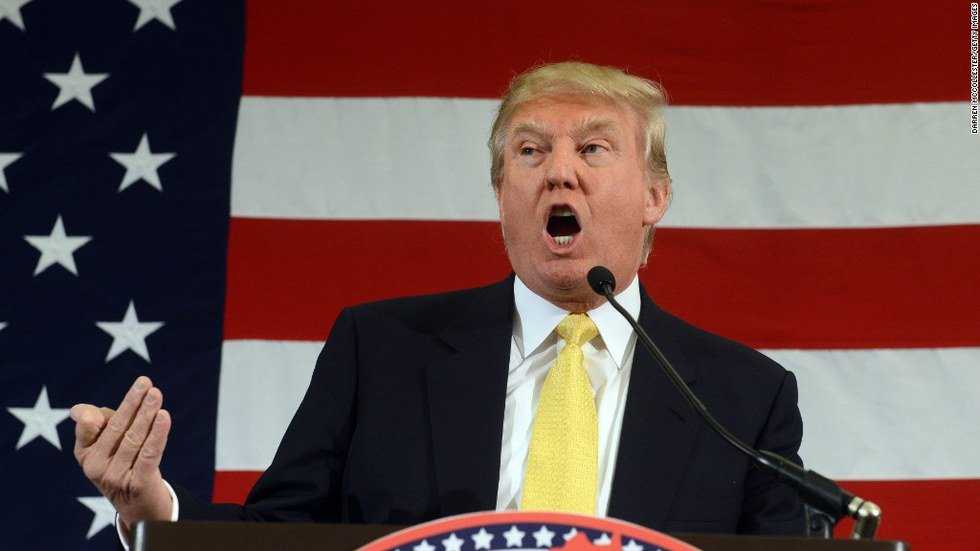
Another fault in the mass media’s coverage of presidential campaigns is their apparent inability to provide equal coverage to all of the candidates. In this presidential campaign, Donald Trump is the main attraction. The way he speaks without a filter paired with his celebrity is too much for the media to resist. The mainstream media chooses to report on him astronomically more than on any other GOP candidate. According to a new study by the Media Research Center, Donald Trump has received on average 266 minutes of daily news coverage on CBS, ABC, and NBC from August through October. So who is the next closest competitor? Jeb Bush, with an average of 57 minutes. Ben Carson is a close third, with an average of 55 minutes. The top 5 is rounded off with Carly Fiorina and Marco Rubio, both of whom command 26 minutes of media coverage on average. There is a significant drop off after the top 5, with John Kasich coming in at an average of six minutes. (Scott Walker came in at number 6 with an average of nine minutes but has since dropped out of the race). This is unfortunate because this makes it a very difficult uphill battle for less glamorous candidates such as Kasich to climb in the polls. Kasich is a relatively moderate candidate with great experience and credentials. But therein lies the problem for Kasich. He is moderate. He does not provide the media with the clickbait quotes and outrageous rhetoric that the pundits drool over. He isn’t exciting to the media, because the average American voter doesn’t want to hear about how he created jobs and balanced the budget as governor of Ohio. They want to hear Trump make outlandish statements and listen to Ben Carson’s take on what the Egyptian pyramids were built for.
The blame does not entirely rest on the media; American citizens need to start caring more about policy and less about the circus of the campaign season. The media will not change how they report on presidential campaigns until American citizens demand it. Presidential elections largely determine the path our nation will take, so wake up and educate yourselves about the candidates’ policies and please, get out to the polls next year, and make an informed decision. It is our privilege as American citizens; go utilize it.