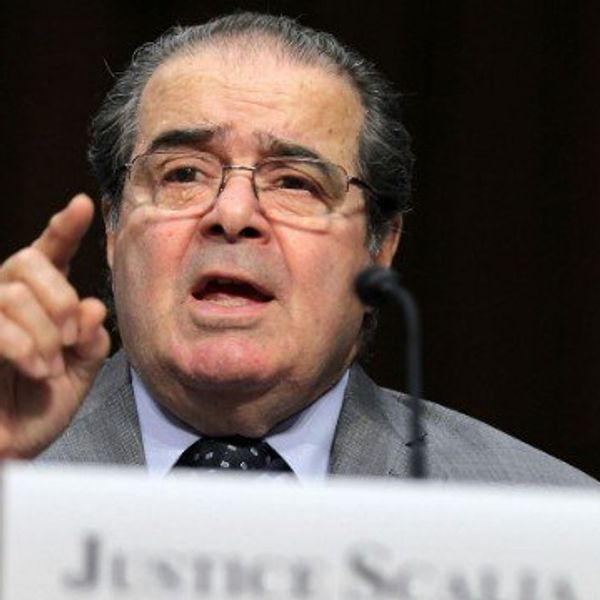
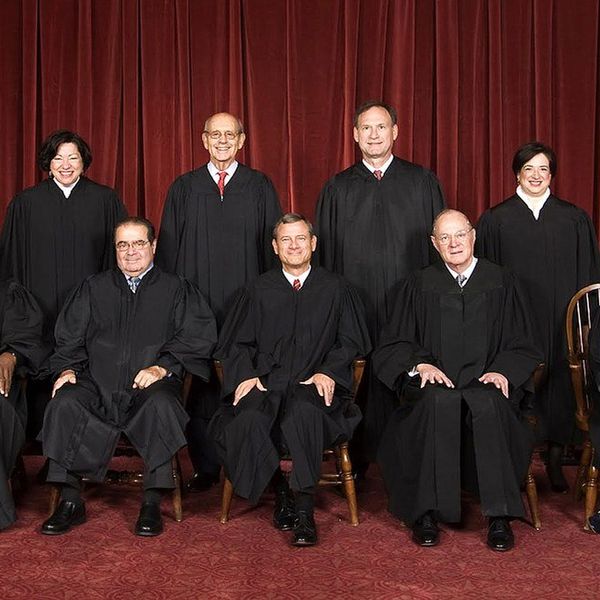
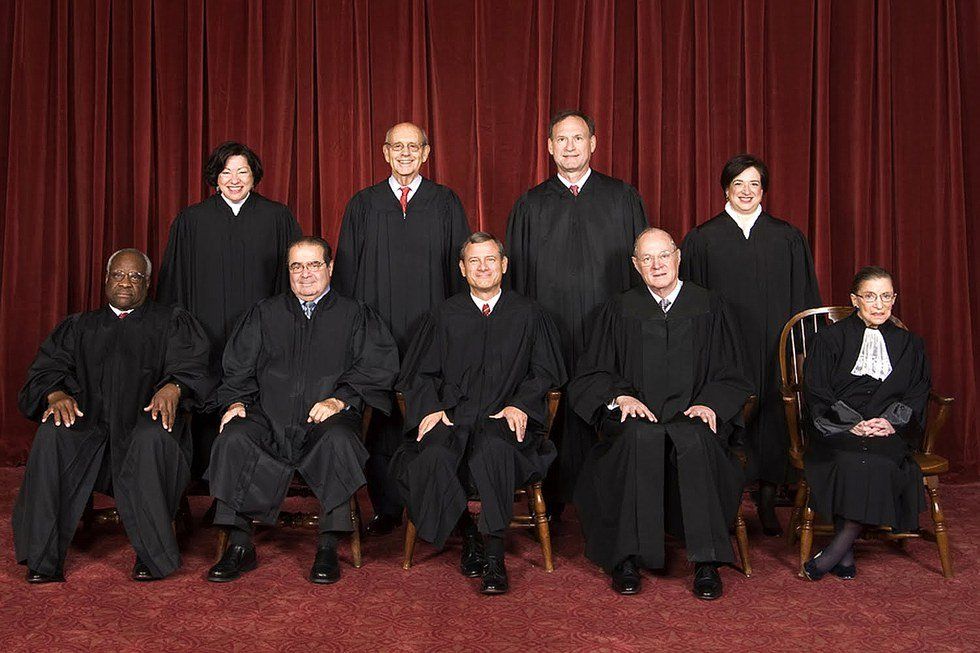
On the morning of February 13th of 2016, Supreme Court Justice Antonin Scalia passed away. Out of all the judges currently seated on the Supreme Court, Scalia is considered to be the most influentially conservative among them since his appointment in 1986 by President Reagan. Serving the Supreme Court for around 30 years, Scalia has made huge impacts on revolutionary cases, such as his dissent for Obergefell v. Hodges, which debated whether courts have should have influence on the legalization on same sex marriage. Although extremely right wing in his interpretation of the Constitution, Scalia's professionalism and fervor will be forever maintained in his legacy as an incredible Supreme Court Justice.
Life as the first Italian American Justice

Born to parents that were Italian immigrants, Scalia immediately set base for his high achievements since his early years of schooling. After graduating from middle school, he received a scholarship from a Jesuit high school in New York where he was eventually named valedictorian of his graduating class. He then attended Georgetown University, where he once again attained the status of valedictorian. Upon being asked about Scalia throughout his undergraduate career, his professors recalled him being "incredibly studious," "a rising intellectual" and so forth. Thanks to his academic achievements leading up leaving his undergraduate studies, Scalia then got accepted into Harvard's School of Law. Later, Scalia began working for the University of Virginia as a professor of law, which he quickly left after being selected to obtain his first government position by Richard Nixon. After years of hard work and numerous government positions later, Scalia eventually was nominated to receive a position on the Supreme Court.
What his death means for the current Supreme Court
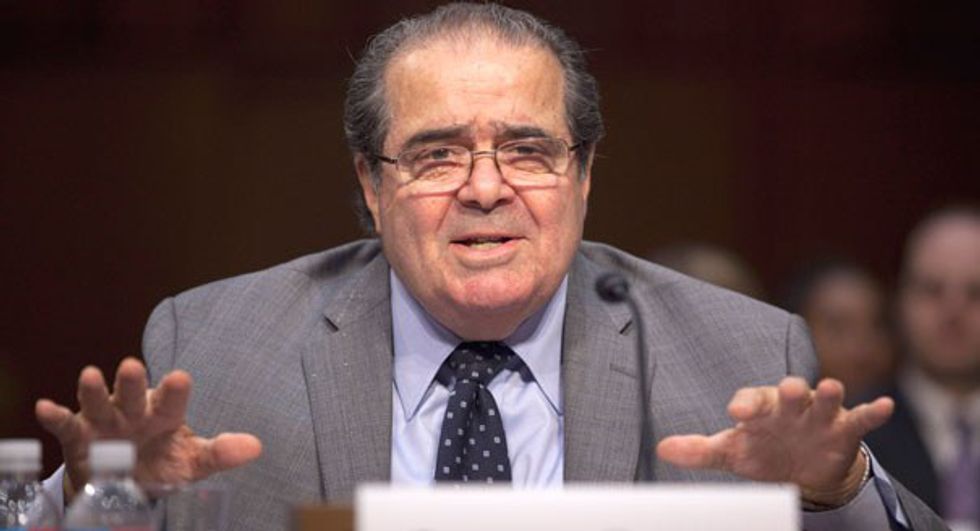
Prior to Scalia's death, there had been nine total judges, including himself, appointed to the Supreme Court. Five of these justices were actively considered to be conservative, while the other four's beliefs tended to be much more moderate. His passing has resulted in leaving an even number of conservative and liberal justices, causing increasing political discourse among the Senate and other high ranking officials. Currently our Senate is controlled by Republicans who often clash with our Democratic president's ideals and policies. Scalia's untimely death has catalyzed growing conflict, making the appointment of high officials a more important issue presidential candidates in the 2016 race will have to address.