When you think about "slavery" do you think about the 21st century? Probably not. The idea of having enslaved people within the same era as having hover boards may seem baffling, but it is a very real truth for millions of people across the world. But if slavery is so prevalent, why is it rarely spoken about?
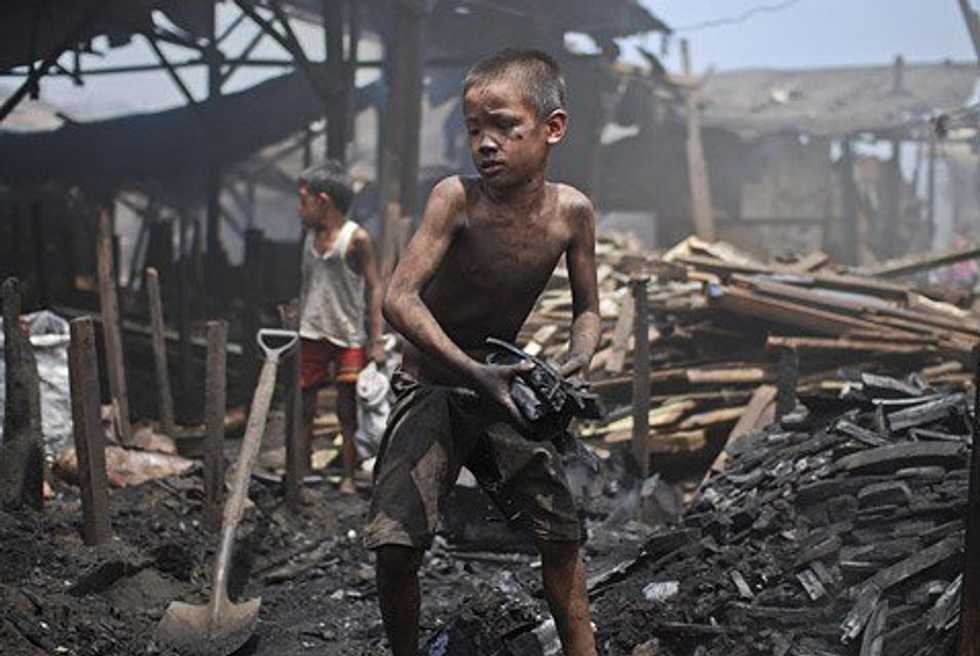
Modern slavery is often invisible. According to Free the Slaves, an international NGO that campaigns against slavery, an estimated 36 million people worldwide are shackled by slavery. Modern slavery generates $150 billion each year in illicit profits for traffickers. These slaves are hidden by the very products you use. Your clothes, technology, food, almost everything you consume, is potentially made by slaves you don't see. Slaves that are confined in the factories who are forced into labor and never paid for their hard work. Slaves who are beaten in the agricultural fields while they gather the food you eat. The question remains, how did these slaves get here?
The answer is simple. Economy. In his Ted Talk, Kevin Bales traces the roots of modern slavery back to the lack of jobs for a rapidly increasing population. People desperate for money for their family are often lured by the offer of jobs and duped into slavery. In countries like Nepal and India, slaves can be worth as little as $10. That's less than most of us spend on groceries on a daily basis. Is that the worth of an entire human being?
It is often said that if you're not part of the solution, then you're part of the problem. So, we must ask ourselves:
What can I do?
The first step to ending modern slavery is becoming aware. Various organizations like Anti-Slavery and Free the Slaves run donation campaigns and educate people about the different steps they can take to move toward a freer world.
Individually, you or I may not be able to free every slave, but together we may be able to free at least some. Don't let modern slavery be invisible anymore.