

What are you thinking, right now? How are you feeling?
Will you remember it in two days? three weeks? four months?
Will you remember it accurately?
These may not seem like important questions right now. After all, right now is probably an ordinary moment for you. But in the future, it will be locked away from you forever — except by memory.
Conveniently, you are more likely to remember things that are emotionally powerful. But what you remember is often vague, misattributed, biased, overly negative and on occasion dead wrong. Memories change every time you recall them, like a game of "Telephone."
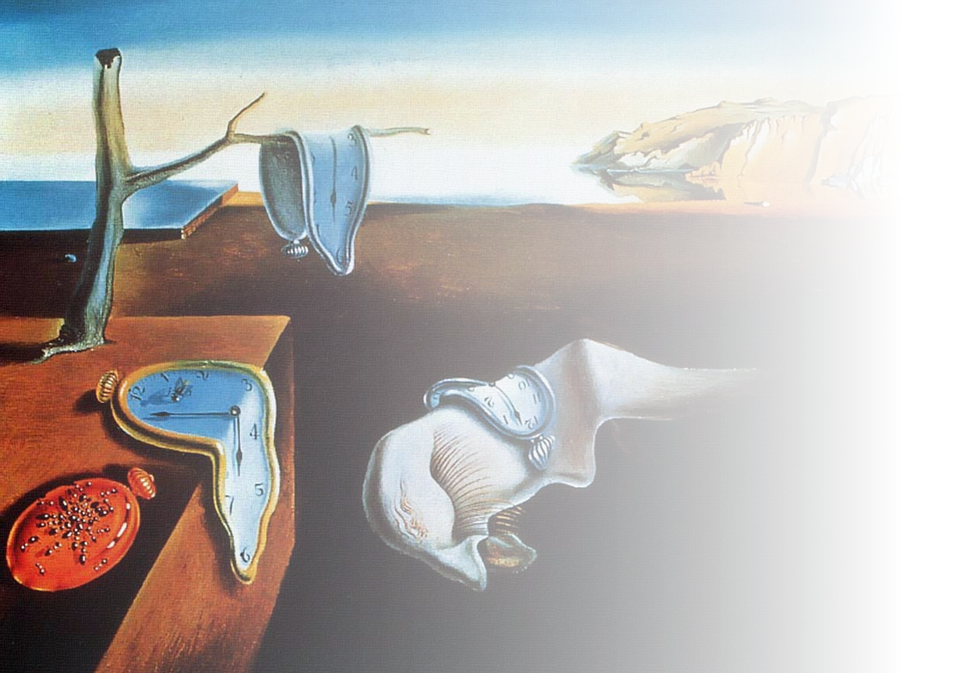
Even if almost everything you can remember is important to you, that does not mean almost everything you cannot remember is unimportant. Many people — most if not all of them, I would guess — have at one time experienced olēka, the awareness of how few days are memorable:
Your life is a highlight reel. The gradual search for a handful of memories. We like to think that every moment has potential ... that if you'd only stop to seize the day, you could hold onto it and carry it with you. But the truth is, most of life is forgotten instantly — almost as it's happened. Chances are that even a day like today will slip through your fingers and dissolve into oblivion.
That is not even mentioning the ultimate problem with natural memories: they die when we do.
In this way, as in many others, nature is cruel. But in this way, as in many others, we can fight back. Many of our ancestors fought back against the limitations of natural memory — that is why we know history. The only reason that we know about so many stories that people told and experiences that they had more than a few generations ago is that, in each case, someone decided to write or draw their experiences.
Our strategies to preserve memories have been spreading and improving over time. The development of photography (no pun intended) and its exponentially increasing use, as well as rising literacy rates, have allowed more people to save their memories. The invention of audio recording has also been invaluable in that respect, since combining it with visual recording allows experiences to be captured more wholly. The Internet allows all of these to be stored and shared en masse.
However, since audio and visual recording cannot capture your feelings and thoughts as you experience them, writing could be the best available tool to save your experiences. In the future, combining new findings from neuroscience with brain-scanning and stimulating technologies may allow us to save and recall our memories far more effectively than we can imagine now. Only a couple of generations from now, people may be able to literally save their memories to relive, or let others experience, them later on for sentimental or practical purposes.
In our lifetime, writing may be the only way to accurately capture our experiences. Only through writing can we or other people understand and learn from what we thought and felt after it would have been forgotten.
That is the reason you are reading this article, incidentally.
I love to write primarily because it allows me to store my experiences as I experience them better than anything else I know of. From another perspective, writing is the best chance for my thoughts and feelings to save themselves from the total oblivion of being forgotten. I feel like I owe them that much.
So what are you thinking right now? How are you feeling?
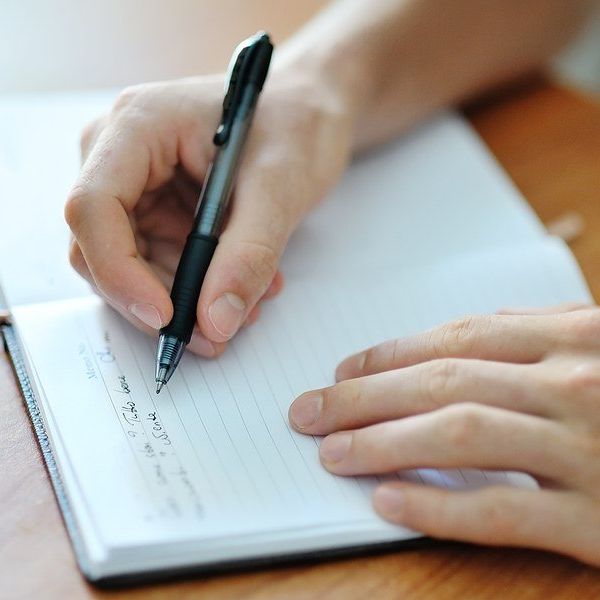
Do me a favor and — just this once, at least, for sentiment if nothing else — write it down.

















