The United States of America is unique in that there is no official language stated for legal use. It is implied that because the English conquered this land and made it what it is today, that “American English” is the official language. America is called a melting pot of cultures and evidently languages as well, yet the majority of road signs and restaurant menus are in English with rare exceptions of Spanish translations in particular regions such as the South-West and Southern California.
Everyone thinks that the English language is the most common, but that’s not necessarily the case. If you were to open your ears and listen to all the languages spoken around you, you might be surprised. According to the US Census Bureau, there are 31 languages spoken in homes across the country. And although English ranks number one with 230 million speakers, it perpetuates Americans being afraid to speak languages other than English because it is comfortable. This stereotype is half xenophobic (fear of anything that is strange or foreign) and half anti-cosmopolitan (familiarity with many different countries and cultures).

It was only when I was staying with my bilingual younger cousins in Ireland that I understood my ignorance of this pandemic. Dinner conversations that were completely versed in German made me feel isolated and stupid. I'd try to contribute when I thought I recognized a word but I ended up being laughed at for my efforts. I was so annoyed thinking why wouldn't they include me? and that's so mean of them. But after a few hours of reflection I realized that I was actually in the wrong. I should've made the effort to learn a new language or at least new words. I shouldn't be mad because I was the ignorant one.
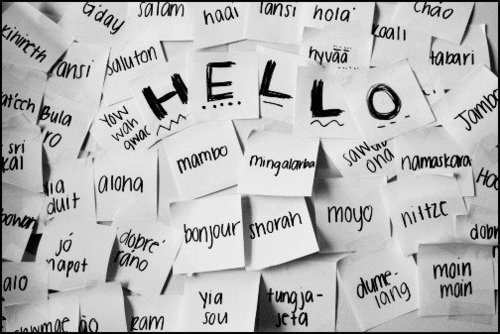
In a recent surge, elementary schools across the country have been promoting foreign language classes to students at very young ages. Other news platforms, such as the Washington Post present their argument in a way that makes American parents seem unprejudiced and open to foreign languages. Yet from a younger perspective there is a sense of hatred and anger towards foreign languages. We’ve all moaned at the thought of having to go to an 8:30 a.m. Spanish class or completing the foreign language component of our liberal arts degree. It’s ingrained in our minds that these classes are dreadful and a waste of our time, distracting us from the main focus of our majors and giving us no advantage unless we decide to study abroad in a country in which we can use that foreign language. We don’t prioritize our foreign language classes as we should, which has inadvertently created a society full of culturally closed-minded citizens.
But of course, and I know you probably can predict what I'm going to say next... it doesn't have to be that way! According to Project Atlas, there are close to 1 million international students that come from around the world to study at American universities. The top 10 countries where students come from are all countries where English is not the spoken language. These students, to some extent, dive into American culture and are expected to learn and converse in English. Perhaps we need to think about rising to this challenge ourselves. Rather than letting others do the traveling and the learning, we should learn a language and dive deeper into one of the many cultures that created America.