
I will admit that I am a bit of an eco-nut; I like to imagine we can live in a world where sustainability is emphasized in everything, but at the same time we can still live and grow in the same wonderful lifestyles that we know and enjoy so well. This is a very hard endeavor to tackle. Luckily, the idea of the "green economy" has been growing over the years. But what exactly is the green economy and why should I, a sleep-deprived college student, care about such a thing? Well, for one, it's a very interesting concept. But mainly you should care because this is a potential key to the problems we are facing today and what we will be facing in the future.
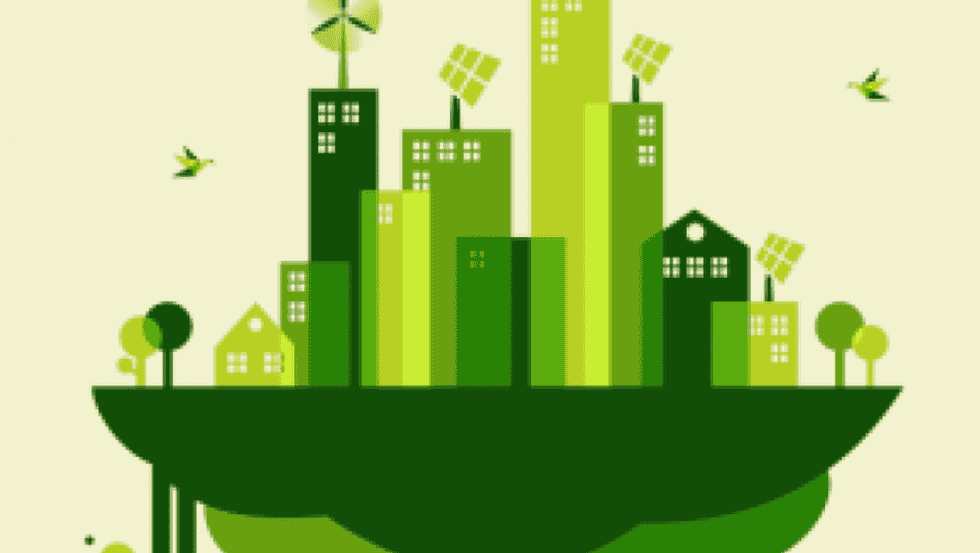
According to the United Nations, the green economy is an economy that “results in improved human well-being and social equity, while significantly reducing environmental risks and ecological scarcities.” Whether we want to accept it or not, much of the world is plagued with social inequality and poverty, and environmental risks are skyrocketing. Whether it is petro-dictatorships or massive oil spills, something has got to change. The utilization of the green economy will shift the idea of the economic growth model from solely focusing on the gross domestic product (GDP) of the nation, to focusing more on environmentally safe actions that will not only improve social well-being but will also create a sustainable economy. Furthermore, we can work to fix poverty and environmental harm through the change of our policy, taxes and legislation that would be brought on from integrating the green economy.
Although it is a long term issue, the green economy is a necessary investment that will produce substantial dividends in the long run. For example, the cost for renewable energies is only decreasing. The cost for solar energy will decrease by 40 percent in the next two years, which leads to the potential possibility of millions of households having solar panels installed on their homes in the near future. More efficient and cheaper renewables will also allow for companies around the world to focus less on the cost of energy and more on their actual product. This would lead to jobs staying where they should stay, profit going up, and ultimately the creation of a stronger market. This would cause a fundamental ripple affect where wages go up and quality of life improves.
Environmentally speaking, by using renewables with less pollution and waste, companies and firms will have the ability to create their product in a more sustainable and environmentally friendly way. With a green economy mindset, companies will understand that the value of being sustainable will not only allow for their company to survive, but also for the environment to thrive. A fine example is that of cap and trade; assuming that the set level of carbon is placed correctly, companies could responsibly manage their carbon emissions while also expanding their products in a capitalistic way. However, for much of this action to occur governmental legislation and policy must be enacted in order to shift these companies towards the mindset of a green economy.
Cool idea, right? However, it is easier said than done. Still, don't be surprised when you start hearing about this more and more. It may just be the future.