
As the vegan lifestyle continues to gain more momentum in today's world, there are still several topics of debate in the vegan world that seem to come up in discussion quite a bit. Perhaps the biggest topic of debate is that of honey. Of course, honey doesn't need an introduction, as so many people love the sweetness it adds to hot teas and desserts. Some will even go as far as to regard it as an effective beauty product. As for the question of whether or not it is vegan?
In short, no. Following the definition of veganism, 'a way of living which excludes all forms of exploitation of, and cruelty to, the animal kingdom, and includes a reverence for life. It applies to the practice of living on the products of the plant kingdom to the exclusion of flesh, fish, fowl, eggs, honey, animal milk and its derivatives, and encourages the use of alternatives for all commodities derived wholly or in part from animals', honey in no way can be classified as a vegan food (or as human food in general, but that will be discussed later.) So following this train of thought, why isn't honey vegan?
1. If it requires animal production, it isn't vegan. Period.
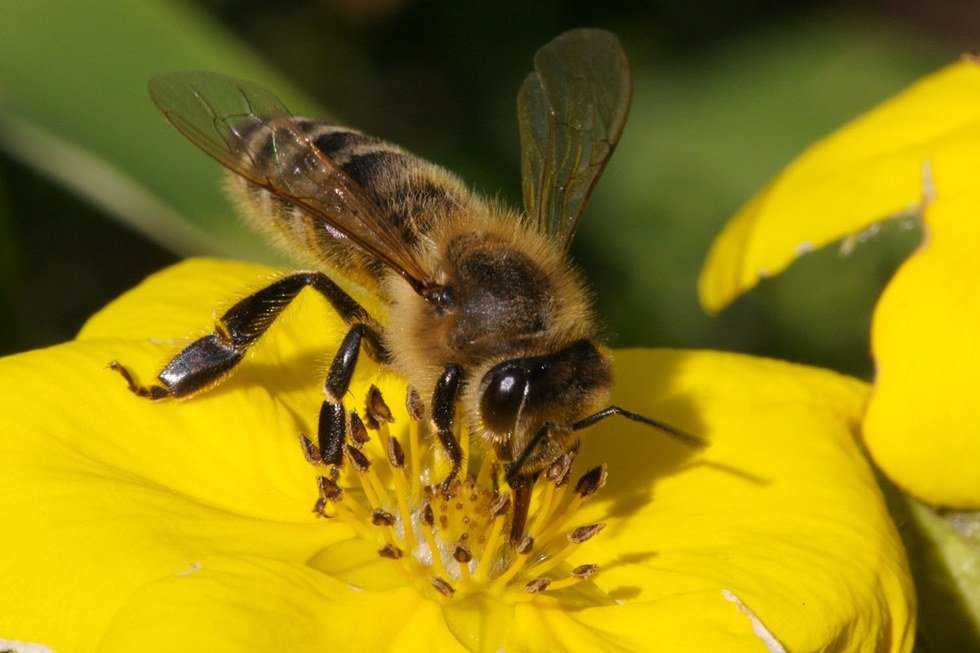
As a vegan, it is unethical to me to think of other animals such as chickens, pigs, and sheep, as more important than bees. Bees play a vital role in our ecosystem, and just like I do not wish to take a mother cow's milk away from her calf, I do not wish to take honey away from bees.
2. Honey is meant to be consumed by bees, not humans.
As mentioned in the first point, worker bees make honey to consume it and feed their colonies. Of course, because sellers need to profit off of bee food, they take the honey meant for bees and instead feed said bees with high-fructose corn syrup, which researchers now believe is one of the causes for bee colony collapse. What vegans turn to (or should turn to, for the 'vegans' who still consume honey), is plant-based agave syrup, which is much sweeter and also ethical.

3. The exploitation and killing of Queen Bees.
In the wild, queen bees live an average of five years or so while the ones that are held in captivity live only two, due to beekeepers 'replacing' the queen bee in order to keep control of the hive (the replacement being a product of artificial insemination performed by beekeepers.) The word 'replace' is also a euphemism, because what that entails is killing the old queen bee, seeing as she no longer serves a purpose in the hive. This dominant, toying behavior exhibited by beekeepers is identical to the exploitation in the meat and dairy industry; only seeing other species as money-making tools instead of sentient beings.
The easiest way to think about this is to replace the word 'honey' with 'milk.' If the ethical connection has been made with larger beings such as cows, why can't the same be done with small insects such as bees? Make the connection and save the bees, our ecosystem depends on them.