
Colony collapse disorder, CCD, has been affecting bees around the world. This disorder occurs when a majority of worker bees in a colony disappear and leave behind the queen and immature bees. This results in an insufficient amount of worker bees and eventually a complete breakdown of the colony. The problem originated in the United States and Europe but has significantly spread. The UN says that CCD is a global problem now affecting China, Japan and Africa, as well as other places.
But why should we care?
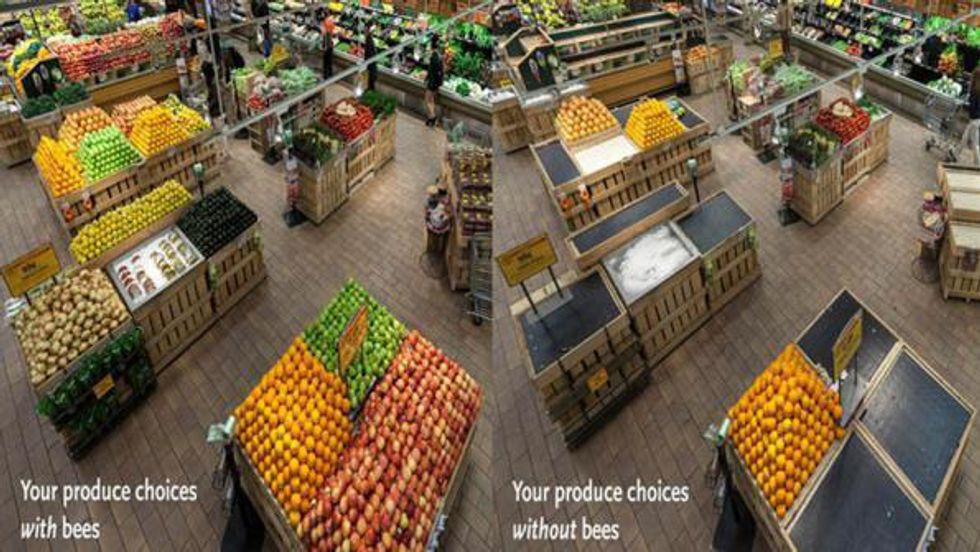
According to the Natural Resources Defense Council, one out of every three mouthfuls of food in the American diet is, in some way, a product of honeybee pollination. Bees are the last things that come to mind when consuming chocolate, avocados or almonds, but without the help of bees, these products would suffer. The list goes on: tomatoes, cotton, apples and even coffee.
Did you hear that? Bees help produce coffee. Coffee is every student and worker's morning pick-me-up. How else would you make it to your 8 a.m. class or shift?
In addition to saving the foods we enjoy, we must look at the economic side of this. The United States Department of Agriculture states that bee pollination is responsible for more than $15 billion in increased crop value each year. Honey bees empower the production of a minimum of 90 commercially grown crops in North America.
What is causing colony collapse disorder?
Although there are many theories as to why this is occurring, as of now, the main cause of this catastrophe is the use of pesticides. While the pesticides may not directly kill the bees, they cause the bees to become more susceptible to parasites such as Nosema. Bees can also be poisoned from exposure to pesticides applied to crops or for in-hive insect control.
To put this tragedy into a number, the amount of managed honey bee colonies has decreased from 5 million in the '40s to a mere 2.5 million today. But, the demand and need for bee's work has increased greatly since the 1940s.
How can you help?
It is understandable that people can sometimes be hesitant to support bees since they are notorious for one thing: stinging. It is true that honey bees sting, but they do not sting just to sting. Bees attack when they feel that their hive and Queen is threatened. When they sting a person, they release a pheromone that incites other bees to join in on the stinging. Overall, bees do not mean to harm you, they just want to help pollinate the world and produce more fruit, nuts, and flowers!
But do not worry, you do not need to become a beekeeper to help save the bees. There are many ways to support these lil' fuzzy guys.
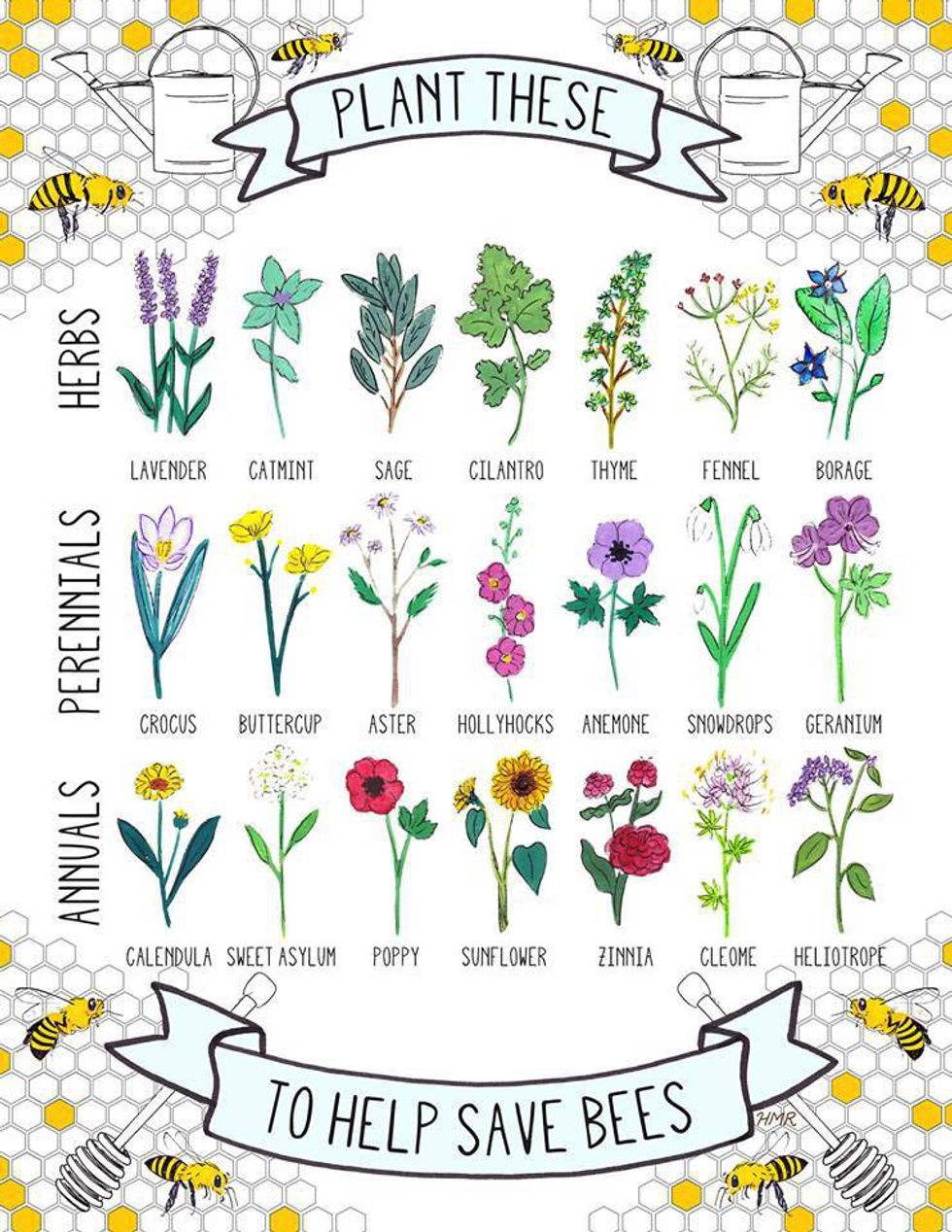
Help bees help you! Plant some bee-friendly plants in your garden and avoid the use of pesticides on your yard and plants. Here are some examples of bee-friendly plants, some which can be used as decoration and some even as spices for cooking.
Buy local, organic food from farmers. To be considered organic honey, beekeepers must keep their bees in an area where there is no chemical spray within three miles. Not only will you get high-quality food and honey, but you will also help keep the bees safe.
Last, but certainly not least, spread the word. People do not know the severity of this circumstance unless they are educated about it. You can share the importance of this topic on social media, at schools and universities, on forums online and even in your local government.
Save the bees!