

A few years ago, I sat in a hotel lobby playing card games with some cousins I hadn’t seen in over 10 years. The last time we’d met, one of them was still in diapers and the other was enjoying every minute of the “terrifying twos.” Naturally, our conversation took a rather winding path as we got to know each other for the first time. Eventually we reached the topic of Word War II.
Now, I graduated from college with a bachelors in History, specifically focusing on World War II and the Cold War. As a result, we had a reached a topic about which I am quite passionate, to say the least. I regaled them with stories of Hitler, the military considerations, American options when it came to responding to reports of the Holocaust, and so much more. From World War II, we slowly merged into the Cold War and the geo-political considerations, many of which are relevant today.
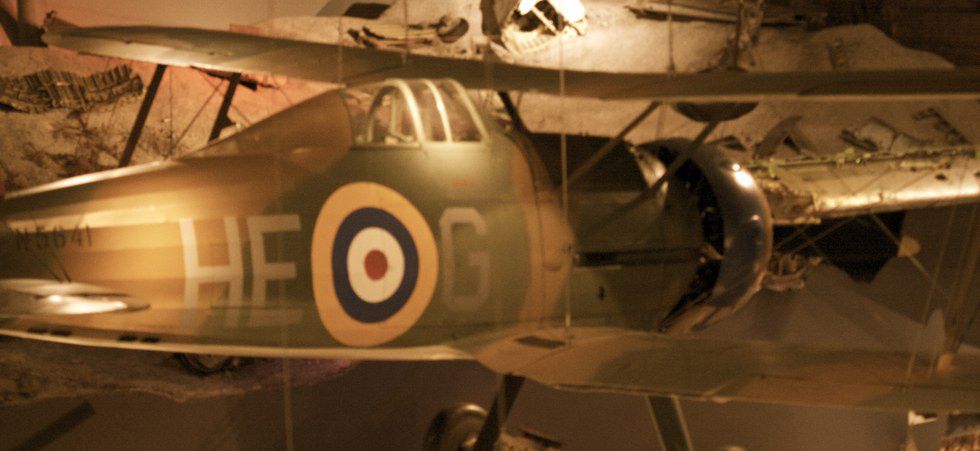
Photo Credit: Shannon McGowan
Spitfire in Bodø, Norway
As we proceeded, they were mesmerized by seemingly basic facts and issues from this time. Finally, I asked, “Aren’t you learning these stories in school?” In my mind, these were essentially points that needed to be covered in any modern American or modern World history class. The emphatic shake of their heads informed me that I was sadly mistaken.
I don’t pretend to know all of the considerations that converge in writing history curriculum, choosing history teachers, or legislating which class will be mandatory. I also freely admit that I am biased. I am biased towards my field of knowledge. If I had majored in science, art or languages, this piece would lament the lack of education in one of those areas (although I could easily point several reasons these are also crucial).
Here is what I do know - history is a requisite for future generations.
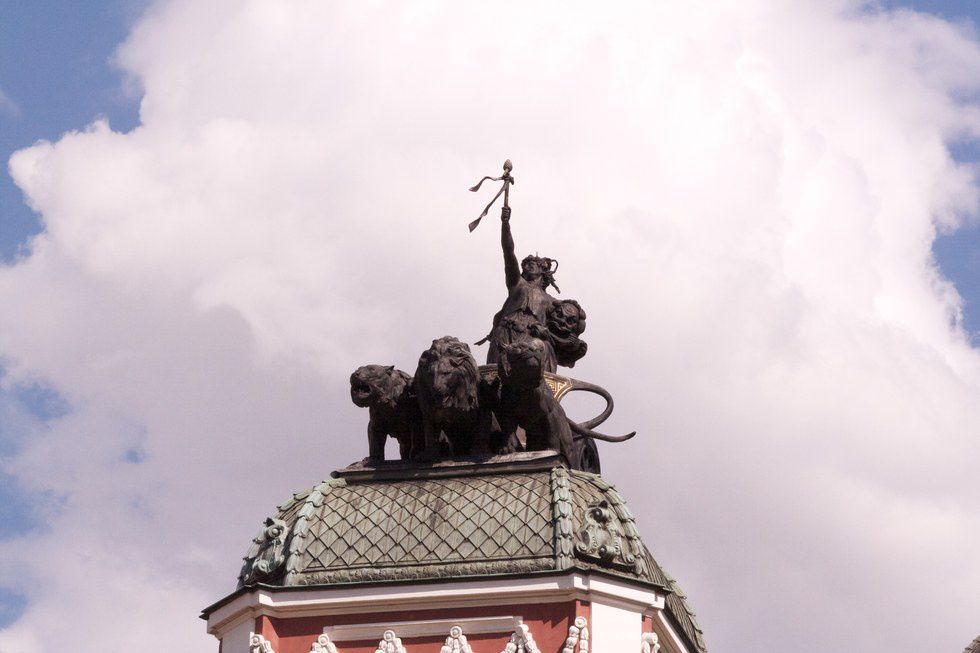
Sophia, Bulgaria
Our past informs our present. Our present shapes our future.
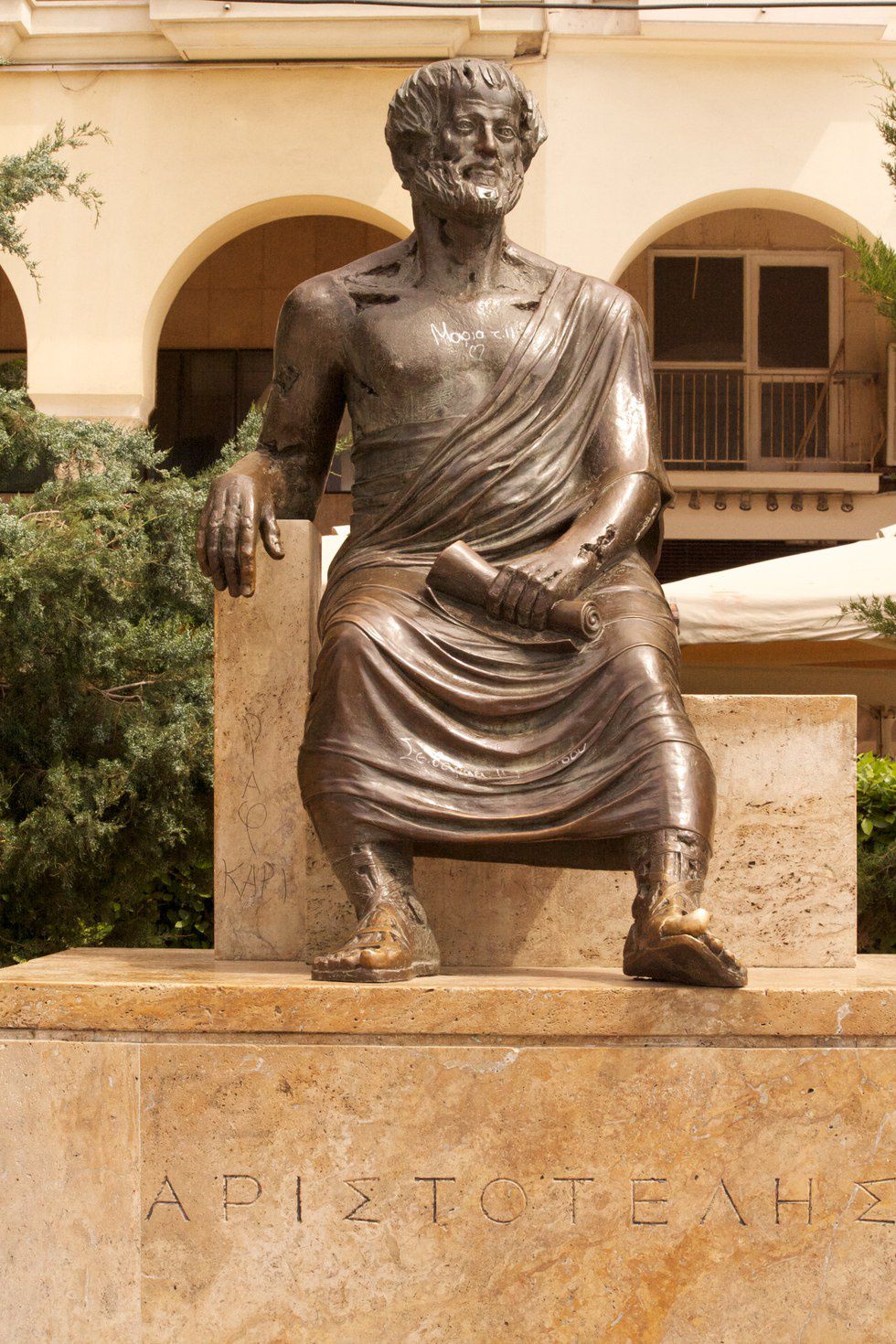
Thessaloniki, Greece
Do I need to be concerned that Vladimir Putin, President of Russia, fired his chief of staff on Friday? Even since World War II, the United States and Russia (or the Soviet Union, depending on the year) have enjoyed an uneasy relationship. At times we joined forces to fight a common enemy, at others we faced off through proxies, and at others we simply pulled the trigger. All of this and more is essential to calculating the importance of such an event. It is ludicrous to attempt to analyze this most recent action on the part of President Putin without considering the events that led to his presidency.
The decision-makers of tomorrow cannot be ignorant of the events of yesterday.
As we examine ways to improve the educational system in our country and our state, we cannot forget to include history. In these days of rapid technological transformation, too often history is over-looked or under-taught in high school curriculum. The history of countries like Somalia, Rwanda, or Venezuela informs how we respond to current events. It broadens our view of our family, our friends, or neighbors, and the world.

Bran, Romania
Simply reading a dry textbook about the invention of the printing press will not instantly solve the world’s problems. However, learning the stories that have shaped our country and world will help mitigate future ills. The tapestry of history has vibrant stories of individuals, infamous or not, that will inspire and instruct our future leaders. We cannot afford for them to miss out.