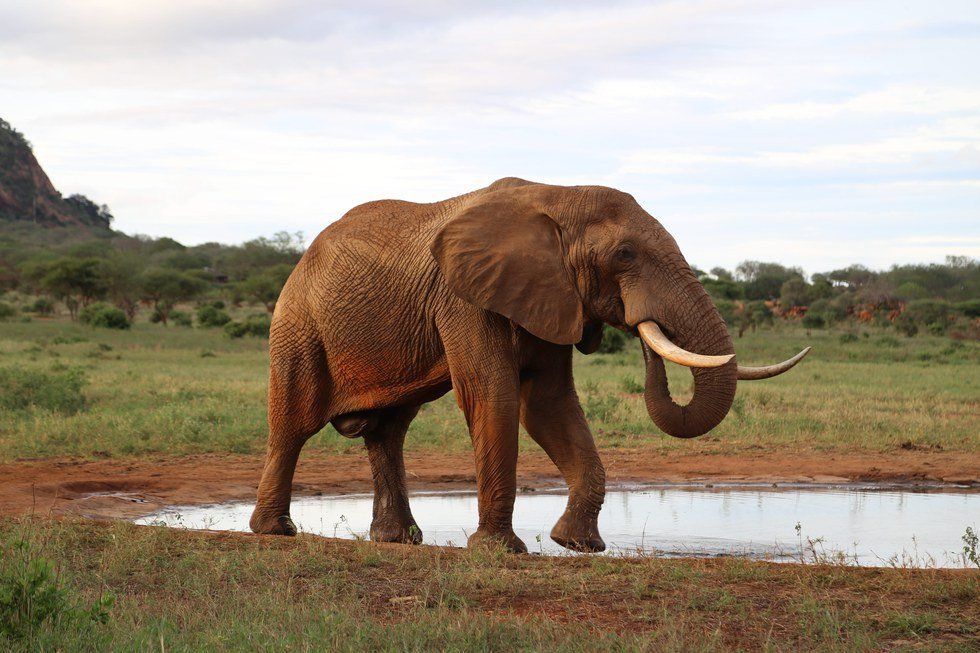
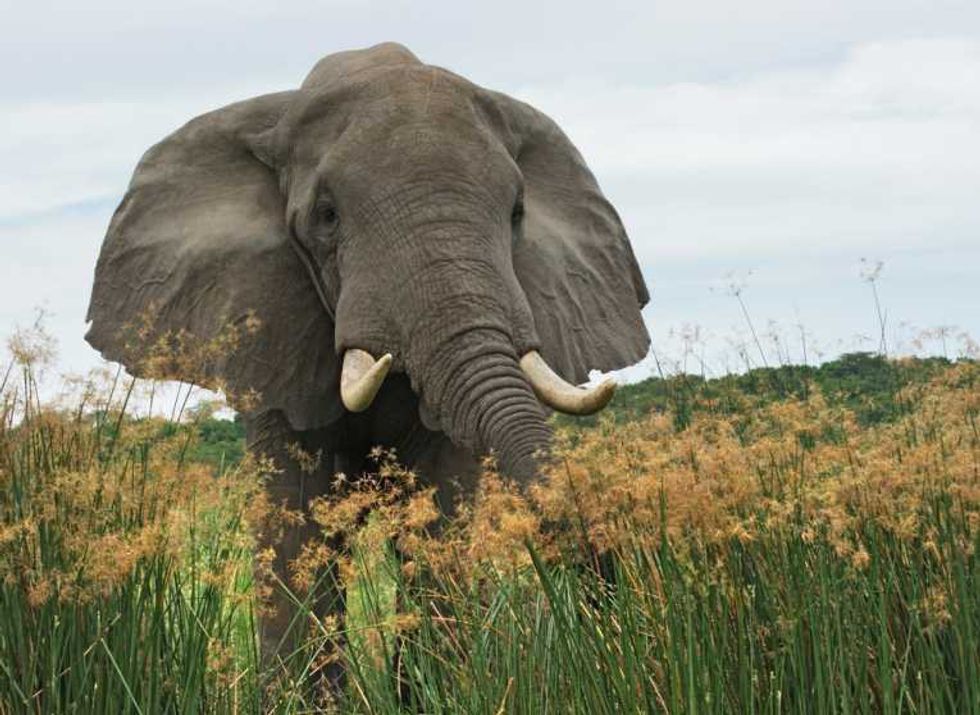
If you pride yourself on Speaking for the Animals like the Lorax Speaks for the Trees, then you probably know and are troubled by the recent decline in elephants in Africa and Asia. Turbulent poaching has ravaged the populations of elephants. One article from National Geographic reports that “about 27,000 elephants [are] slaughtered year after year."
This is tragic. Elephants are drastically endangered, and I can’t imagine how devastated the world would be if these creatures were to go extinct in our lifetime.
In the face of this catastrophe, there’s a really amazing charity called “Save the Elephants.”
One of their projects is entitled “Elephants and Bees Project.”
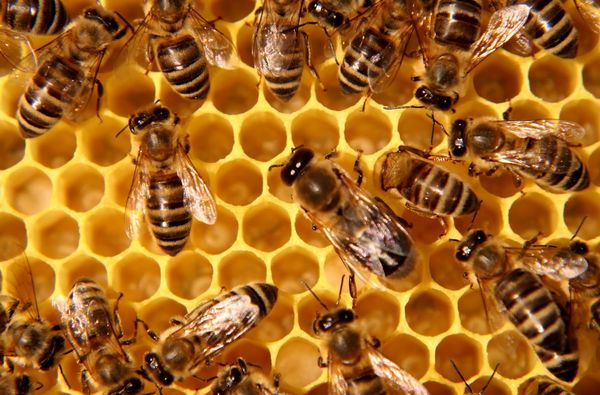
We all know bees are terrifying, and it turns out that African bees can be particularly brutal. Elephants are absolutely terrified of bees, because if they fly up their trunks, it’s horribly painful. Resulting from this fear, elephants can recognize the sound of buzzing bees and they will quickly retreat and stay away from areas with bees.
Elephants can also be pretty destructive. They’re huge. They love to devour the hell out of farmers’ crops. This pestering behavior creates conflicts between elephants and humans, as farmers in impoverished countries in Africa and Asia rely on their farming as a source of food and income. Invading elephants pose serious economic threats.
One unfortunate cause for this elephant vs. human feud is that humans and elephants are increasingly sharing the same territory. Increasing populations of people, in Asia, for example, lead to this need to create human settlements were originally the elephants’ territory. In discussion of this problem specifically in Asia, the Save the Elephants website reports, “The rise in Human-Elephant Conflict has been the result of the rapid rise of the human population in Asia. Approximately 20% of the global human population shares the present shrinking range of the remaining 30,000 Asian elephants…ancient migratory routes are cut off by human settlements."
Elephants habitually “crop-raid” at night, and in defense, farmers “throw stones and fire crackers or shoot bullets into the air to try to scare them away.” Elephants are herbivores and thus have no reason to attack humans unless they feel threatened, but this sort of behavior is what provokes elephants to defend themselves and counterattack.
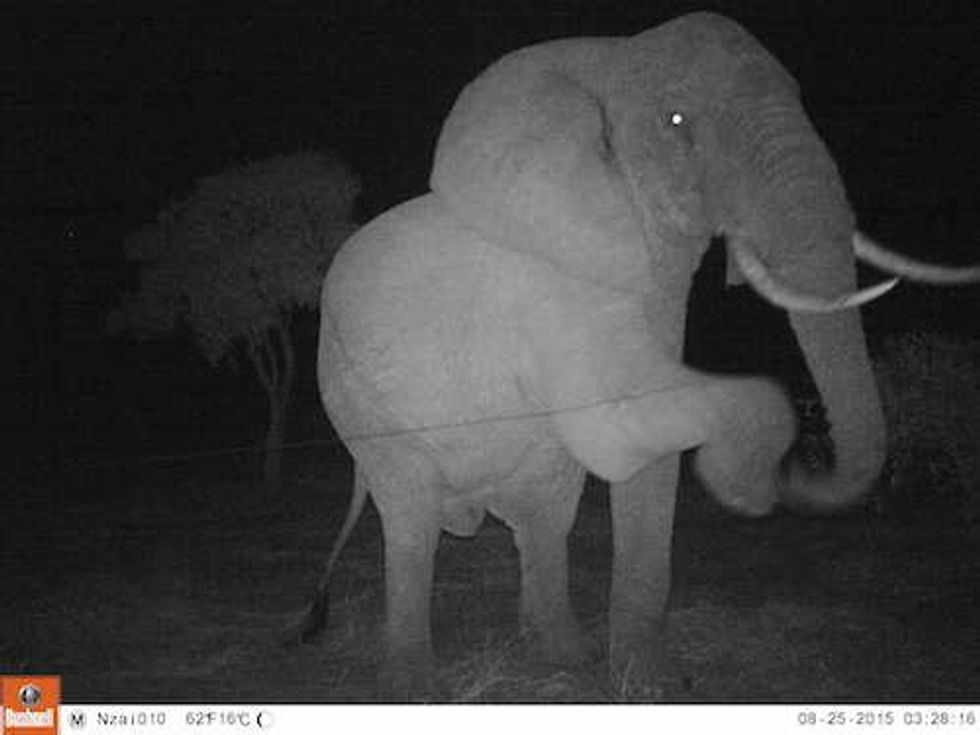
These conflicts lead to injuries and deaths of both humans and elephants.
The wonderful humans working on the Elephants and Bees Project have created an innovative solution to this ongoing problem. To keep elephants out of the way of the community’s farms and to reduce the tension between humans and elephants, the Elephants and Bees Project create fences strung with wooden bee hives. These fences act as barriers to the farmlands and the crops, and the beehives ward off hungry elephants.
One example of the implantation of these techniques is in Kenya. Three communities in Kenya have installed beehive fences. In the village of Sagalla, 306 beehives are now protecting 22 farms from crop-raiding. The Elephants and Bees Project reports an “80% success rate against crop raiding elephants.”
This project is an example of working with nature, instead of against it, to accomplish positive change for African and Asian communities. I’m amazed by the creativity and drive of this organization to seek out new and innovative approaches to protect Elephants from their dangerous state of near extinction. It really excites me and impassions me that a project like this exists, one that’s so beneficial to humans, bees, and elephants – three completely different communities that can now coexist in a peaceful way.
If you are interested in learning more about the Elephants and Bees Project, or if you would like to donate, please visit this website: http://elephantsandbees.com/