
As Millennial’s, our generation has been given the same message nationwide: In order to be a successful member of society, we must follow the single most efficient path. Go to college, pick a major that directly leads to a job, graduate in four years, and go directly into the work force. Then take the shortest route to the top of the ladder. After being promoted as high as possible, work fifty hour weeks, get married, buy a house, have kids, work until retirement, and die (all the while paying taxes). This is the most efficient path to a “successful” life.
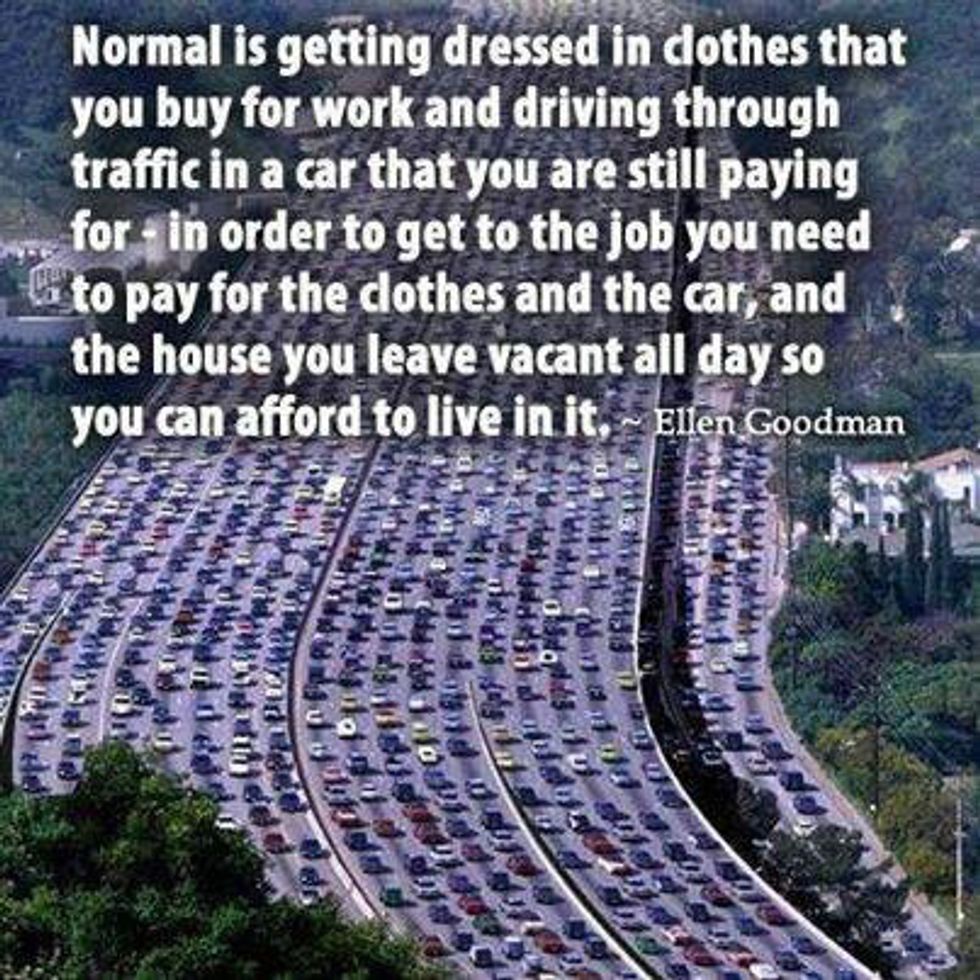
However, how is success being defined in our society? Are we talking financial, professional, personal (home life), spiritual, or material success? Additionally, as we become increasingly used to instant gratification, we may also start to expect immediate results in our attempts at leading successful lives (however we define success). As we feel this sense of immediacy, we are also surrounded by social media news-feeds and find ourselves inadvertently comparing our lives to others. The rat race has gone digital, and it’s so easy to forget that most of what is shared on social media is the moments where people finally hit those milestones, not the road bumps along the way.
Most people are racing towards this idea of a successful life, and people assume reaching their destination as quickly as possible will lead to having a happy, prosperous life that much sooner. But if we are always focused on obtaining happiness in the future, what happens to enjoying where we are right now?
In Daniele Quercia’s Ted Talk “Happy Maps,” Daniele shares his experience moving to a new city. He talks about how ignoring his GPS to take the slightly longer but more enjoyable path to work everyday changed his mood and outlook on life, and how this led to the development of an app that suggests not just the fastest, most efficient route, but the most enjoyable one as well. Daniele suggests that “perhaps we live in a world” focused on maximizing “efficiency” when we should instead be focused on “maximizing our experiences and ultimately our well-being” (TED Radio Hour, Daniele, 7:24).
Like Daniele, many are questioning if the stress of the most efficient path is worth it. Many of us have watched our parents chase the “American dream,” often at the expensive of their personal and family lives, only to retire with regrets and very little energy or money to travel and explore the passions of their youth. Yet the older generation still advocates this way of life and often calls our generation the “entitlement generation” for wanting more work-life balance.
Despite questioning our parents’ way of life, we still see life as a set of milestones with specific deadlines and thanks to social media, the pressure to keep up is only increased. However, this mentality can quickly ruin your emotional well-being because people who fail to hit every single check point “on time” now often feel like failures. Whether it is choosing not to go to college, not picking the “right” major, not graduating in four years or at all, millennials are feeling trapped inside the idea of the most efficient path as the only right path.
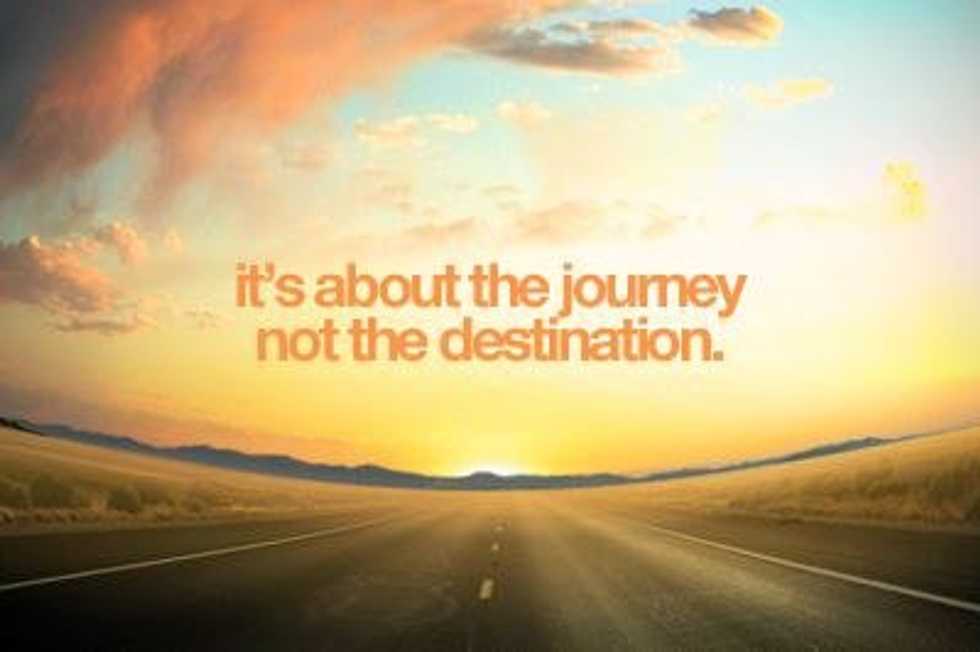
In reality, "life is not a straight line and it’s not a set timeline of milestones.” Everyone has their own path in life, and sometimes taking the less efficient path could be worth the extra time if it adds joy and beauty to our lives. Sometimes we forget it’s not about the destination. It’s about the journey. So take a moment this week to stop comparing your life to others or to the ideal life. Put away your phone or planner and enjoy where you are instead of worrying about where you are going.