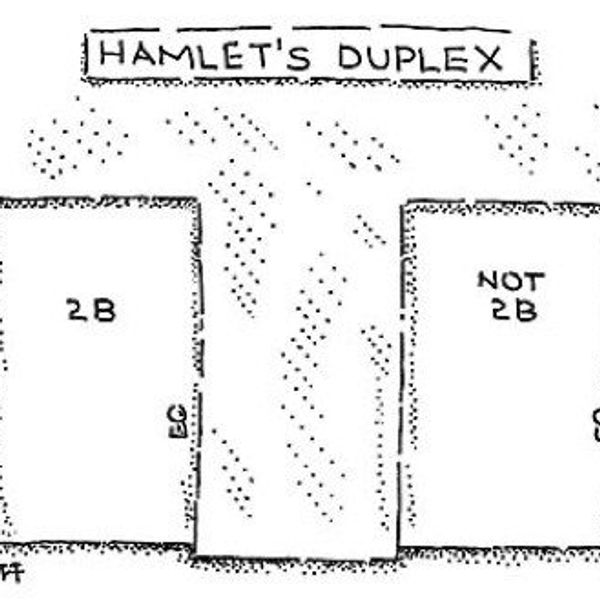
“The case for the humanities is not hard to make, though it can be difficult-- to such an extent have we been marginalized, so long have we acceded to that marginalization-- not to sound either defensive or naive. The humanities, done right, are the crucible in which our evolving notions of what it means to be fully human are put to the test; they teach us, incrementally, endlessly, not what to do, but how to be. Their method is confrontational, their domain unlimited, their 'product' not truth but the reasoned search for truth, their 'success' something very much like Frost's momentary stay against confusion.” - Mark Slouka, "Essays from the Nick of Time: Reflections and Refutations"
Budget plans are an unfortunate necessary evil. With their existence, we are forced to remember that money isn't in infinite supply, and that prioritizing necessities is the only way for us to remain productive without (hopefully, at least) going into (too much) debt. However, every state needs one, and it's the responsibility of each elected governor to come up with one that holds the state's best interests at heart.
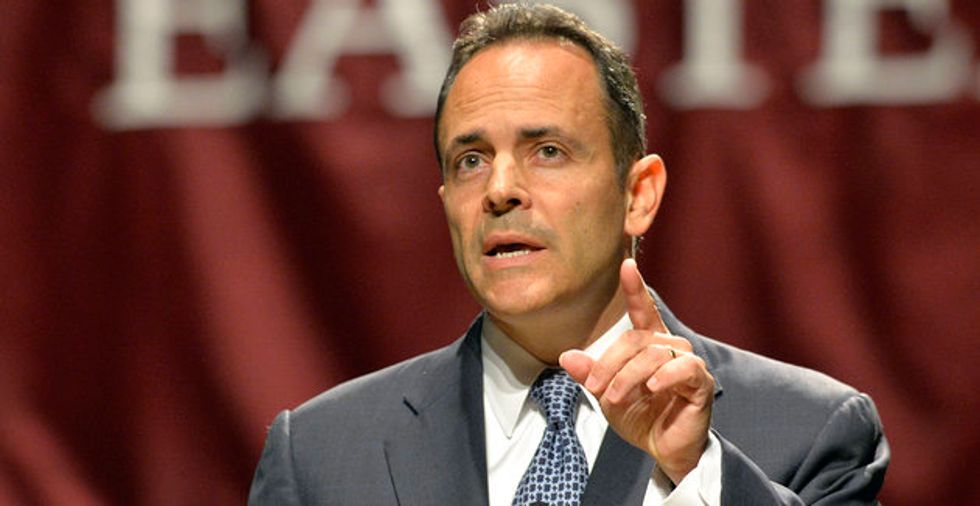
Earlier this year, KY Governor Matt Bevin announced his budgetary proposal : a two-year, 21 billion dollar plan, allocating 650 million dollars in cuts across the board. State institutions targeted for the 4.5 percent funding cuts to be made during the current fiscal year (which ends June 30), and the overall 9 percent cuts to be made in the next 30 months, include parks, workplace safety, public health, economic development, and universities. Among the state programs in which Bevin has promised to protect or increase funding for are the pension system ($1.1 billion), K-12 per pupil schooling ($39 million), police, prosecutors, public defenders, the Senate Bill 192 (aimed at curbing the heroin addiction epidemic), and DNA testing for rape kits.
Despite Bevin's attempt to claim that he is trying to prioritize education, forcing universities to add to stress caused by previous years of budget cuts demonstrates his particular indifference to whether or not everyone is able to receive a college education. Public higher education accounts for only 10 percent of the state budget, and yet is being burdened with 33 percent of the imminent reductions. The proposed 100 million dollar bond for public-private construction projects (such as EKU's "Campus Revitalization") would go to improving workforce development, and while alleviating some cuts to some institutions, cannot necessarily help all of them. according to the Lexington Herald Leader.
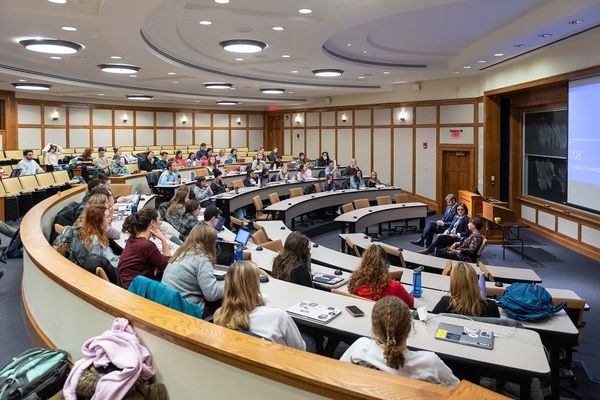
In 2018, Eastern Kentucky will face a 35 percent reduction ($231 million less) from what state funding was allocated in 2008, according to EKU.net. Bevin has expressed favor toward tuition and fee increases in order to alleviate some strains the budget poses on universities, iterating that "education is a privilege, not a right," says EKU's President Benson. Since 2009, EKU has increased its tuition by 25.5 percent, and the reductions proposed will most likely see subsequent increases implemented in the next two-three years. Not only do these increases put strain on current students, but they are making public higher education less accessible for high school graduates. Since the 2007-08 school years, annual tuition at public four-year colleges has raised 29 percent, while some states (such as California and Arizona) have raised their tuition by more than 60 percent, say Mitchell and Leachman in their article for the Center on Budget and Policy Priorities. While the increased tuition helps cut some costs, other areas like computer labs, library services, course offerings, and faculty positions have been eliminated in addition, limiting the entire college experience.
Already being affected is the EKU Writing Project, in which English Professor Sally Martin is being faced with the inability to continue the program in the next academic year. Though she is retiring, she has put a lot of care into the program, and will unfortunately not be able to "pass the baton" onto the person she's vetted for the position to be given to. More often than not, when universities are forced to make budget cuts, liberal arts programs are the first to be targeted. The value of a humanities or history degree has been painted as non-essential, and therefore Bevin wants to incorporate performance-based funding at the end of the three-year period, says the Commonwealth of Kentucky 2016-2018 Executive Budget Brief by Bevin and Chilton. "There will be more incentives to electrical engineers than French literature majors... All the people in the world who want to study French literature can do so, they just won't be subsidized by the taxpayers like engineers will be," says the Lexington Herald Leader.
Bevin believes that the cost of services should fall on those who can benefit from them; so, in this case, the students. The average college graduate's debt from student loans in 2013 was $30,000, and has likely only increased in the three years since, according to U.S. News. Depending on how long someone is actually in college, that debt can be multiplied threefold, resulting in a decade-long attempt to repay what they owe. While I agree that higher education is a privilege (made more so with the qualifications for entry and the choice to attend), performance-based funding seems an outdated tactic to me. If education is really the privilege, and not the right, we should be rewarding those students who attend regardless of what they choose to major in, rather than slash programs to make ends meet. I realize that cuts will be needed, but pitting the arts against the sciences, and leaving the kids who want to pursue the former due to the primitive belief that an arts/humanities education is not useful or practical to fend for themselves, will only serve to further the divide between the amount of people attending colleges and those opting not to.
Regardless of how the state, and the universities, decide to proceed, it will never make logical sense to force students to pay more for less opportunity. Cutting funds to developmental programs (library services, computer labs, writing consultations, clubs, liberal art courses) will only promote a decrease in the values and creativity that make this country so great.