

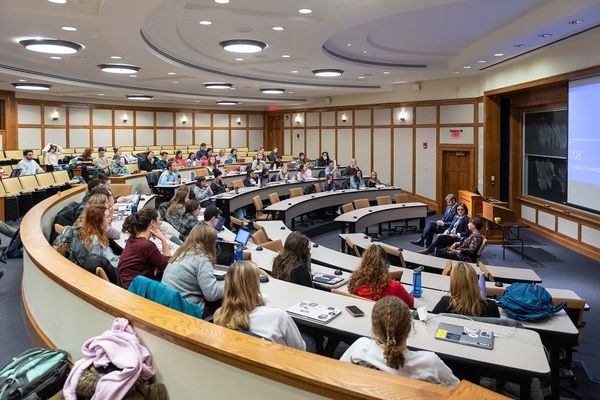
Whether you are in high school, college or already have a career, it seems like time is our biggest competitor. How are students supposed to go to school for eight hours, do homework, play sports, participate in clubs and activities, help around the house with chores, spend time with their families and get at least 8 hours of sleep? And adults have the added stress of paying the bills on time and supporting their families. In a world where time is always escaping us, we forget to focus on the important things in life. We lose ourselves in a constant time loop of the same repetitive routine every day. Wake up, rush to eat breakfast and get ready, go to office/school for the majority of the day, come home, finish up some work, eat dinner and go to bed. It's a monotonous life that can make us feel as if we are becoming mindless machines who go through life without enjoying the small, precious things we experience. But what if we could pass on all of this responsibility to actual mindless machines, and finally be free to live our lives without constant stress of work and school?
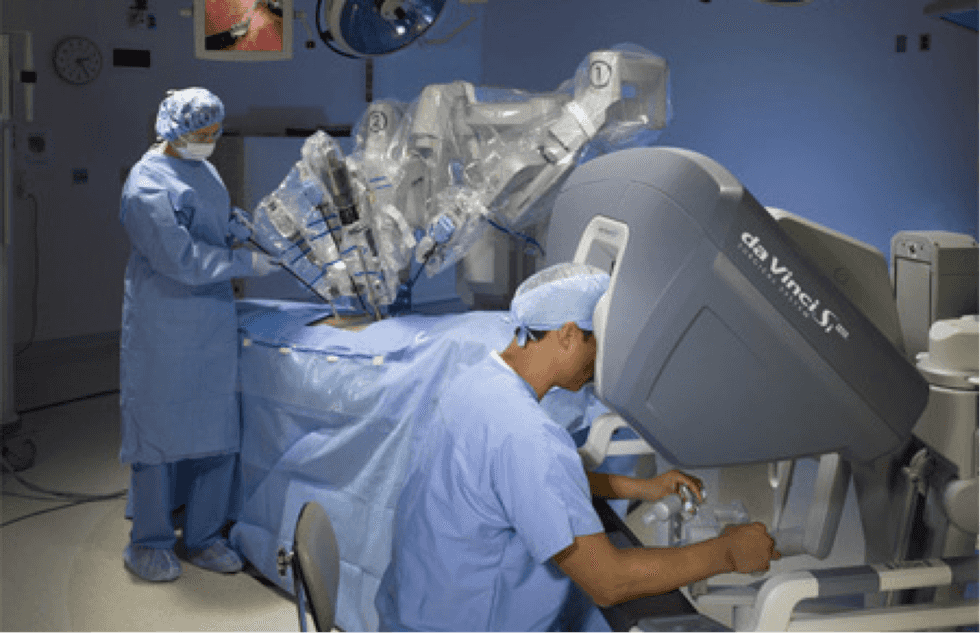
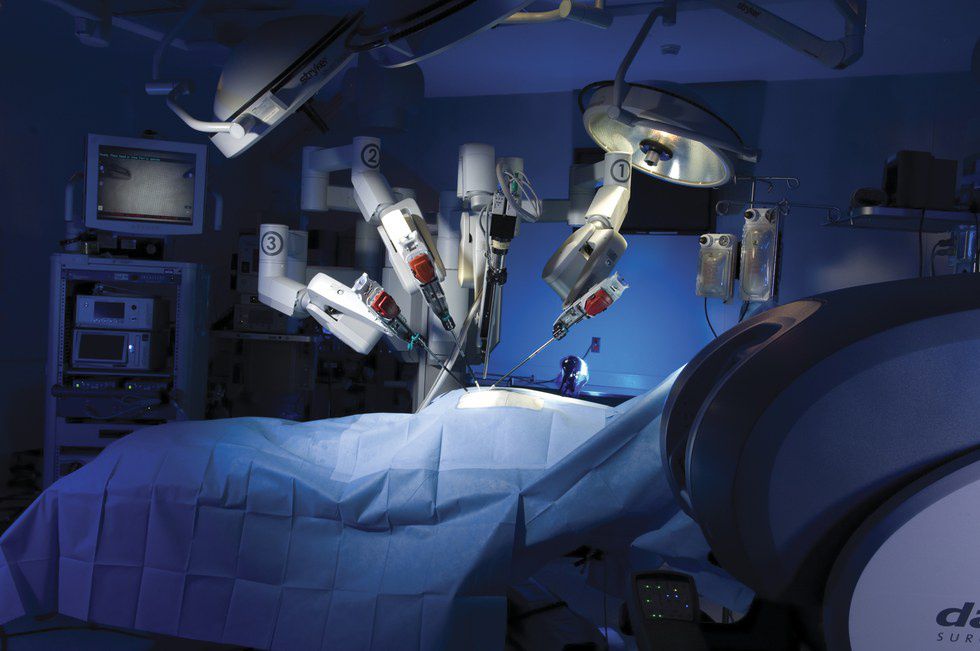
Currently, robots are being developed to perform tasks such as surgeries. Human surgeons must go through years of education and training in order to gain enough experience to perform surgeries. Even after all of this practice, there is a high rate of human errors that are made, such as performing the surgery on the wrong patient, on the wrong site, or other complications. The rate of error is lower when surgeries are performed by robots rather than humans. However, there is still a lot of progress to be made when it comes to robotic surgery. Not all types of surgeries can be performed by robots, and it is not as efficient as it probably will be in the future. But sometime in the future, robots will be considered better and cheaper surgeons than humans. Other jobs such as bus or taxi drivers will possibly be replaced by self-driving automobiles.
As of now, the United States is classified as the most overworked industrialized country. Approximately 134 countries around the world have laws specifying the maximum length of the work week, but the United States does not. Due to this, an average American worker will end up working 137 hours more per year than Japanese workers, 260 more than British workers, and 499 more than French workers. The implementation of a mincome system could alleviate the stress that Americans feel due to their long work hours.
Unfortunately, things will probably get worse before they get better. Change will not happen overnight, and mincome will probably not be enacted at the same time that jobs are replaced. Before we reach the point less stressful and more enjoyable lives, our country will face a period of high unemployment rates and a possible recession. Citizens will lose their jobs before they start earning mincome, which makes a transition to the technology-driven world more arduous.
Although the future is uncertain, it is important for us to start making positive changes in our lives. It's easy to get lost within our jobs and studies, but we must take the time to appreciate the people around us and explore the simple pleasure of our world. We must remember that we are not machines; our minds and souls need exposure to more situations than we will ever face within the walls of our offices and schools. Many of the most important lessons in life are not written in any textbook or taught in any lecture; therefore, finding a balance between work and enjoyment is essential to our success.
















