
Stigmas. A word, thought, outlook, and perception that separates the whole of American society. It reaches through our insecurities, our own personal lives, and breaks us down a little bit inside. Culture, weight, gender, race, and diseases are all things that each individual human being is a part of. We all have something that makes us tick, something that makes us different, something we struggle through, and something we triumph with. Our entire culture defines a person by these stigmas, rather than their personality and their attitude. No single person should be defined by the disability that they have. We all have our battles, our weak points. These characteristics should never define a person.
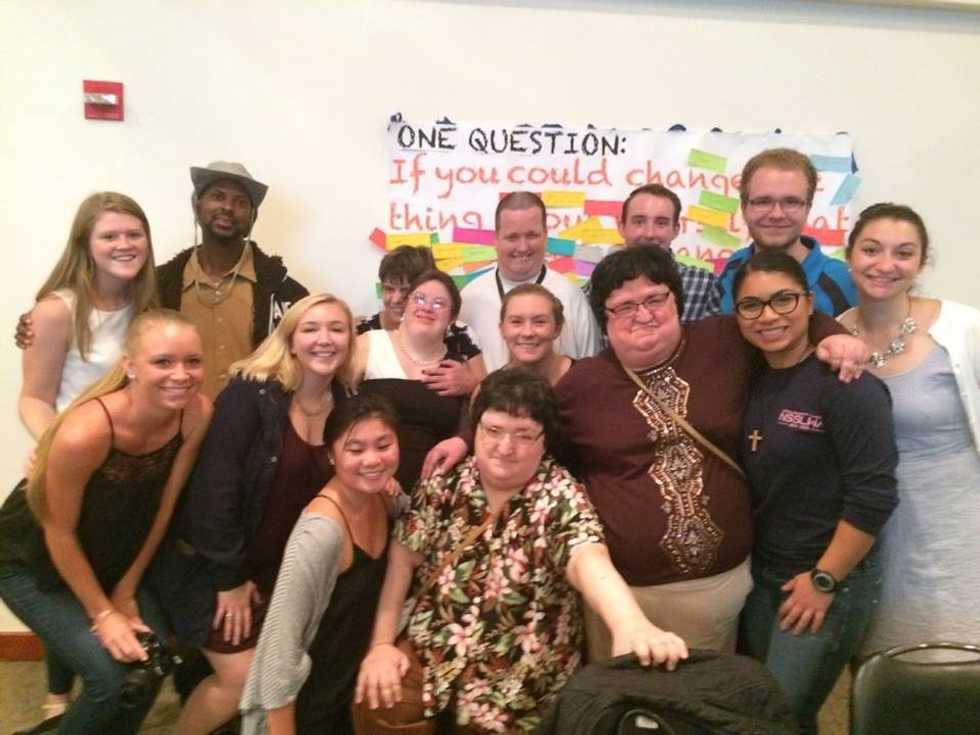
Loyola University Maryland recently hosted an event in conjunction with not only other groups on campus, but also The ARC of Baltimore. The entire purpose of this event was to bring awareness to those with disabilities, allowing college students to take a look into their life, see how they live day to day. It takes a lot of courage to openly speak about ones insecurities, but the panel of seven people courageously did just that. They spoke about their fears, their favorite things to do, their relationships, and their jobs. Heather, one of the panelists, opened the event with a speech that she wrote in high school. The reoccurring theme? "I just wanted to be like everyone else." she spoke, salty tears prickling in the audiences eyes. Truth is, we have all felt that way. We have all hoped to fit in, scared of not making friends or becoming an outsider. It is all human emotion, something we all feel at some point. So why are we creating a barrier?
Since the beginning of human kind, those with disabilities, both mental and physical, always carried a negative stereotype. Lots of progress has been made, but us as a culture are still not all united. Anybody with some type of medical problem, an inability, is looked down upon. It is statistically proven that nearly one in five people have a disability within the states. It is becoming, as awful as it seems, a commonality. If we are not suffering from something, we know somebody who is. We have seen their progression, seen how they have changed, grown, and flourished. Hope is not lost. Breaking down barriers would have to be started by stopping connotations and starting awareness. Those who are educated in a mental inability know how to handle themselves, know how to act around the disabled, and know how to treat them. This education needs to start with the younger generation, those still in the educational system.
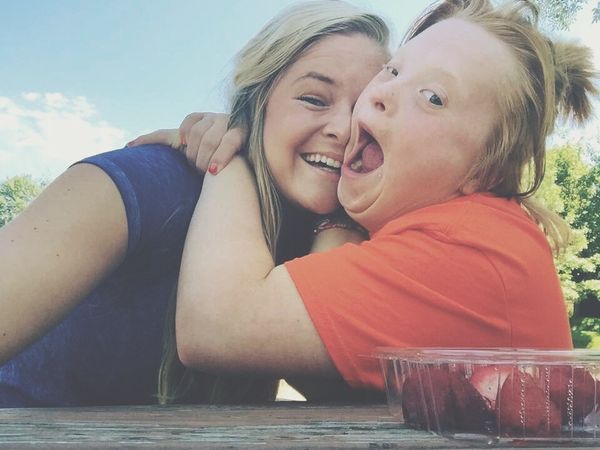
Disabilities are not negative. I have been affected by a loved one with a physical disability. It is a difficult life to live, a difficult road to go down. But the thing is, it is not all negative. More people need to realize all the positives that people give us. They ground us, bring us back to reality, make us laugh, make us happy, and create human bonds and emotions that will shape our character, personality, and actions for a lifetime. I have learned and practiced many important life skills such as patience, problem solving, acceptance, inclusion, altruism, sacrifice, appreciation, self-control, responsibility, service and understanding.