
One out of every five individuals in the United States is diagnosed with some sort of disability. Around 53,000 adults living in American have either a physical or mental disability; they were either born with one or developed it at some point during their life. Yet, a study done in 2003 by Rutgers University discovered that individuals with disabilities are virtually unrepresented in the workplace. Out of all of the employers questioned, one-third said they believed individuals with disabilities could not effectively perform job tasks. Many people also noted that they did not hire these individuals because they did not want to pay for special costly facilities. These are complete misconceptions; individuals with disabilities often live productive, successful and happy lives. At some point, most people encounter an individual with a disability. It may be obvious or hidden, physical or mental, a child or an adult, this tends to make anyone who isn't comfortable or doesn't know the etiquette when speaking to someone with a disability uneasy or nervous. How to respectfully treat someone with a disability may not always be obvious, but it's not a topic people often discuss. I, personally, never genuinely learned anything about disabilities in school besides the science behind why they happen, until late in high school when I choose to be involved through special education programs. Many people do not understand that people who have disabilities are still people, and when you speak to them, whether it be in a grocery store, school, work or somewhere else, here are some things you should know.
Do not assume anything. Just because someone may be nonverbal or have a physical disability does not mean they can't understand you. Assume they can; talk to them like you would anyone else. Make eye contact, talk at a normal pace and tone, do not "dumb down" what you're going to say and offer another way for them to communicate with you. If an individual is nonverbal, try introducing yourself and say, "If you want to be my friend, give me a high five." Just because they struggle to communicate how they feel or think, does not mean they don't have opinions — they do! Often they just need a little extra help expressing themselves.
Speak person first. Never refer to an individual with a disability as disabled unless its necessary information. If you are going to tell someone about a person with a disability and you find it essential to mention the fact that they have a disability you should say "person with a disability" as opposed to "disabled person" They are a person; they have a disability. Refrain from using any words or terms that link an individual to their disability. It is most respectful to refer to someone with any disability by just his or her name. Although this seems like a simple ideal, it's one most every people do not recognize as essential.
If you know someone who is related to an individual with a disability, do not apologize. A disability is not a death sentence. Individuals with varying disabilities are capable of finding friendship, love, education and work. Just because their life won't be the same as yours does not mean it will be bad. Avoid negative words that imply tragedy such as afflicted with, suffers, victim and unfortunate. Their disability is not a hardship to overcome, but a part of what makes them an individual and helps motivate them to achieve goals.
Be conscious of an individual's age. If you encounter someone with a disability, even if it's just one time, ask their age. Not only is it a good way to learn more about the person, but it will also help you choose words and activities appropriate for age. Do not refer to a person with a mental disability as "kid," or any other term that refers to someone younger than you. It is degrading to talk down to someone, regardless of who they are.
Do not assume to know a person's diagnosis based on seeing a service animal. Service animals can be beneficial but are not limited to individuals with low vision or blindness, traumatic brain injury or seizures. No matter how cute they are or how well you know the handler, do not touch a service animal while they are working. They are doing a job; any distraction could prevent them from properly caring for their individual.
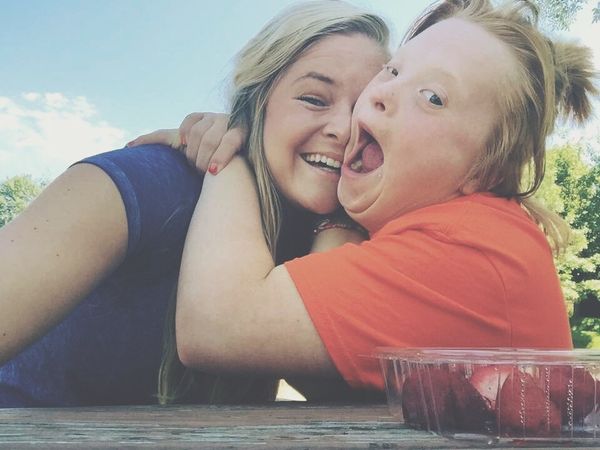
People with mental disabilities do not get a free pass; it's OK to correct them. Individuals with mental disabilities sometimes have a hard time picking up on social cues; they may often be affectionate in a way you may not be comfortable with. It's OK to ask them not to touch you in a certain way, and it's also OK to correct inappropriate language or behavior. This will help them. You may feel it's not your place, or they won't understand, or they may even react badly. A lot of mentally disabled people know the rules but will test their boundaries, especially with strangers. It benefits with an individual's development and social cues if you help guide them to appropriate behavior with eye contact, respectful tone and word use and guiding an apology or what they are supposed to do.
Individuals with deformities or disfigurement are used to being stared at when people aren't talking to them and then having people look away from them or looking through them when they are being spoken to. Just because they look different does not mean they have any sort of mental disability. Make eye contact, compliment them and make them feel included. Talk to them in the same way you talk to anyone else; do not contribute to stigmatizing people who look different.
If you talk to someone with an obvious speech disability, be patient. Do not pretend to understand them if you can't. They know you are not used to hearing people speak the way they do and will not be offended if you ask them to repeat themselves. Do not rush them to finish what they are saying, make them comfortable, nod along with them as they speak and respond with questions that require short answers in order to not exasperate them. Talk normally. Do not feel like you speaking clearer or louder will change the way they speak or how easy their speech is to understand because it won't.
Yelling at someone who is deaf will not make them hear you better. Deaf individuals cannot hear! No matter how loudly you yell, they still won't be able to hear you. Most individuals who are born deaf in North America communicate through American Sign Language (ASL), which is signs made by hand movements, combined with facial expressions and posture. Individuals who could at one point hear, usually can read lips or hear low sounds through an implant. When speaking with anyone who is deaf, it is important to make eye contact, talk slowly and clearly and annunciate.
When interacting with the blind, always introduce yourself before making any type of physical contact, often those who are blind may need guidance; do not assume this. Ask if they need help or to be guided in any way. But do not assume they cannot do things on their own; they have lived productively their whole lives, and they are capable. Don't be afraid to use words like "blind" or "see." Their eyes may not work, but it is still "nice to see you."
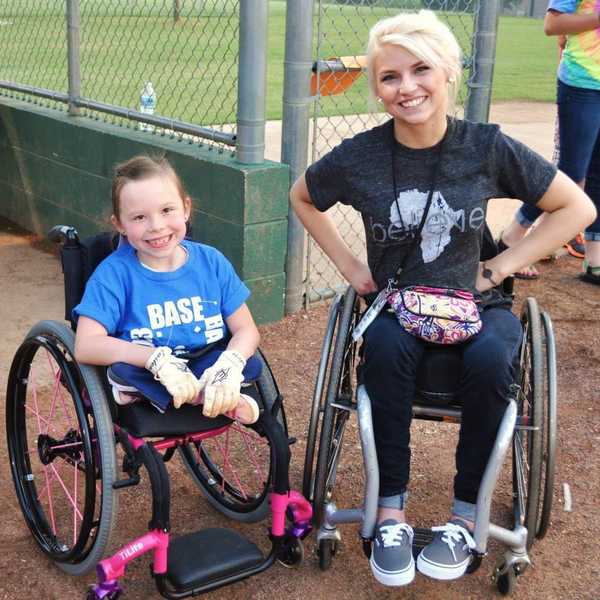
It's important not to look down on people with wheelchairs. You wouldn't crouch down to talk to someone shorter than you; don't crouch for someone in a wheelchair. Changing your height to be at their eye level will make them feel like you're talking down to them. If the conversation is extended, feel free to sit down. This way the person in the wheelchair isn't staring up at you, after long periods of time this strains their neck. Make eye contact; do not stare at the wheelchair; they will notice. Do not rest your part of your body on a wheelchair, or touch their wheelchair at all unless you have been asked to.
When people who have disabilities ask for any sort of accommodation, be respectful; ask questions about how you can make them more comfortable. Just because they do things differently than you does not mean it is bad, annoying or weird. Be accepting of their lifestyles, and be supportive!
Refrain from categorizing disabled individuals as heroes because they accomplished an everyday task. Just because a person is living a successful, productive life does not mean they "overcame" their disability or that they are brave and courageous; they are just normal people doing normal things.
Disability vs. Handicap: A disability is a condition that limits a person's vision, hearing, speech, mobility or mental function. A handicap is a barrier; this could be stairs for someone in a wheelchair. A person is not handicap, a person is not disabled and they have a disability, which causes handicaps that an individual can overcome.