I am white, and yes I know what that means. I know what this says about my ancestry, and me. Yes, I am ashamed of the things that were done by those who share the color of my skin. I know my part in the conversation. I am privileged in ways that I don’t even recognize. I have expectations to receive things that others have fought and died for. Terrible acts have been committed by my ethnicity, but I am not, and I believe that society is not, ready to move on. This is a divisive subject, and both sides have their merits, but I believe that equality is not yet possible.
Crimes were committed that have destroyed cultures, we can’t just “move on.” There has been irreparable damage that must be confronted. In many cases we shy away from the conversation because we’re afraid to say the things that we truly think, and I completely understand that.
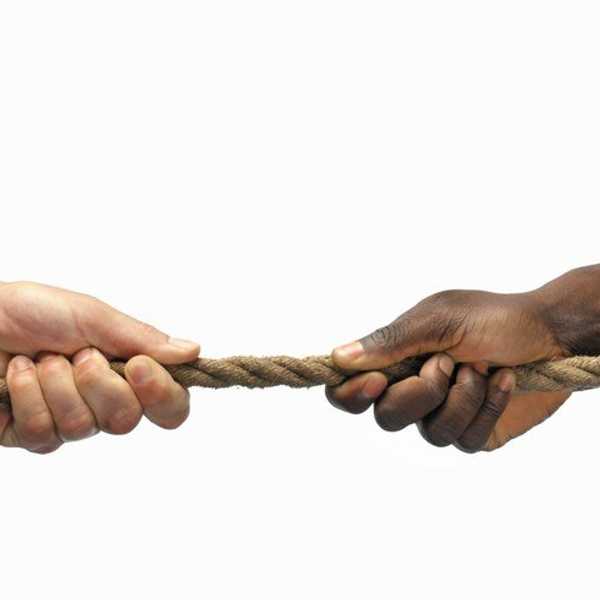
Please, don’t take this as solid fact, I am merely one man who is speaking from my extremely limited perspective, but we need to talk. I believe that we shouldn’t strive for a color-blind society, but rather one that sees race as beautiful; a society that celebrates diversity and differences, and strives for the maintenance of all cultures equally. I know this is idealistic and, some may say, ignorant. I know there is history that makes this nearly unachievable, but I have hope that, in our small corner of influence, and in our minuscule place in mankind’s timeline we may move closer to achieving equality.
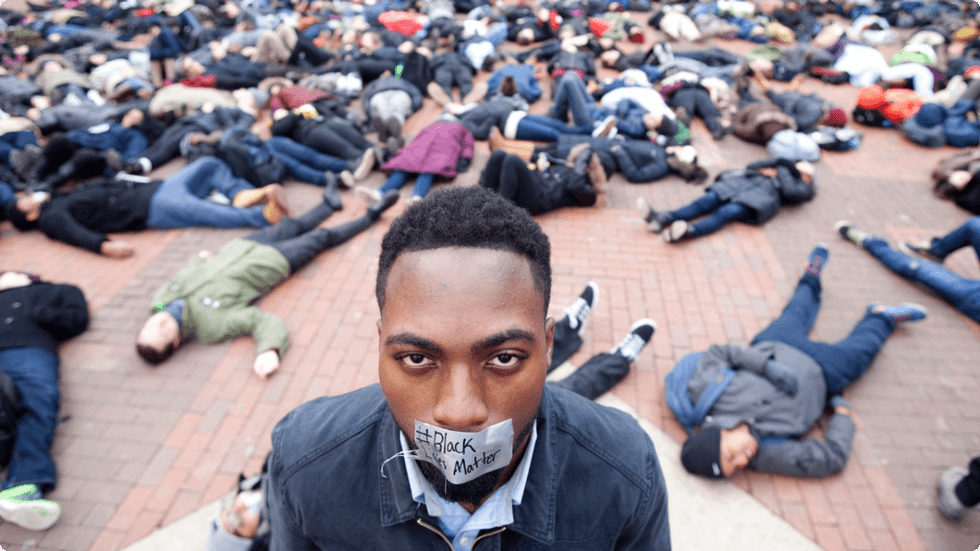
The current conversation points are ethnically decided scholarships and racially defined quotas for employment, with the pervading commentary being that these show that racism has somewhat shifted against the Caucasian race, coining phrases such as “reverse-racism.” This vocabulary, however, is harmful to the overarching commentary. Just as calling any presidential candidate “Hitler,” is an insult to the victims of the dictators tyranny, calling any form of racial prejudice “racism” or any variation of this, is an insult to everyone who was enslaved and tortured due to their ethnicity or those who face a society skewed against the color of their skin. We must first educate our conversation to move forward. Yes, prejudice exists, but we are a long way away from the experiences of racism that the African American community has experienced.
I understand that we, as a race, are afraid. We are fearful that the just judgment that our ancestors accrued will be paid out on us, and if we don’t air these tensions out they may, but if we talk about it and allow for an open conversation it is an avoidable future. This doesn’t mean that we won’t see any retribution for the acts of history but we may be able to do it in a more balanced and beneficial manner. We aren’t ready to move on. As long as there is an observable difference in college attendance along the lines of ethnicity and likewise in corporate employment, plus many other statistical disparities, the reach of racism in American history and present culture is not finished, and this probably will mean a lot more than race based scholarships and employment quotas. We can’t skip these essential steps in pursuing equality, and again, you have the right to completely disagree. That is what this is about. We need to talk, without any presuppositions of who is right and who is wrong, but we also need to change our vocabulary to one of compassion and understanding. White Americans do not face racism, at least in the perspective of this conversation. The evil acts in history are too great to compare any act of prejudice to, so we must stop trying. There are much better things to say and better ways to say it, so instead of talking circles around the same old topics, let’s talk about what we can do to reach reconciliation and, further down the road, a more comprehensive form of equality.