
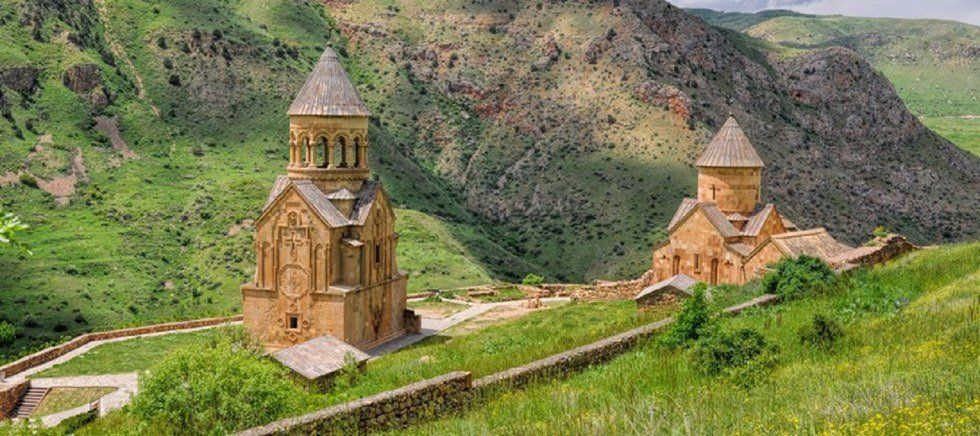
My last name is Weisel. The last name's German. It means 'leader.' It makes it easy to erase a tragic past. I’m Armenian-American. Armenia is insignificant to most large countries, has no major political instability, it's about as big as Hawaii, and in 1915, there was a genocide. This is how my great grandparents survived one of the darkest times during WWI. The story is patched together through several small stories told across several extended family members since neither great grandparent told the whole narrative in one sitting. I was told this tale by my father, who has gathered all the stories so he could tell his kids where we came from and what our history is.
A bit of background.
The Ottoman Empire conquered Armenia in 1453, and Armenians became part of a Christian minority. The Armenian population were largely well educated, respected, and economically well-off; this created animosity across religious and racial lines. The Young Turks rose to power in 1908, creating a multiparty parliamentary system. This new government was thrust into WWI and centuries worth of animosity came to a head. In 1915, the Young Turks started to ethnically cleanse the Armenian people. The Young Turks set Armenians on death marches, massacred and starved them, and Germany covered it all up. My great grandparents, aged 4 and 8, grew up in the middle of this atrocity.

Marinos Manougian, my great grandmother, was born around 1908-19911 (we don’t know the exact date.since most records during this time were destroyed). She was between 4 and 7 when the genocide began. Her father was a jeweler and lived in a big house. She never told anyone how he died. Her mother was pregnant at the time. In front of Marinos, the baby was cut out and stabbed, followed by the murder of her mother. It’s believed that her Turkish nanny saved her, although this is only the most logical explanation of how she was saved. She was put on an orphanage boat heading for Armenian orphanages in France.

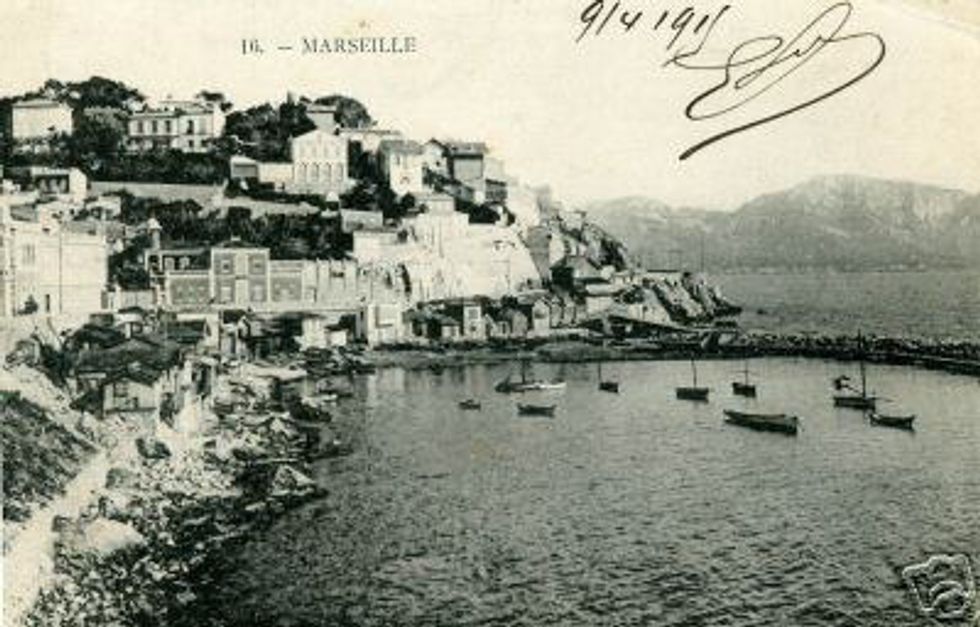
Garabed Mardirossian, my great-grandfather, was between 8 and 13. His father was a tailor and we don’t know how he died. His children and wife made it to a refugee camp in Greece. Garabed was trampled at one point during the journey and had his hip displaced. It never properly reset, and one shoe had to be two inches taller than the other for the rest of his life. In the camps, Garabed lost all his family presumably to disease. He found his way to Marseilles, France. There, he got a dock job and raised money and worked up the job ladder within the company. When he had enough money, he went and looked through orphanages with Armenian girls to find a wife. This is where he meet Marinos, and later married her.
My great grandparents' legacy.
In Marseilles, they had four children -- two boys and two girls. The eldest, Christ, ended up becoming a dock master who was in charge of over a thousand workers. He owned a condo yards away from Vieux-Port de Marseille, and a house an hour outside Provence where he grew spices.

My grandmother, Grandma Anna, was the first girl born to the family. She was a typist for the mayor of Marseilles until she saved enough money to come to California in search of a husband. She ended up marrying my grandfather and moving to Moscow, Idaho, where she lived until she died in the early 2000's. She had two kids and four grandchildren.
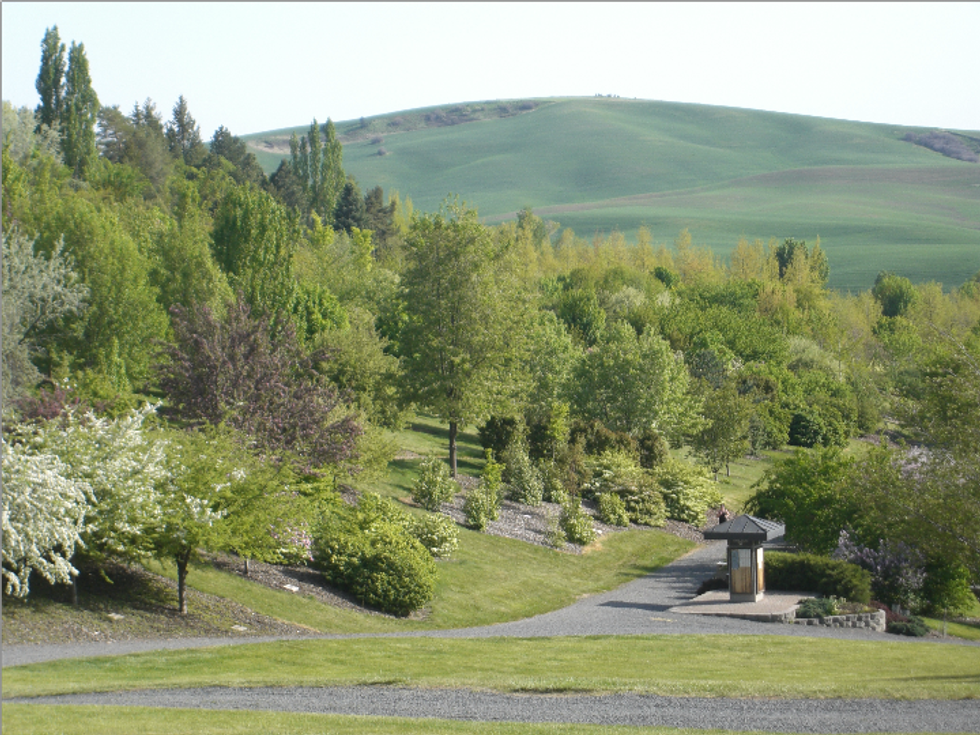
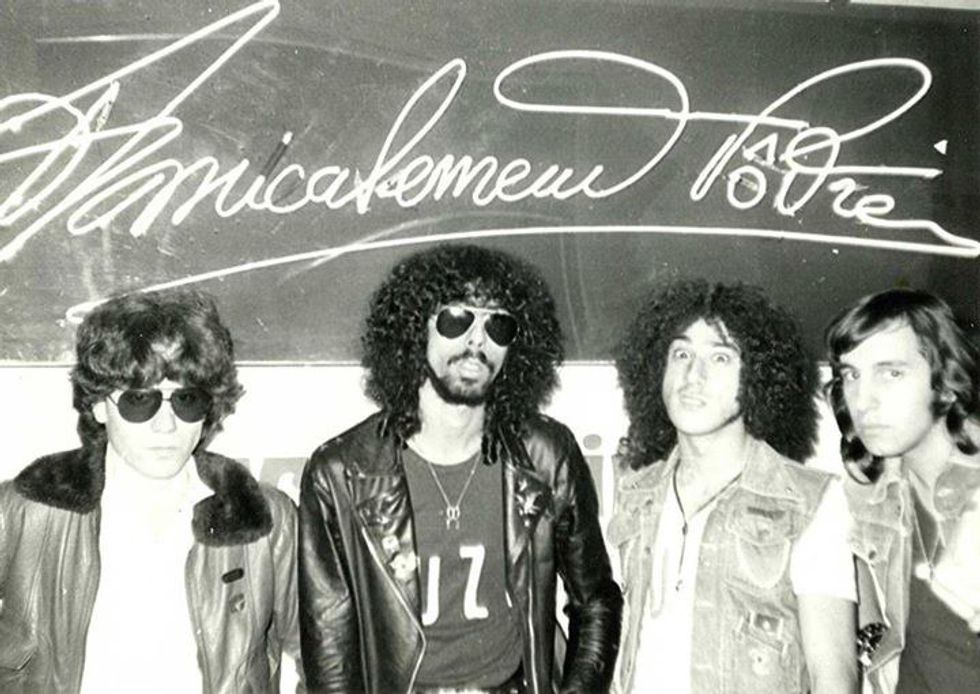
The second boy, Pierreo, was a trucker. He had two boys who, for a time, were the number-one heavy metal band in all of France: Fuzz.
The youngest daughter Genevieve managed a boutique outside the Sacré-Cœur. She and her husband lived in a part of Paris where some of the U.S.’s former presidents owned condos. Genevieve's husband was a famous pianist who played for Liza Minnelli when she was in Paris, and was the regular pianist at Le Follies Bergere. He also taught many of France’s lead mistros how to play jazz and rock.

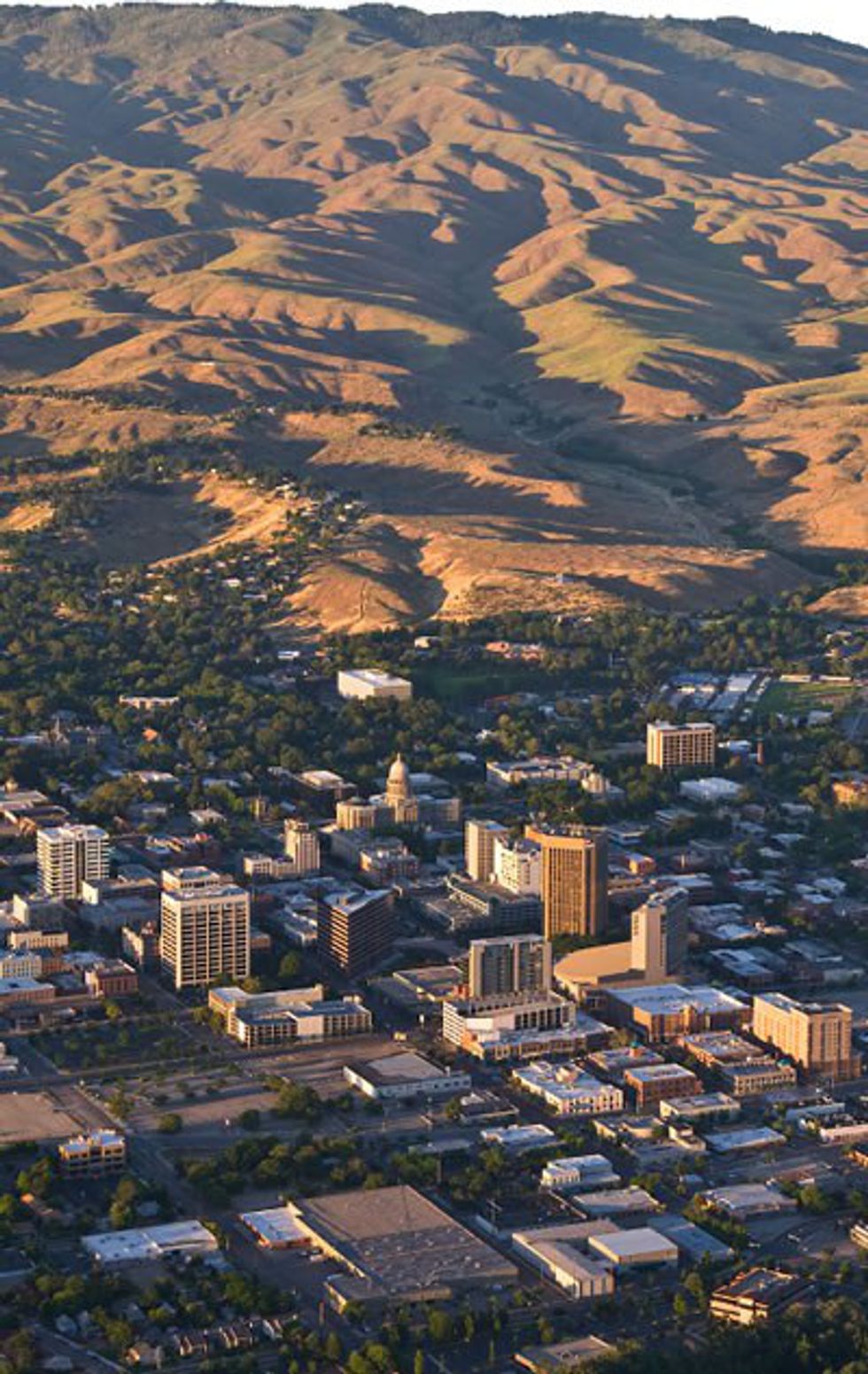
My father ended up marrying my mother in Boise, Idaho, where they raised four kids in a multicultural community. My family is still working with refugees and internationals, many whom have come to America fleeing from a geonocide themselves. My sister is currently studying abroad in Uganda, learning how refugee resettlement and post genocide communities in Uganda work. I’m working on a degree in theatre arts and creative writing as forms of empowerment. My brother wants to become a sustainable farmer. My other sister is bring the jeweling and tailor skills back into the family.
Their legacy is alive and well. I'd like to think my family trying to help people that went through what my great grandparents went through is an honor to their memory and the 1.5 million other people who died in 1915.
Why is this important?
It's been 101 years since the Armenian Genocide. In that time, there have been several horrific genocides -- the Holocaust, The Rwandan Genocide, and so on. Many of these events in the last century have gone unchecked with out the intervention from the U.N. Furthermore, these genocides have created massive displacement of people and world power debate on whether or not to take these people. When refugees get to a safe country, they have to deal with the racism in those countries and even the fear, in some, of being sent back to their own country. What is going on and happening around and in Syria is the best present-day example of these policies. I shared my great grandparents' story to show what it's like fleeing a conflict and how even after so much pain and trauma, they still created a good life for their children. It is time for everyone to stop being so passive when it comes to genocide and mass displacement and move.