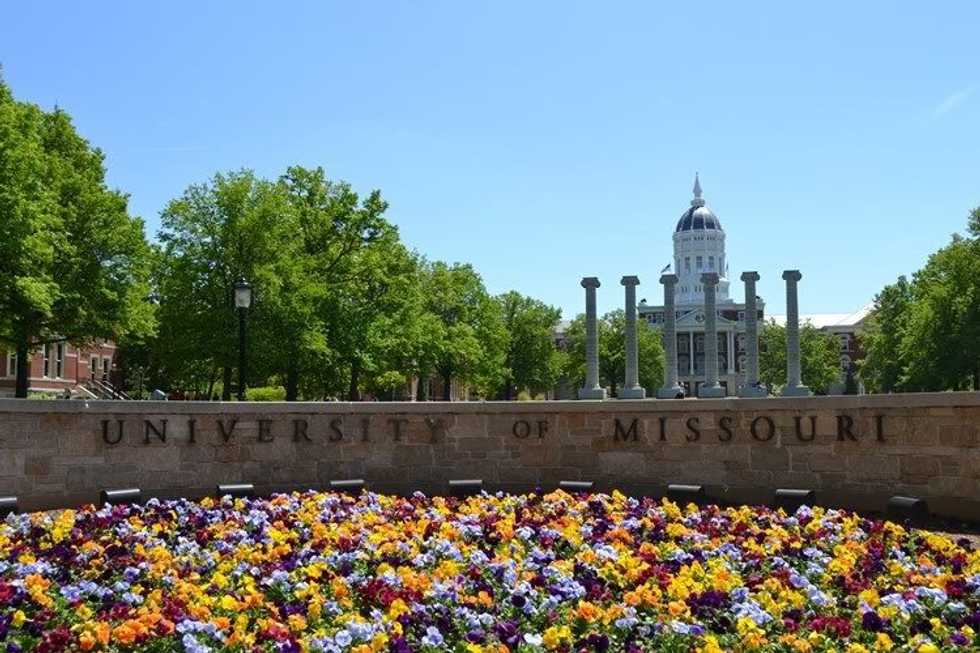
This past week, several events came to a contentious boil at the University of Missouri. Whether it was the resignation of the university’s president, or the protests leading up to it held by activist group Concerned Student 1950, each news story coming out of Mizzou revolved around racism on campus. Mizzou's history with racism and struggle with diversity on campus is alike many other colleges in America; deeply rooted and in dire need of being addressed. Though the responses to the aftermaths of Mizzou’s student activism have been divided, I strongly believe that a great deal of progressive good came out of it all.

Recognizing Racism

As much as we would like to say and believe that “racism is over” and that since it’s 2015 “times have changed,” both of these statements could not be further from the truth. We love to pretend that the murder of Emmett Till was not a mere 60 years ago as much as we love to pretend that police brutality and racism have no correlation. We overlook fraternities chanting "There will never be a ni**** SAE. You can hang him from a tree, but he can never sign with me” and label them as drunken hooligans rather than the racist bigots they are. We allow people in power to say racially insensitive statements because their intolerance and ignorance is apparently permissible.
There are far too many Americans who wholeheartedly believe that racism is a thing of the past. I hate to break it to you blissfully ignorant non-believers, but racism is alive and well. Though this wake up call might not be cheerful, recognizing racism is the first step to eradicating it.
When people begin to realize that the University of Missouri only began accepting black students in 1950, they’ll start to think. When people realize that even after multiple mass shooting threats targeting black students circulated on campus, classes were still held as per regular schedule, they will realize how necessary the Black Lives Matter movement is. Feigning color-blindness for the sake of preserving this idea that racism does not exist only works to keep the oppressed oppressed and the oppressors in power.
Recognizing Collective Power

When it comes to change, people love to say “start small.” I have often found that people who start small, think small, and ultimately fall short when grappling with a large change. In the case of the students at Mizzou, their list of demands for change probably seemed impossible to achieve upon creation. Requiring an immediate removal of the university’s negligent president, and an increase of black faculty members were among the Concerned Student 1950’s requests.
After garnering support from fellow students and the college’s football team, the first two demands were swiftly met. Students are often thought of as inferior to figures of authority, and they easily forget how much power there is in numbers. People are quick to shy away from attempting to justify injustices because of the obstacles that they may face, or simply because they are convinced that change is impossible.
2015 has been a tumultuous year and citizens nationwide have made it clear that they want their voices to be heard. The Concerned Students 1950 are perfect examples of how effective collective efforts can be. Those who demand change and work tirelessly to receive it are the ones pushing this nation in the right direction.
The Power of Being an Ally
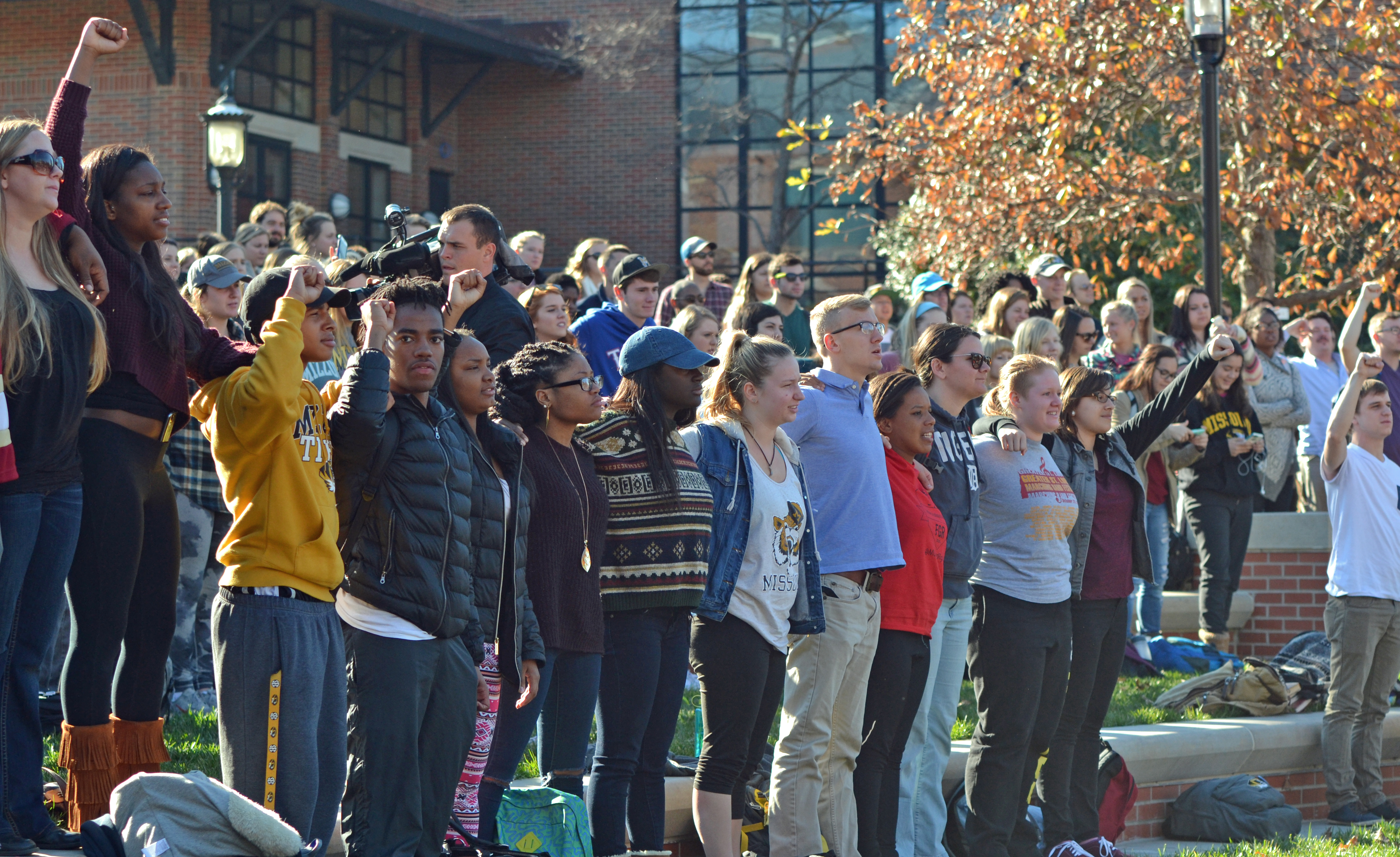
More so now than ever before, the role of the privileged ally has played a major part in overcoming racial tension. In simpler terms, white students have been recognizing racism, and joining their minority peers in fighting against an oppressive system. When there are white activists protecting black activists, police are less likely to respond violently, and news headlines will report far more unbiasedly. When white students acknowledge racism on campus and decide to join their minority peers in their fight for justice and change, the movement becomes that much stronger.
I was overwhelmed by the number of Facebook friends I had who posted status claiming “To the students of color at Mizzou, we, students of color and allies at ______ College stand with you in solidarity. To those who would threaten your sense of safety, we are watching. #ConcernedStudent1950 #InSolidarityWithMizzou.”
At the end of the day, we are all human, we all want equal rights and equal opportunities. Those who are oppressed can surely put up a fight, however with allies, the steps to change are larger, more effective, and entirely more progressive. I believe that this is what sets our generation apart from the Civil Rights Movement generation. Colleges all across the nation have expressed their support and solidarity by staging walkouts and holding rallies. When thousands of students of all races are outraged and demanding change, something has got to be done. The students of the University of Missouri have shown the nation how it can be done within a community of 35,000; there can only be progress from here on out.
After all, it is 2015, it’s about time for change.