
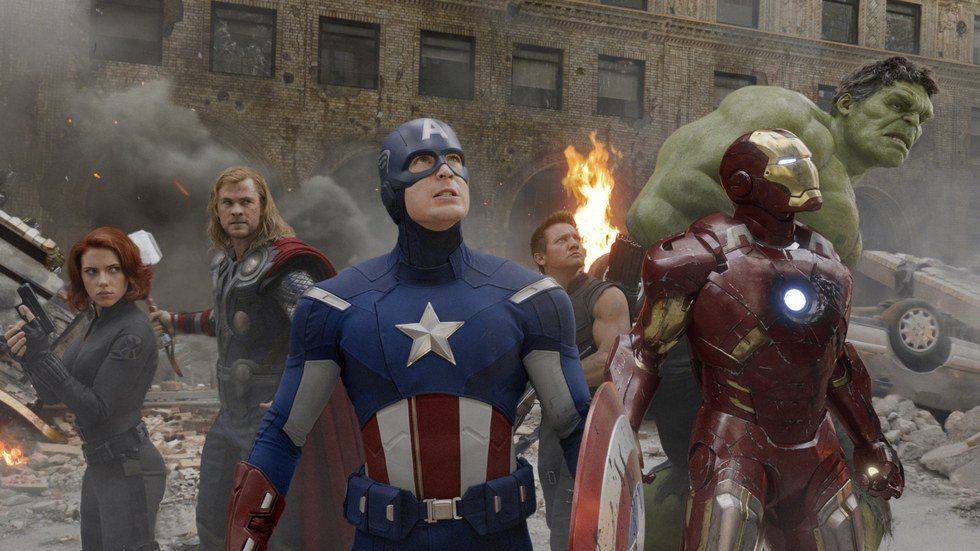
If you look at a calendar of this year’s upcoming movies, you might notice something—specifically, the wave of superhero movies coming out in 2016. Looking ahead, there are at least three or four such movies coming out per year from 2017 onward. Having grown up in the early 2000s—a time when "Avengers"-style features, crossovers, and cross-movie continuity were unheard of—I can say that the comic book movie has matured from a niche production to an inevitably profitable blockbuster. It is the runaway success of this juggernaut of a genre that has led many to pose a question: are we seeing too many superheroes on the big screen? To explore the answer to that question, one should observe the source material of these films.
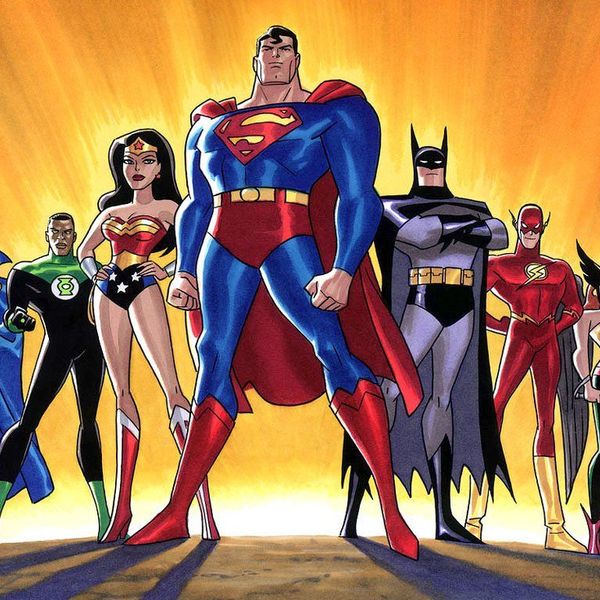
I’ve found most comic books to be energetic, unique, and original stories; escapism in the form of panels and flashy splash pages. However, I’ve always felt that despite this big strength, comic books have been and to an extent still are alienating to some people. The primary reason, from my perspective, is the amount of lore and history behind some of pop culture’s most beloved heroes and heroines. For example, Superman is a character that is over 75 years old, and his comics have seen many different story arcs, retcons, reboots and re-imaginings. The average non-comic book reader, as a result, may have no interest in reading Superman comics due to concerns that the character’s mythology is too muddled and confused. This is where comic book movies come in.
We comic book fans often purchase trade paperback or omnibus books to have all our favorite titles and stories in complete, convenient, and sometimes hardcover collections. I like to think of comic book movies as “trade paperbacks” for the uninitiated; they are ways for non-readers to understand and enjoy the things that comic book readers love without having to deal with backstory or other complex elements. 2004's "Spider-Man 2" is an excellent example of this observation, paying homage to the '70s era of the "Amazing Spider-Man" comic while also brilliantly summarizing and condensing the elements that make the character and his world interesting. The bottom line is that these movies replicate the success that the comic book industry already has in print form by expanding the audience for superhero fiction. Yet, it doesn’t end there.
The modern superhero film has done more than just share the stories and success of comics with people who don’t read them. It’s turned comics and superheroes in general into something more than things that nerds like. It’s turned them into something that can be taken as seriously as any other form of fiction. Movies like "The Dark Knight Rises" or "Captain America: The Winter Solider" have tackled themes of redemption, the fine line between good and evil, the nature of revenge and other thoughtful points. The best of superhero films of today and the past few years have captured the humanizing and interesting aspects of comics and translated them to the screen. It is this characteristic—these movies’ amazing ability to turn something as silly as a man or woman in tights fighting evil into something grand and genuinely engrossing—that is the genre’s greatest superpower.
So, are we seeing too much of superheroes in cinema? Personally, I must disagree. Comic book movies today are the new Westerns—escapist fantasy that hooks us in with grounded characters and drama. They’ve impacted both cinema and the comic book industry in positive ways, and one can only hope that this genre continues its critical and commercial success. There are a lot of superhero movies coming out this year and in the next few years, but the number doesn’t faze or worry me. As far as I’m concerned, I’m already getting my tickets.