

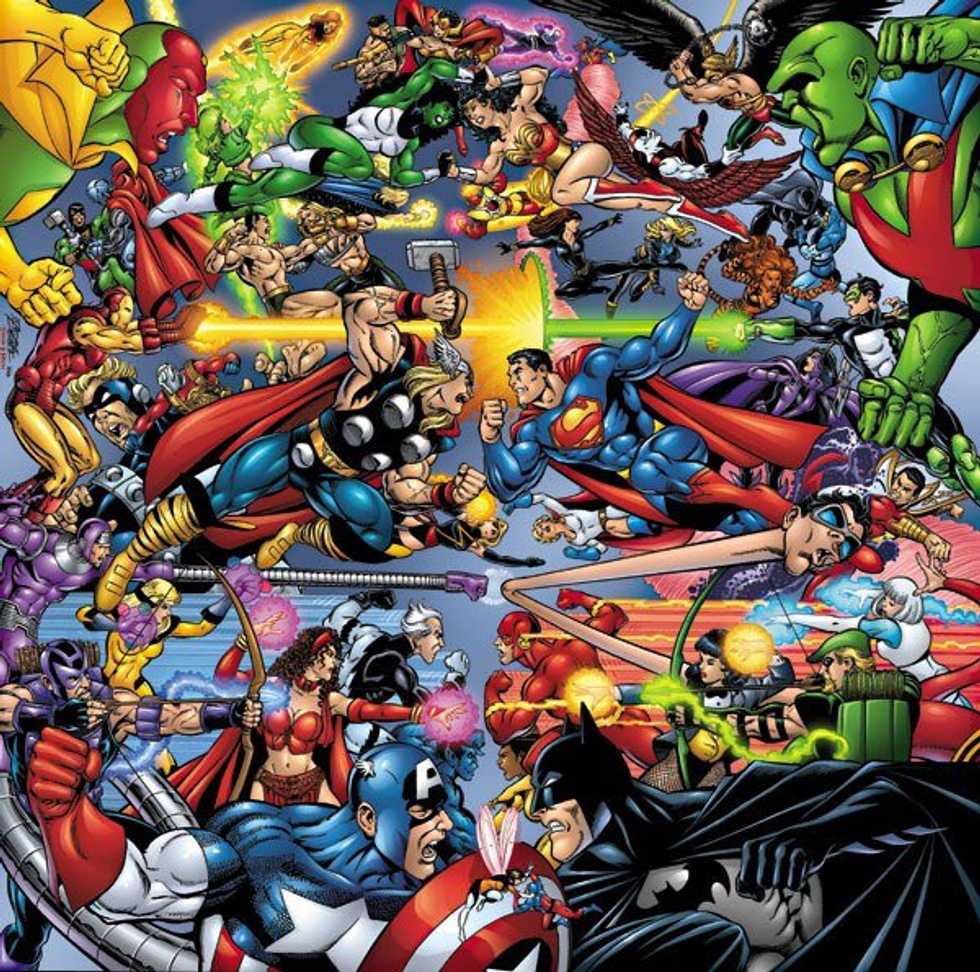
Since the release of “Iron Man” in 2008, comic book characters have had a resurgence in popularity. “X-Men” were popular in the early 2000s, the first film releasing in 2000, but it wasn’t until we got Robert Downey Jr. in that red and silver suit that superheroes became a topic of daily discussion for a large portion of the world. There is a continued debate that pits Marvel and DC against each other, but putting the companies aside, let’s look into some of the most memorable comic book heroes (and villains) of the last eight years of incredible entertainment and see what makes them so admirable.
I’m going to step away from the obvious like Superman, Batman, and Iron Man for this. We all know what makes them powerful and sought after for film and television—even my 2.5-year-old nephew knows who Iron Man is. What about some of the other heroes and villains who came to power in the last few years and had a lasting impression?
1. Captain America (and Bucky Barnes, aka The Winter Soldier)
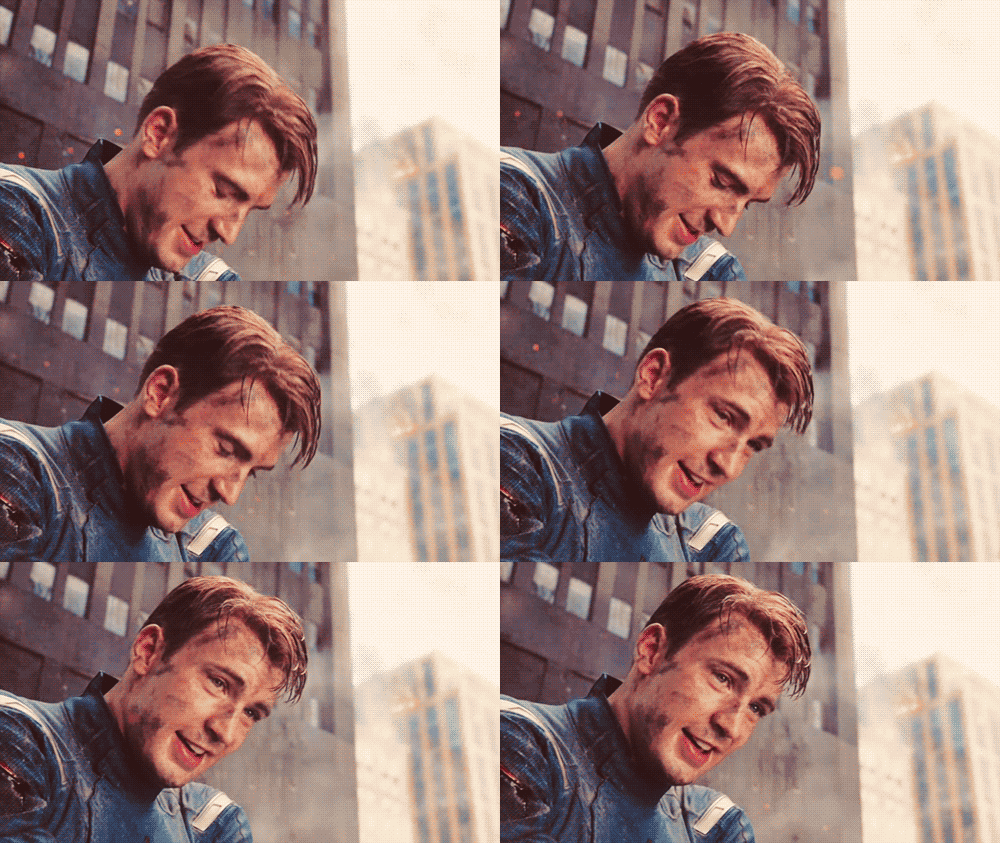
Until Chris Evans was wearing that red, white, and blue suit, I’d never heard of the Cap. What makes him so admirable? It could definitely be his patriotism, or even just Chris Evans being the face of him in the Marvel Cinematic Universe (MCU). The power of the Cap seems to rest in something else, though. His heartbreaking story of fighting in WWII against both Nazis and Hydra, then being separated from his sweetheart, Peggy Carter, when he was frozen in the Arctic after his plane went down does create a lasting impression. Captain America loved and lost and I think we can all relate to that. Peggy Carter went the rest of her life believing that he was merely killed, never knowing that he survived—after a 70-year slumber.
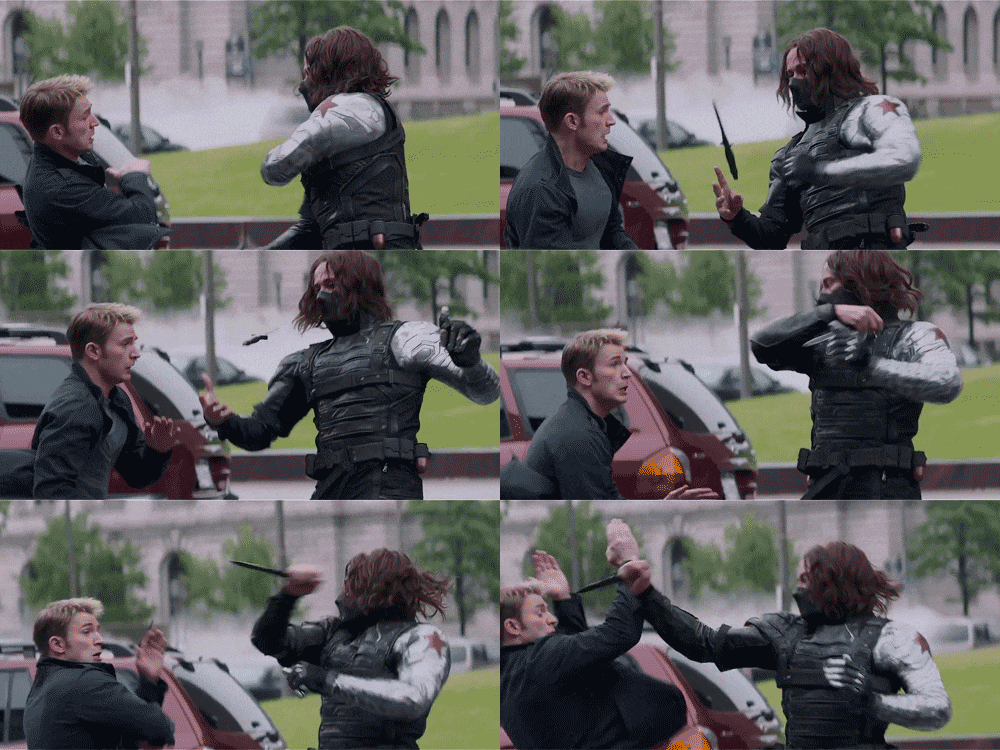
And what about that metal armed killing machine? Bucky Barnes is a real fighter in “Captain America: The First Avenger,” always staying right by the Cap’s side through their fight against Hydra—until he falls out of a train over a snowy mountain side and “dies.” In “Captain America: The Winter Soldier,” we’re reintroduced to the Cap’s old best friend, but Bucky is no longer himself and has taken on a new persona after the brainwashing done by Hydra.
Good old Hydra: destroying friendships and love since 1942.
Throughout this 2014 film, the Winter Soldier and Captain America are thrown into a whirlwind, but why is this story so important to the MCU? Why the Winter Soldier and not another Captain America villain? It seems to be the horrible betrayal that Captain America faces upon realizing the man after him was his best friend once upon a time. How good could anyone feel upon discovering that their best friend from over 70 years ago is out to kill them and the head of the department they respond to (Nick Fury), all because of the same bad guy from all those years ago (Boo, Hydra, boo)? Not good, I’d say.
2. The Green Arrow (and… all the villains from the last four seasons)
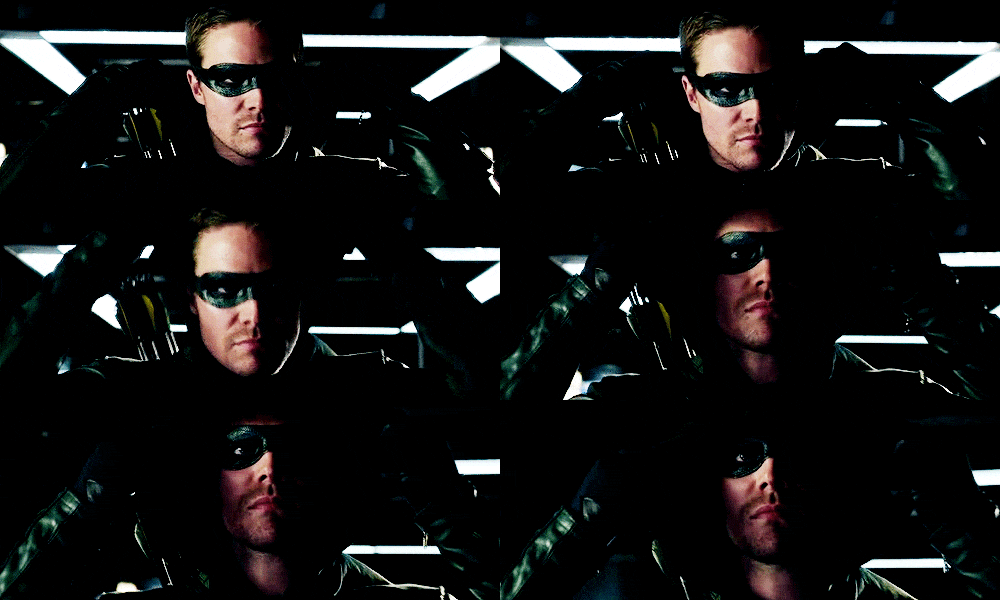
You can ask any of my coworkers how I feel about the CW’s “Arrow” with Stephen Amell at the helm. I’m obsessed. I fell behind this first part of Season 4 due to school, but I adore this cast and all that’s happening in Starling—I mean Star City. The Arrow, real name Oliver Queen, is a vigilante who, in the first season, feels little remorse when it comes to killing the baddies who have “failed this city.” (Imagine a deep, masculine voice yelling this at you with an arrow pointed at your chest. The Arrow is a scary dude, even if he started Season 1 being called the Hood by authorities.) The Arrow redeems himself after the loss of some important people in his life causes him to stop murdering. His five years lost at sea and on a remote island call to me for a sad backstory, and what he comes home to and faces in the years following make the Arrow and later Green Arrow (same guy, evolving name) a real hero who is finally getting the hang of knowing what is right and wrong.
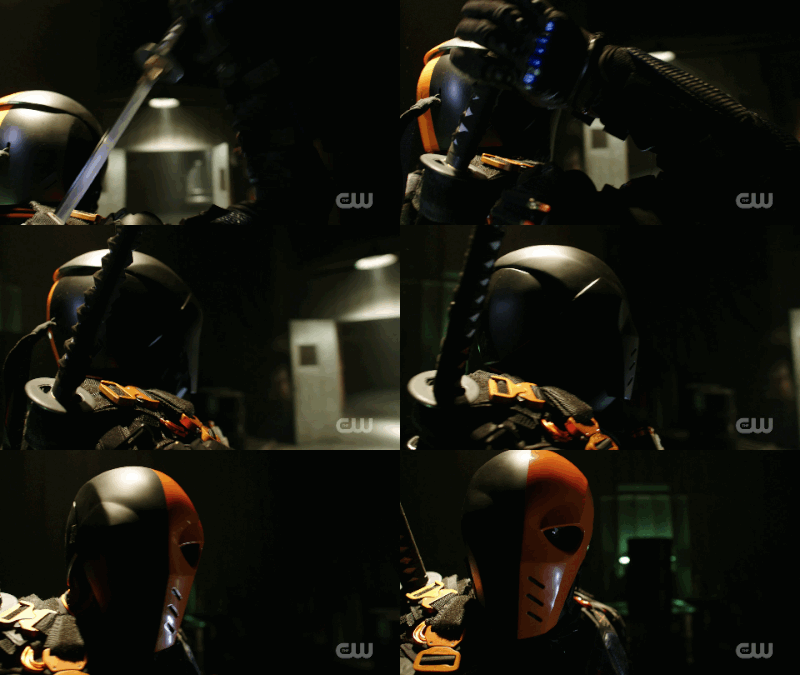
Bad guys on this DC Comics television show are ever changing. Season 1’s main failure to Starling City is Malcolm Merlyn played by John Barrowman (“Doctor Who” fans should know that this character is nothing like Captain Jack Harkness). Malcolm Merlyn is a frightening man out to get an entire district of Starling City to sink, but he’s not quite as terrifying as Season 2’s Slade Wilson, aka Deathstroke. He has a vendetta against our hooded hero, who tried to kill Slade in their time on the same deserted island in those mysterious five years Oliver Queen was presumed dead. Slade brought mirakuru jacked soldiers to Starling City, effectively destroying most of the city until the Arrow came to the rescue. But Season 3, the last full season I saw, was an intense season with Ra’s al Ghul as the big villain of the season. If you’ve seen “Batman Begins,” the 2005 Christopher Nolan film with Christian Bale as the Dark Knight, Ra’s al Ghul may be a familiar name to you. He is basically pure evil with an army of murderers at his beck and call. Regardless of the season, there are seriously emotional, tear-inducing moments throughout, and in each season, you’ll be faced with either the big evil of the season to hate or some other random lowlife.
3. Jessica Jones (and Kilgrave)
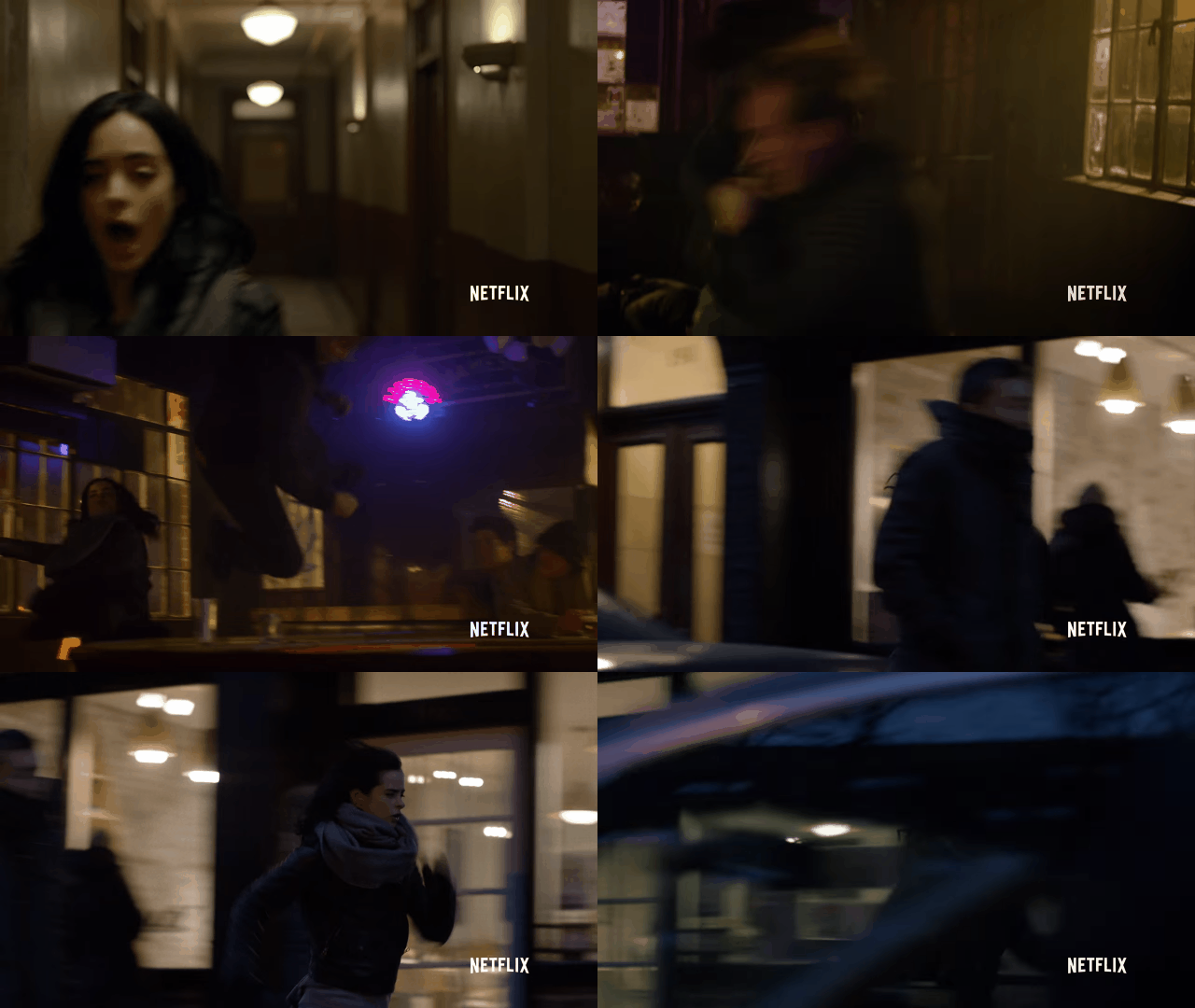
I knew absolutely nothing about Jessica Jones before hearing that Marvel was putting out a Netflix original series centered around her. Jessica Jones, played by Krysten Ritter, is strong (superhuman), smart, kicka**, and dealing with PTSD. As a private investigator, Jessica Jones helps discover the cheaters and the liars hiding among everyday Hell’s Kitchen society. Those who usually come to Jessica for help are trying to catch their husbands or wives in compromising positions and usually, Jessica gets those images. Upon the introduction of a missing NYU student’s parents, Jessica is thrown back into a part of her life she thought she left behind—the part of her life in which Kilgrave had utter control over her every thought and action. What makes Jessica Jones such an incredible character is that she is smart and a strong fighter, but that the show (and comics) discuss her day-to-day struggles with PTSD. She’s got demons in her closet, and no one shies away from it. A real girl with real problems, even if those problems are supernatural in origin.
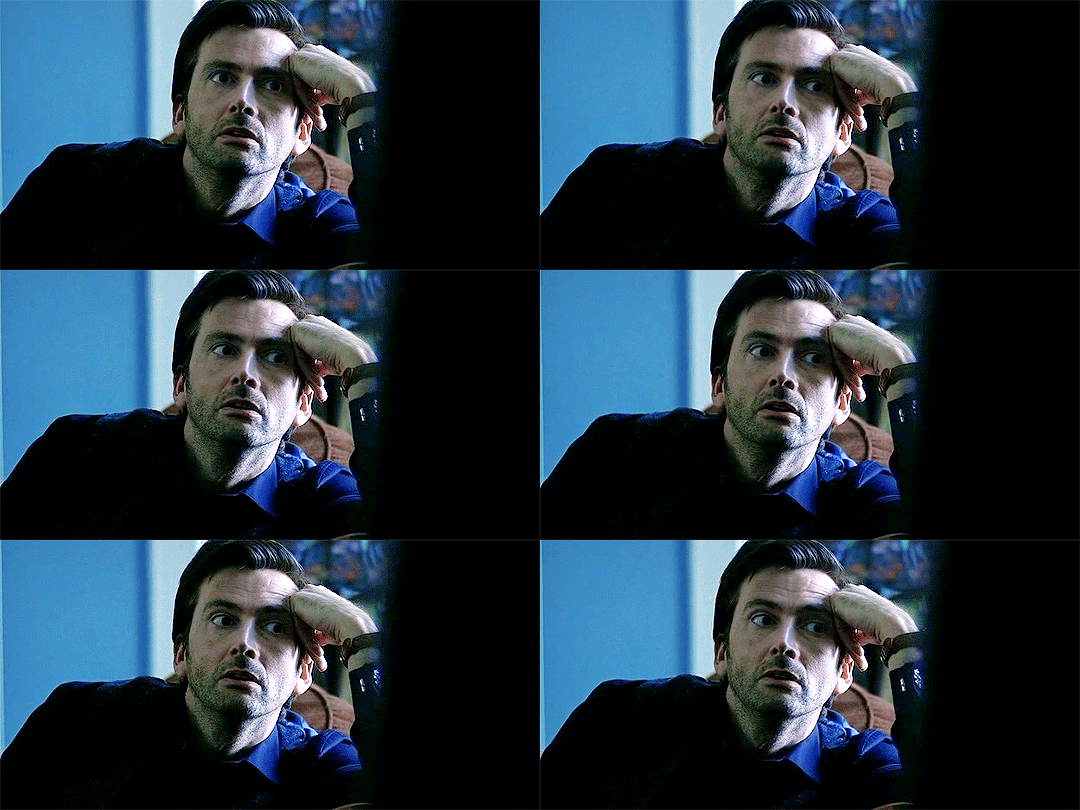
Kilgrave is a purple-wearing abuser who has the ability to control minds. Kilgrave doesn’t see that any of the things he does are wrong. He takes control of young minds, like Jessica and Hope Shlottman, and he uses his ability for, well, evil. Being in control of minds, Kilgrave makes women do things they normally wouldn’t, including but not limited to forcing them to be with him. Kilgrave is not against murder and definitely not against getting what he wants, no matter the cost. He threatens anyone in his path, and manipulates each and every person he crosses. If Kilgrave’s ability and everyone else's inability to deflect him isn’t terrifying, I don’t know what is. Why we love to hate David Tennant’s Kilgrave is clear—this character his no sympathy, empathy, or any emotions other than give me what I want or die. ("Doctor Who" fans: Tennant's character is nothing like the Doctor.)
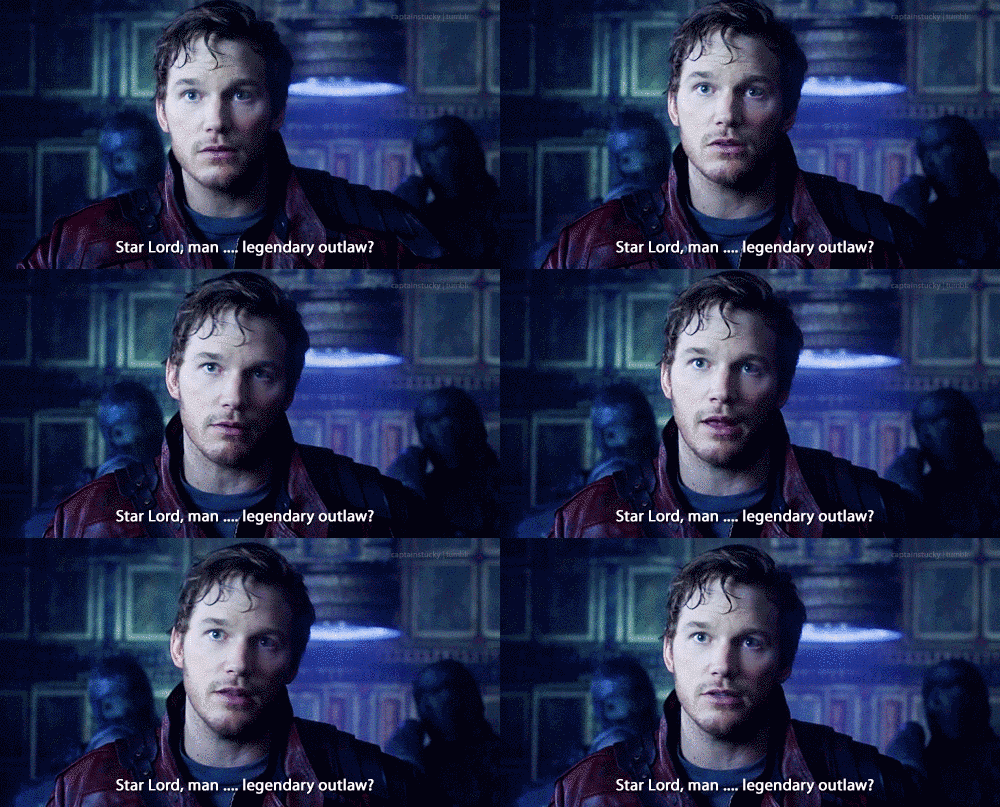
I could go on for ages about “The Flash” and “Agent Carter,” about Thor and “Supergirl” and even the “Guardians of the Galaxy,” which isn’t strictly superhero but it is comic based. I’ll stop here though and put out there that the men and women of the comic book world are impressive in the complexity of their lives and the challenges they're put up against. It’s heartbreaking to consider the kinds of things so many of the characters mentioned, and those not, deal with.
It is important to remember that just because these characters are fictional, some of the heartbreak they endure, such as the death of parents (poor Batman), is felt by the everyday person who doesn’t have superpowers or a Bat Cave to wallow in when they’re feeling low. These characters, though fictional and flawed, are an escape from the everyday pain that the real world person has to deal with.
















