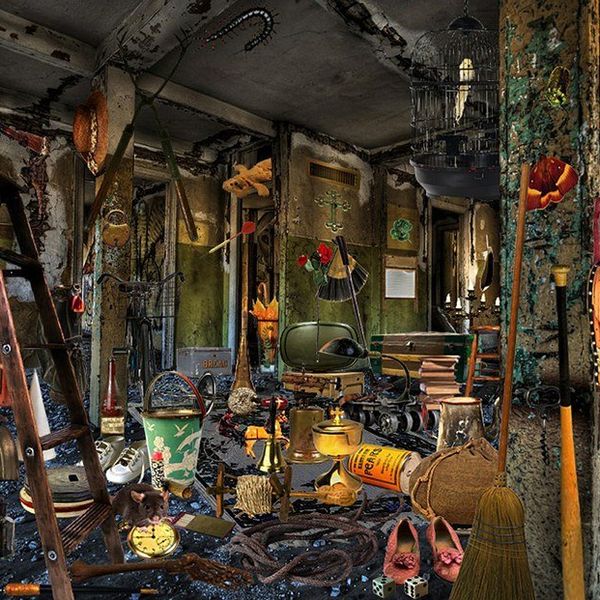
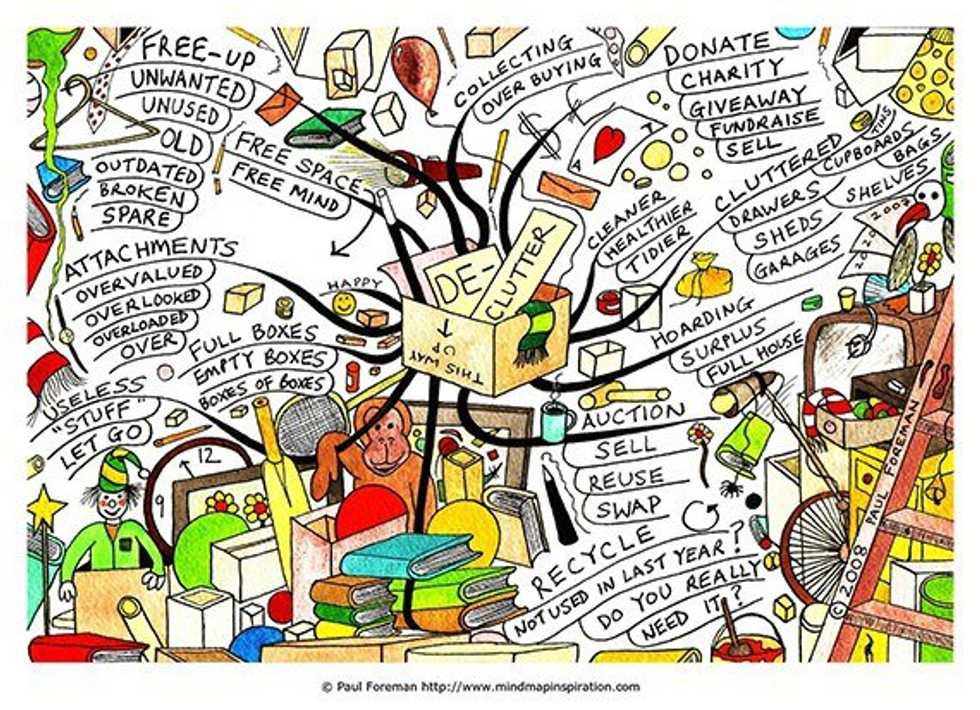
My room looks like it can be featured on TLC’s "Clean Sweep" or any other TV show that features extremely messy rooms in need of cleaning. It is covered in boxes and luggage–an ideal space for my playful kitten, but overwhelming and distracting for me. I dread unpacking my college wardrobe and accessories. I’ve come to the realization that I own too many possessions. Scrambling through my luggage to find a pair of shorts, I’ve found shirts only worn a few times. Looking for my sunglasses, I’ve discovered costume items worn during Halloween, only to be neglected for the remainder of the year. Why do I own things only to be used once? Why do I have so many trivial things?
The American economy is based on consumerism, under the assumption that purchase power leads to an expansive and booming economy. According to PBS, “the American consumer was praised as a patriotic citizen in the 1950s, contributing to the ultimate success of the American way of life.” Today, consumerism thrives due to advertisements that appeals to our desires, from an ideal appearance to the affirmation of one’s social status. If we own such items, we are taught that our desires will be satisfied, that we’ve attained “happiness.” However, such wants cannot be fulfilled by said item. There is always another newer and trendier item that surpasses another item. Whenever a new iPhone version is released, people line the block, eager for their newest device.
Items owned by many include the computer, which has the power to foster global community, enhance one’s education and promote government transparency. Objects include powerful medical devices, which can save lives. Such items have the potential to better our society, and our world. However, trivial objects or goods purchased out of indulgence can be distractions from genuine relationships, meaningful experiences and happiness attained from life’s simple pleasures (like witnessing someone laugh heartily or watching the sunset). How many times have we recorded a concert with our phones? Or neglected people by isolating ourselves with our devices? The excess of such luxury goods prevent us from experiencing simplicity. Simplicity is the “freedom from artificial ornament, pretentious style, or luxury; plainness; as, simplicity of dress, of style, or of language; simplicity of diet; simplicity of life.” Happiness and peace of mind thrives in simplicity. The author of "The Joy of Less, A Minimalist Living Guide," Francine Jay, expresses that she “[wants] to spend [her] time and energy on experiences, rather than things.” Experiences and people are infinite, while objects are disposable.
Not all possessions are bad. Many might be heirlooms, items of sentimental worth, items that remind us of a wonderful experience. Possessions can also include our favorite sweat-shirt that we constantly wear for its comfiness and warmth. I treasure my grandmother’s wedding ring as a reminder of a lively and compassionate woman who is no longer physically with me, but remains dear to my heart. I proudly wear my Immaculate Heart High School ring as a memento of a wonderful friendships and an empowering education committed to academic rigor and social justice.
I recognize that I am privileged. Not many people can say they own “too many things.” To put things in perspective, according to the World Food Programme, 795 million people in the world lack access to basic resources such as food, water and shelter. In solidarity with these individuals and the depleting resources of the planet, I will strive to be a conscious consumer. I acknowledge that disposed items may harm the planet, and the production of such goods may exploit natural resources. I will try to educate myself about ethically produced items, because objects are not merely objects for purchase. Someone produced the item, someone distributed the item. Many people work for unfair pay and in terrible working conditions out of financial desperation. As a consumer and citizen of the world, I will try to uphold the dignity of all people. I will consider whether I truly need said item. I will try to purchase less frivolous goods.
As author William Morris once said, “have nothing in your house that you do not know to be useful or believe to be beautiful.” So readers, I challenge you to commit yourselves to conscious consumerism, a more minimalist lifestyle and sustainability from purchasing goods to be used more than once.