Every day is the same routine in the average college student’s life:
Wake up and rush out of the same be.
Perform the same morning routines.
Walk or drive the same ways to class.
Eat the same foods at the same places.
See the same people.
Go to more of the same classes in the same settings.
Eat the same dinners.
Go back to sleep in the same bed and reflect on the same day lived out hundreds of times before.
There is a mundaneness of college life that develops after some time. Many students may feel that the excitement in their life can be satisfied by going out every Friday and Saturday night. Or maybe their satisfaction is fulfilled from just hanging out with friends or exploring the area around their campus.
Now imagine a different scenario:
Wake up and rush out of bed.
Perform the same morning routines.
Find your way to your classroom.
Understand very little of any signs or of what people are saying as you pass by them.
Eat a completely different food that you have never tried before, let alone even heard of.
Take a taxi, bus, or subway that’s right nearby and discover a new place every time you leave the classroom.
Attempt to communicate with strangers and learn a few lessons in haggling.
Eat dinner, or at least what those around you may call dinner.
Go to sleep thinking about everything new that you experienced that day, although there may be too many things to reflect on.
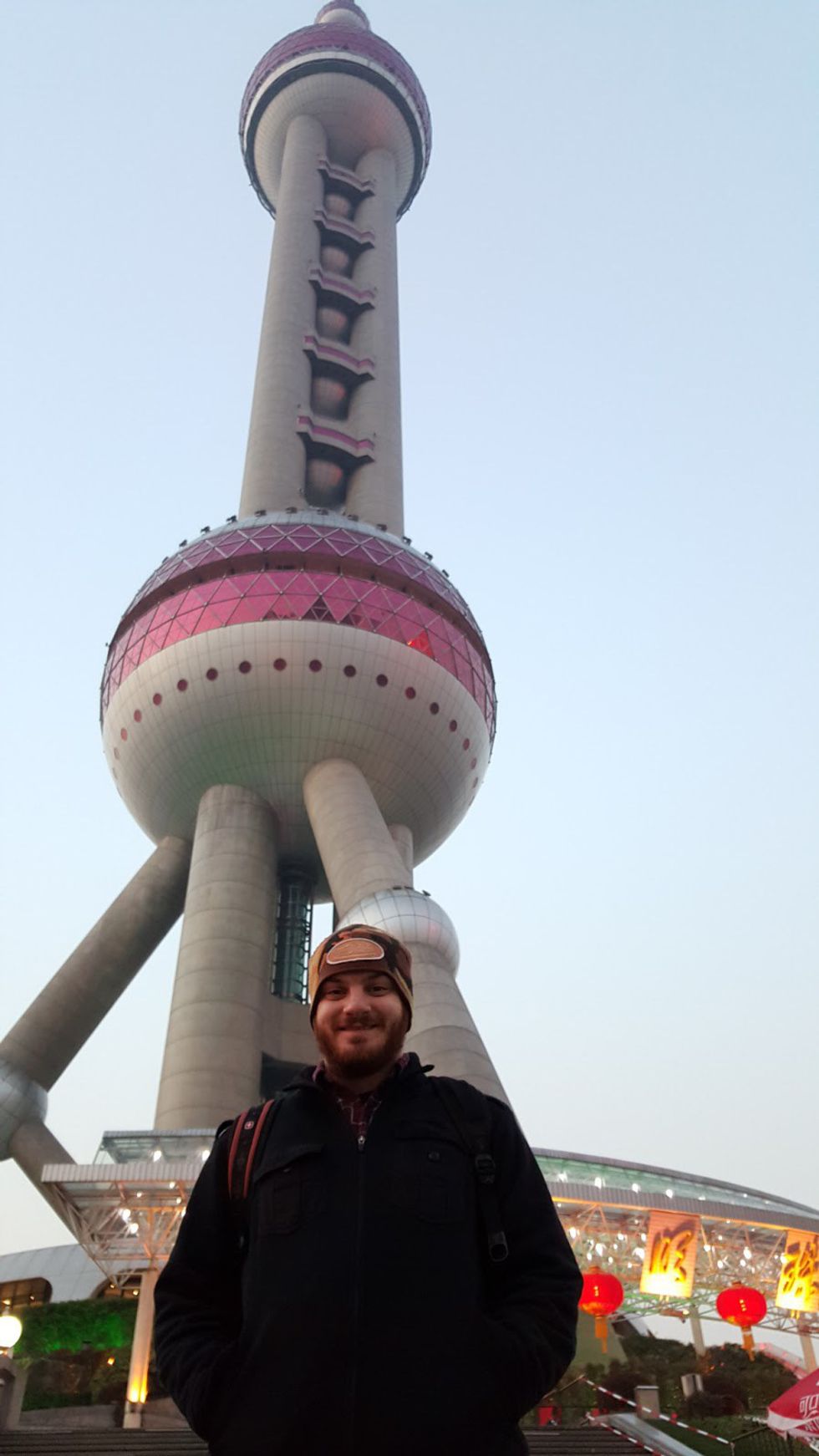
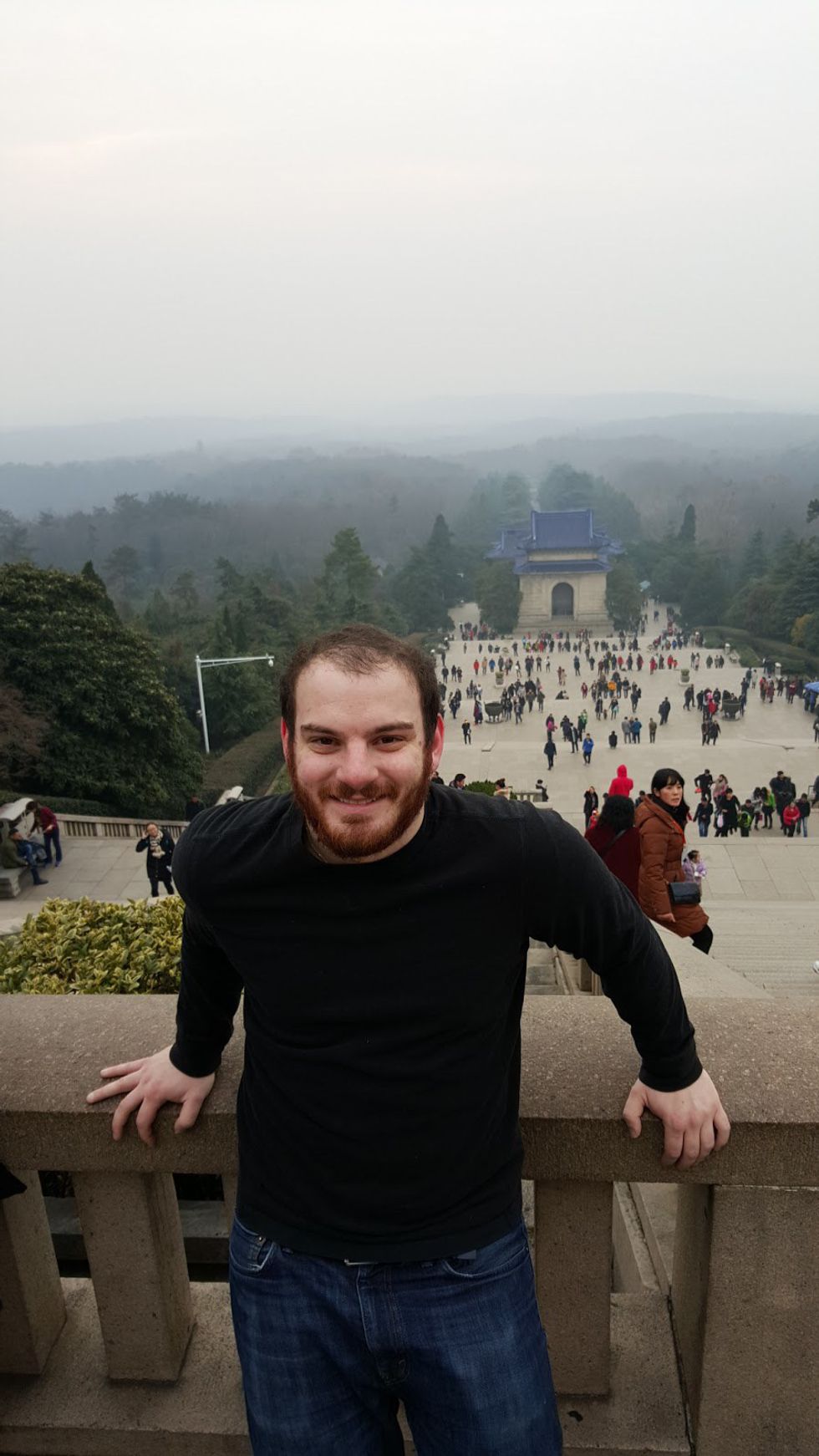
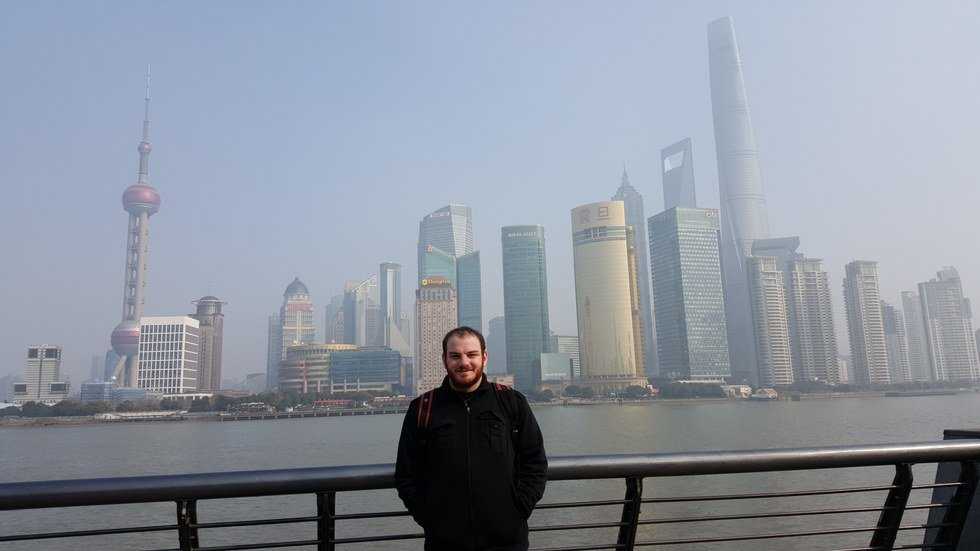
This scenario is far from the average college student’s daily life, both figuratively and literally. This scenario is one of the daily life of a college student studying abroad. It is what my daily life was like this past winter break when I spent three weeks studying abroad in Shanghai.
While this article may seem like a complete advertisement to study abroad, the actual reason for writing this article is to share what I learned by studying abroad that can be applied to any location. Study your major in a different setting and from a different perspective. Every place has some feature that can enhance your studies within your major.
For example, you might want to study Art History in Paris, British Literature or Economics in London, Business in Tokyo, Arabic in Morocco, Service Learning in Malawi or Peru, Global History in Istanbul, Ecology in Costa Rica, or Local Government in Shanghai.
Become more interculturally knowledgeable Living and immersing oneself in a completely different setting allows for learning of the culture and society of that region of the world. It becomes very obvious very quickly that people see almost every aspect of life differently depending on where you are. Learn a new language This might be the hardest thing to do besides dealing with any culture shock.
However, learning a new language can help tremendously not just with the appreciation of the language and culture learned, but with your own set of skills in the future that can lead to advancements in your profession.
Learning the languages that billions of people know, such as Spanish, Mandarin, or Arabic, can greatly advance the communication aspect of your career. If that doesn’t convince you, think of how much further international students will advance in their careers by learning English and studying in the United States.
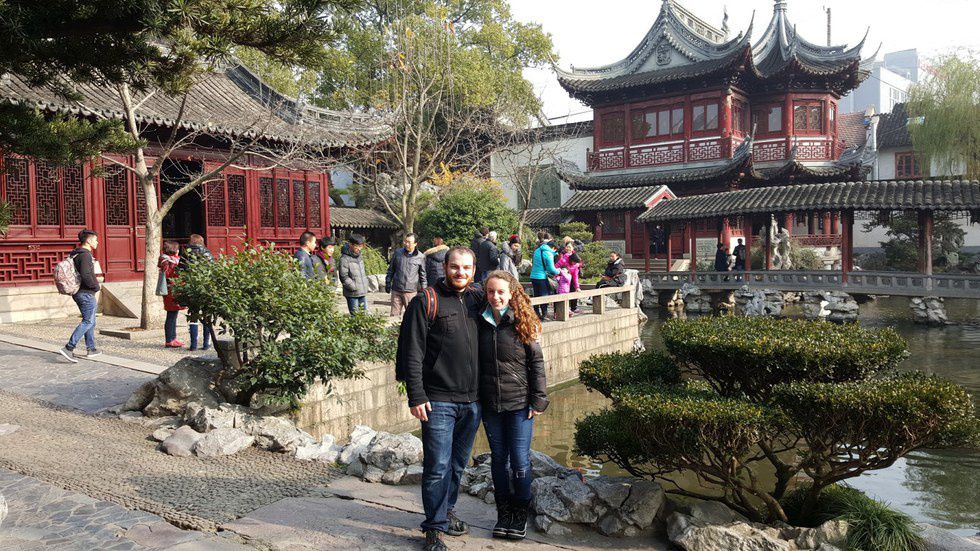
Learn about a different part of the world, and apply that knowledge as soon as you step out of the classroom. The language and culture that you learn and discuss within the classroom portion of your experience will be very applicable once you step out of the classroom. Besides on-the-job learning or internships, this is one of the few possibilities in life for which this is possible.
Learn how to live on your own all over again, but with a twist. It may have been an easy transition from high school home life to the college campus life. However, try transitioning to a college life with a huge language and cultural barrier between you and your surrounding.
You have to learn how to take care of yourself in a whole new way than being able to go down to the dining hall and know what the food is, or having the local dominos pizza on speed dial. Food, medicine, entertainment and transportation, are just a few aspects of life that will have to be adjusted. However, this adjustment will be valuable in teaching you how to adjust later on in life to rapid and huge changes.
Cross an international location off your bucket list
One day, whether it be five, ten, or forty years from now, you may eventually regret not studying abroad. The opportunity to travel somewhere and make the most out of learning about it is now. There will be much fewer opportunities after college.
Personally, I regret not looking into more study abroad opportunities in my undergraduate years. I am so thankful that I was able to go and study Shanghai, and I now know that if there was another opportunity to study in China that I would immediately take it.
My lesson for the reader is this: you have the opportunity right now to travel and study abroad. You also do not know what the future holds and if you will even have the time to travel later on in life. It may sound corny, and it may also sound like another advertisement, but I was not interested in studying abroad at all in my undergraduate years.
I am thankful that I received the opportunity to study abroad as a graduate student, and part of me regrets not looking into more opportunities as an undergraduate.