The music industry is an ever-changing and growing organization in terms of media, entertainment and performing arts in the United States. However, over the past few years, it seems that digitization has taken the entire business by storm -- and its effects are more harmful than we care to consider.
The accessibility of searching for and listening to millions of songs and albums on music streaming services is truly remarkable for users, whether they choose to listen for free with occasional ads or if they pay monthly for an ad-free, unlimited music listening experience. Those involved with either type of account have and will continue turning to these programs, such as Spotify and Apple Music, and always take them for granted in order to avoid purchasing music on their own. Their actions conclude that streaming services have increasingly been seen as the simple definition of music digitization because it is such an efficient and reliable source for any music fan’s use. Today's young generation is prepared to pay subscriptions for mobile phones, broadband, pay-TV, and other TV streaming services, such as Netflix and Hulu, so they think to themselves, "Why not music?"
Although Spotify is generally a hopeful service, the issue that lies ahead is understanding and considering how streaming services affect musicians and record labels in the industry in the long run. Even today, there are scattered debates and doubts on whether streaming can accomplish the challenge of generating enough money to keep musicians' careers at a steady and smooth pace with their labels. It would be nothing short of a disappointment to listeners if the handy applications declined and failed, but for artists, it may not be the worst thing because they'd be making a profit through other secure ways.
You'd think that the prices of physical CD copies and music downloading services such as iTunes, Google Play, and Amazon Music, would decrease even just a little bit to grab the attention of those who are stream-crazy (with the purpose of making higher profits), but they've done just the opposite -- they've skyrocketed! Remember the good old days of only having to pay ninety-nine cents for a single song from iTunes? Yeah, me neither, because that seems like it was happening almost a decade ago. Music fans have recognized that purchasing music has become more expensive. Therefore, they settle with easy-access streaming services, even if it means that their actions will end up hurting the artists they cherish and love.
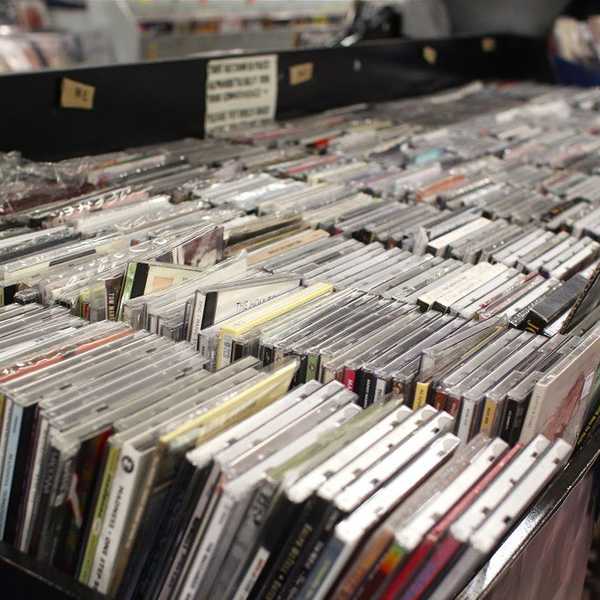
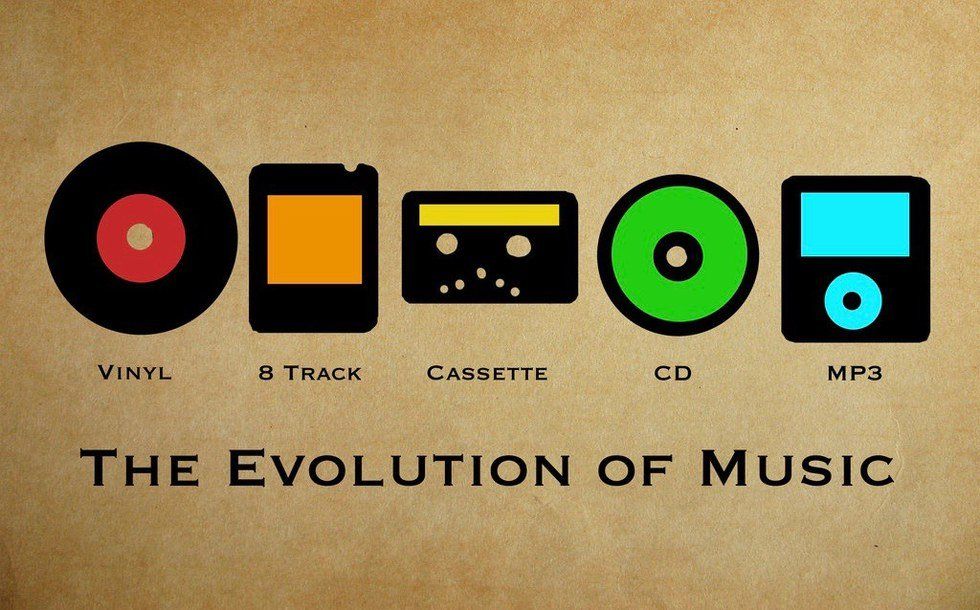
The point I'm trying to make here is that we are accessing music in ways that are potentially harmful to musicians, not in forms that are beneficial. A single track written and performed by any musician must be played on Spotify over one million times for the artist to obtain a little over a thousand dollars in revenue (after the money is split with his / her record label) -- yes, you read that correctly. Over one million times! Each time the song is played, artists only receive around 10 cents. Meanwhile, musicians will make an average of $3.00 per physical copy CD through retail merchandising. Digitization has indeed dominated the music industry over the last decade as CDs and vinyl sales have greatly declined, but it's up to us to change this matter. If you're openly passionate and have high respect for a particular artist's work, make it known and pick up a CD once in a while! Trust me, you'll thank yourself later.
For more information regarding this issue, check out this article on The Guardian.






 man running in forestPhoto by