
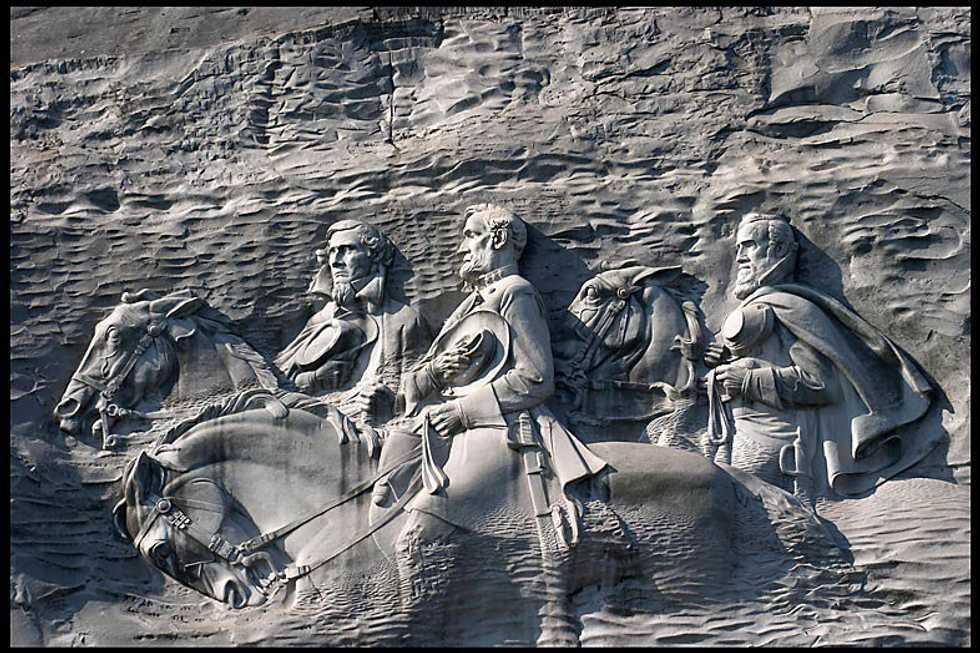
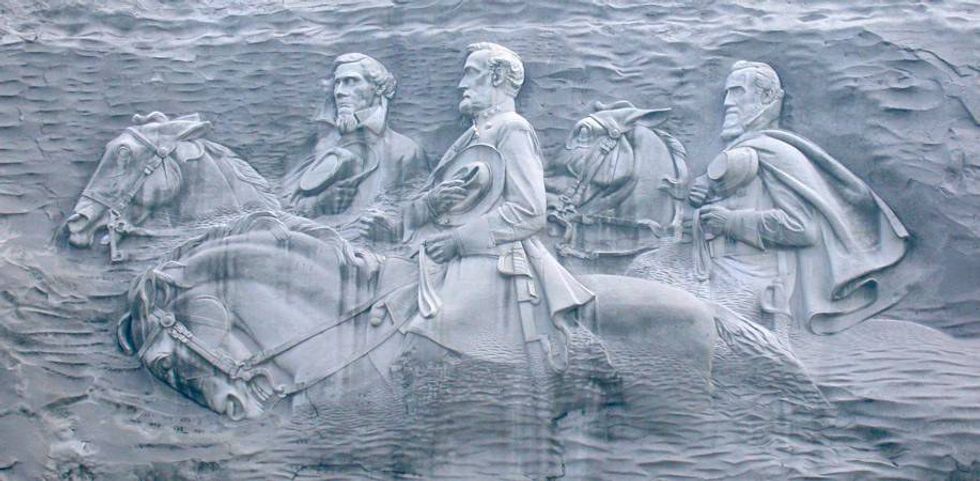
On March 3, 1972, nearly 49 years after the first attempt of carving, and three sculptors later, the Stone Mountain Carving was completed. Sixty years earlier, Helen Plane, member of the Daughters of the Confederacy, was the first person to mention and take a notion to create the memorial. This memorial carving features three Confederate figures from the Civil War: President Jefferson Davis and Generals Robert E. Lee and Thomas J. "Stonewall" Jackson, on their favorite horses going by the names of "Blackjack," "Traveler," and "Little Sorrel." This carving is the largest high-relief sculpture in the world; it towers 400 feet above the earth, and measures 90 feet by 190 feet. The memorial is said to be as detailed as a fine painting in all aspects including eyebrows, fingers, buckles, and even strands of hair.
Stone Mountain State Park has become a family attraction over the years. Some of the best memories I have with my family are rooted in the summer laser shows, exploring the museum, Memorial Hall, and riding the monorail to the top of the mountain (even though I'm terrified of heights). While visiting the park, I would often get the history lesson of the Civil War. I was taught that the Civil War was fought over state's rights, nothing more.
As of July 14, the Atlanta branch of the NAACP is fighting for the removal of all Confederate symbols from Stone Mountain Park, which would also mean getting rid of all of the South’s artifacts from the Civil War museum, Memorial Hall. Richard Rose, president of this chapter, has been quoted saying, “That carving is a great piece of art, but it was commissioned out of hate and white supremacy.”
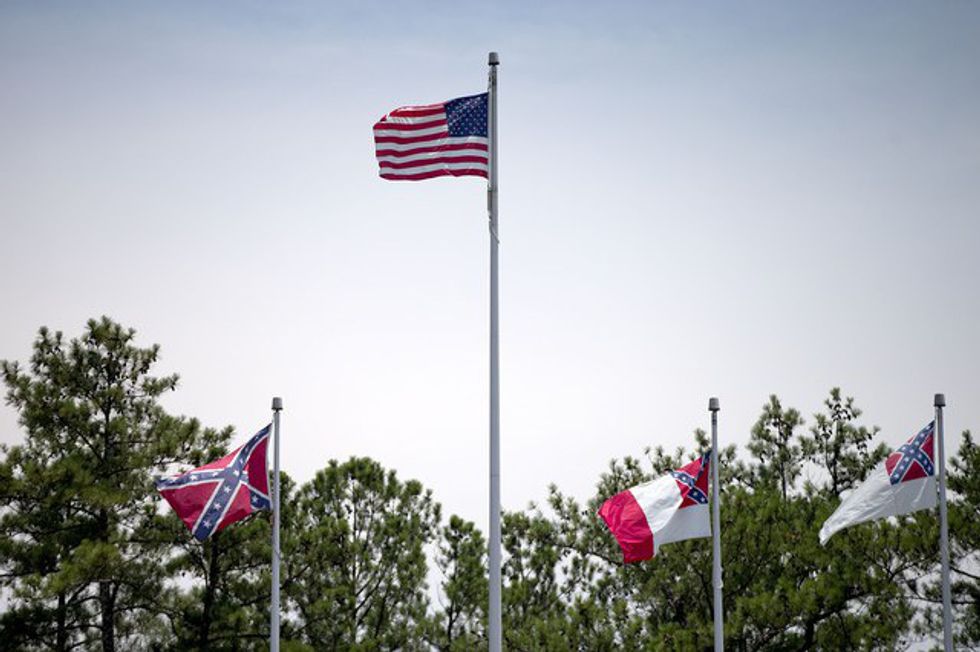
John Bankhead, spokesman for the Stone Mountain Memorial Association, says that the park is not being supported by tax dollars, and that all upkeep and operations are paid for by the park’s revenue. Bankhead also says that there is, in fact, a Confederate battle flag flying high at the park as well. The park is a memorial, therefore the SMMA feels that it shouldn’t be removed.
Rose responded to this by saying that the park is like a museum, supporting what the Confederacy stood for. He also said that the accompanying museum offers what he calls, “false history.” He says that the museum is diminishing slavery’s role in the Civil War, and that by claiming that the war was fought over states’ rights is “fallacious.”
While slavery was common in the South, and it was a right the states thought they should have the right to decide on; it doesn't mean that every Confederate monument is somehow meant in support of any type of slavery or supremacy by any means. As a matter of fact, when Abraham Lincoln put the Emancipation Proclamation in effect on January 1, 1863, it declared that all persons held as slaves within the REBEL states are to be freed. The REBEL states, meaning the South's slaves... but what about the slaves in the North? Nobody ever hears that side of the story.
In the end, the men and women of this country are not responsible for the things that happened so long ago, and as Americans, all of us, regardless of skin color, are affected by prejudice at some point in our lives.
The Civil War happened; there's nothing that can change that. Slavery was real, I repeat -- there's nothing that can change that. It's history, it's in hindsight, and as long as organizations like the NAACP continue to tell the people of this great country that the history of this country is “false,” then we, as Americans, will continue to suffer, as the media loves nothing more than to promote hate among the citizens of this country.
To Southerners like me, the Confederate monuments represent the strength of the south. The South rose against the Union against all expectations; they may have been defeated in battle, at times, and they may have lost the war in the end, but what matters is the courage, the determination that these people had. Though the Confederacy was vastly outnumbered, untrained, and under armed in comparison to the Union, the soldiers still stood up for their homeland, and their rights, against the North’s aggression, ridiculous taxes, control of territories, and the North’s desire of the South’s resources. The Confederacy was fighting for the rights of individual states, freedom of religious beliefs, and agreement in cultural differences.
Whether you're yellow, red, black, pink, white, green, or even purple in skin color, if you're a Southerner, you have so much to be proud of -- and if you're not, well, I'm willing to bet your name is on some petition somewhere ready to destroy memorials that are a part of the South's history.