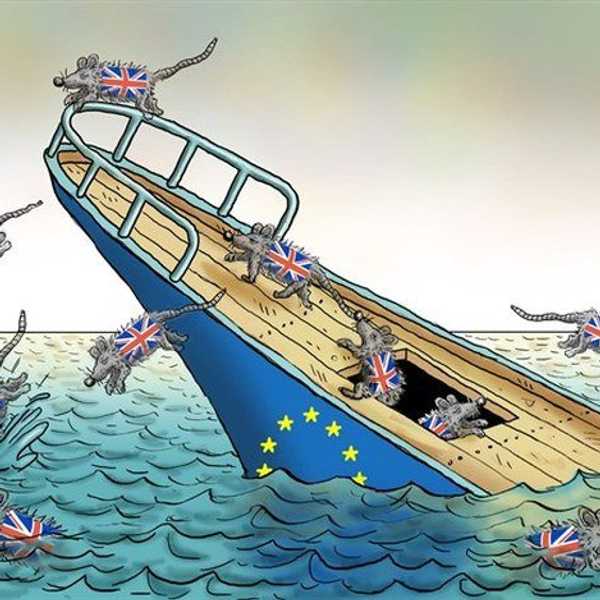
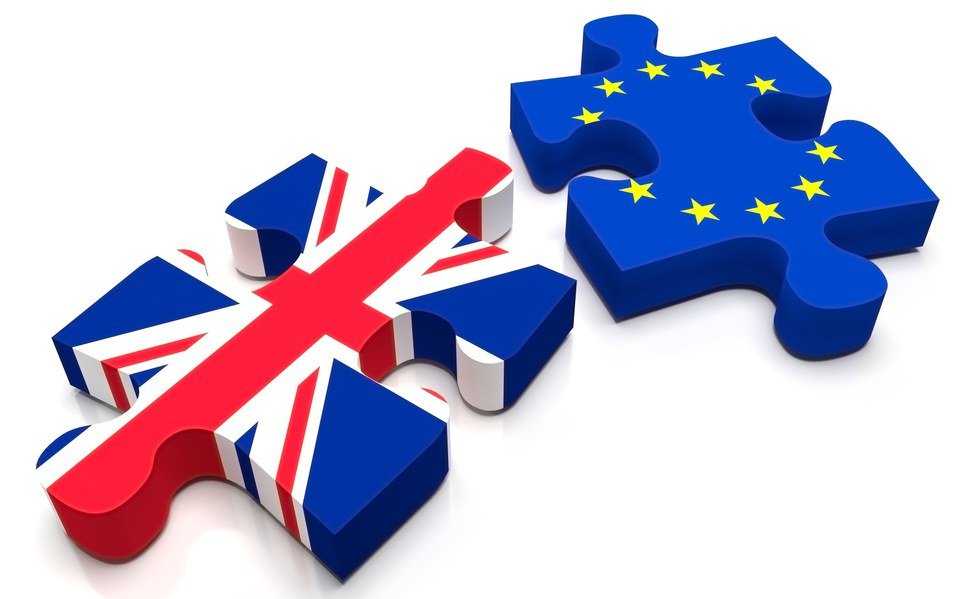
I had heard little information leading up to Britain’s vote to leave the European Union until I was watching the voting results live feed online. As I began my search for answers, I found many other people were just as confused about why the vote had even occurred. The country was divided almost perfectly in the final Brexit (Britain's exit) results, the vote to leave winning by approximately 2 percent. The results came as a shock to many, especially those who feel as though splitting from the EU means certain economic disaster for Britain.
There were many important issues debated over when attempting to sway voters one way or another. Being a member of the European Union meant the country paid into their membership via taxes and dues, and had to adhere to restrictions and union laws. This includes everything from labor laws to border controls, which are hot topics in Europe right now. Being a member also guaranteed free trade amongst other members in the Union, which is comprised of 27 other countries and 53 states. The EU makes up the largest single market in the world, so access is crucial. It also provides the unified backing of other nations in times of crisis.
England relies largely on exports for economic prosperity, and EU membership allows them unrestricted access to all members. Once Britain leaves, they will need to negotiate trading terms with every single nation and state they wish to conduct business with. The terms may not be as mutually beneficial as they currently are, because leaving the union forfeits much of Britain’s global power. Britain could face tariffs from other countries accepting the imported goods as well as additional barriers allowing their current level of access to the crucial market.
Under EU law, Europeans are able to travel, work, and live freely in all membering nations. Approximately 3 million Europeans (referring to those not native to Britain) call Britain home currently, and this leave opens potential that these 3 million would be forced to vacate their jobs and homes, and move elsewhere in Europe or return to native countries. A convincing argument for the leavers was to stop the amount of immigration the country currently faces, especially from Turkey, but the issues the argument was based on were exaggerated and false. Turks contribute more to the fund that provides welfare to people as opposed to drawing benefits from it. Leavers believe tightening their borders is in the best interest of the nation, but union membership prohibits this practice. Currently members must be willing to accept immigrants and now the refugee issue spirals mixed opinions as well.
The economic implications for Britain are dangerous now as they must carefully strategize an exit that will only have short-term negative consequences, as these consequences are unavoidable. The value of the pound will likely drop again, as it did after the announcement, though it has since regained value. Foreign investment may cease, which affects the stock market and thus pension funds, capital spending, and general investments of the people. Foreign companies operating in Britain may chose to pull out in favor of remaining under EU business regulations and to not jeopardize potential business. All of these factors spell out recession, which leads to job loss, reduced consumer spending, and a drop in national wealth.
The big question now is why did they vote to leave? The leave campaign promised unrealistic results that in no way could have been guaranteed prior to the leave. Some who initially voted to leave are regretting their decision already, just weeks later. Though the situation is extremely delicate in Britain, the rest of the world may be unaffected by the leave. President Obama released a statement claiming Americans are unlikely to notice any repercussions from Brexit. Perhaps the biggest effect would come in financial terms. The pound will likely continue to be devalued against the dollar, increasing the spending ability of Americans in England.
For now, all the world can do is wait and watch as Britain’s leaders compile a plan for exit that will accomplish the intended goals associated with leaving the EU without destroying the nation’s well-being. As more research is compiled and the truth about the leave campaign becomes more apparent, it is clear that Brexit may be a catastrophic move for Britain. There are many steps that must take place before Britain does officially exit. A vote will be conducted by higher ranking political officials, called MPs, that could actually reverse the people’s vote, though unlikely at this point. Once Britain is ready to officially start the process of leaving, they will invoke Article 50 of the Lisbon treaty, which gives them two years to prepare as much as possible through negotiations and forming relations to officially break without plunging Britain into economic disaster.