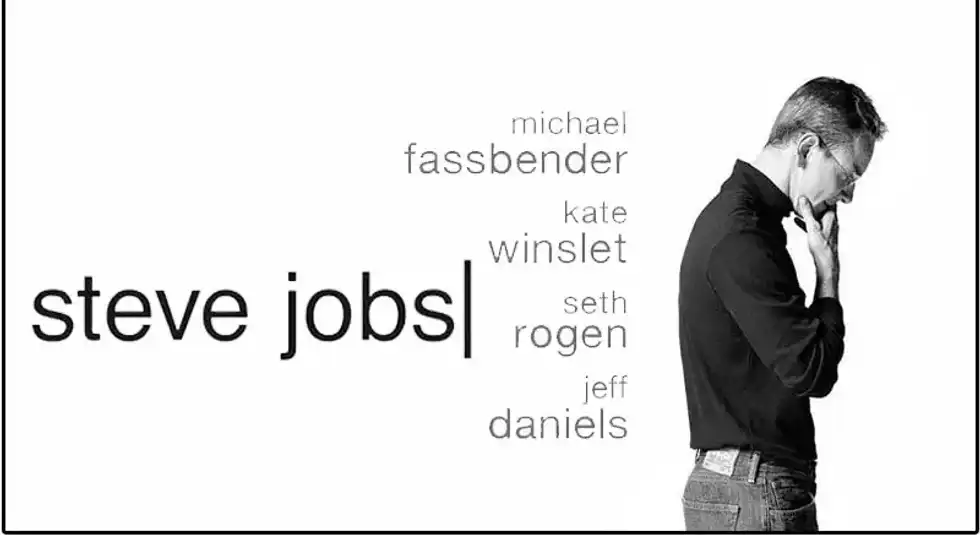
In the new film "Steve Jobs," Danny Boyle and Aaron Sorkin team up to bring to life the powerful mastermind behind one of the world’s largest tech companies, Apple.
The story centers on the titular character backstage at three different product launches at Apple which include the 1984 launch of the Apple Macintosh, the 1988 launch of the “NeXT” computer, and finally the 1998 launch of the iMac in the final act. All the while, Jobs must keep a level head with the specific product launch while having to deal with his own family, friends, and co-workers, who are constantly asking for things from him at each launch.
Michael Fassbender does an excellent job of playing the part of the conceited and wonderfully brilliant co-founder of Apple, and Seth Rogan does a sufficient job of playing Woz, the other co-founder. Kate Winslet delivers a powerful performance as the charming yet tough marketing executive of Apple and NeXT. Jeff Daniels gives another great Sorkin-esque performance that we’ve seen time and time again, especially on "The Newsroom."
This film was absolutely wonderful and keeps you entertained the whole time. The perfect three act structure allows for the audience to keep their attention focused on the film the whole time because by the time that the film is getting close to a boring slide, the movie fast-forwards a few years and the attention span is rejuvenated.
Another great part about this film is the medium on which it was shot which all cinephiles will appreciate. In keeping true with its intention to look like the year in which it is suppose to be, each year and each act is shot on a different type of film stock or medium altogether. The acts are filmed on 16mm, 35mm, and digital, respectively, and it gives the film an extra push to make it seem more biographical and authentic than it would have been had it been shot all on the same medium.
In the story, Sorkin is aiming more for narrative than he is for accuracy. For example, the overarching story line of Job's daughter at all of Apple’s product launch events: the validity of this has in fact been called into question by many critics. Sorkin milks this idea of Jobs being a terrible father and he cashes in on it at the end. Sorkin also uses indoor/outdoor settings to his advantage: Jobs stays inside throughout the whole movie, even when he is inside the garage with Woz, and it serves as a symbol for how Jobs only thinks inside the box about his daughter and former co-workers. However, the first time that Jobs goes outside is when he realizes that he needs to be a better father to his daughter, Lisa, thus opening his mind to new ideas.
I really enjoyed this film. Now, don’t let the subject of the movie scare you, especially if you saw the "Jobs" film of 2013. This new film actually has a great cast, writer, and a sufficient director — which the previous one did not.
Be on the lookout for Michael Fassbender to be nominated for, and likely win, the Oscar for Best Actor in a Leading Role. He is my early pick for that specific Academy Award. Also be prepared to see Sorkin's name too in in the Best Adapted Screenplay category.
GRADE: A+